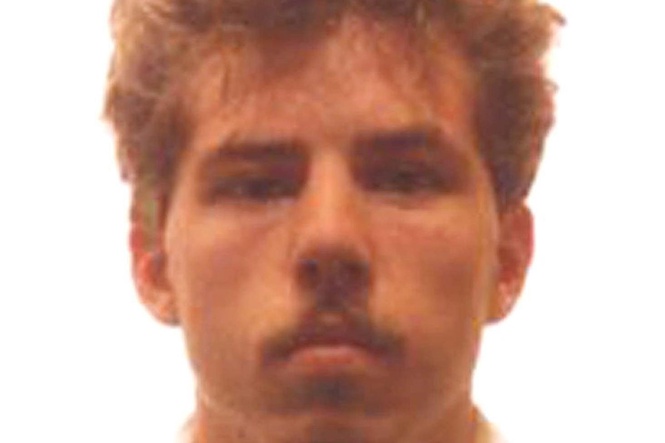
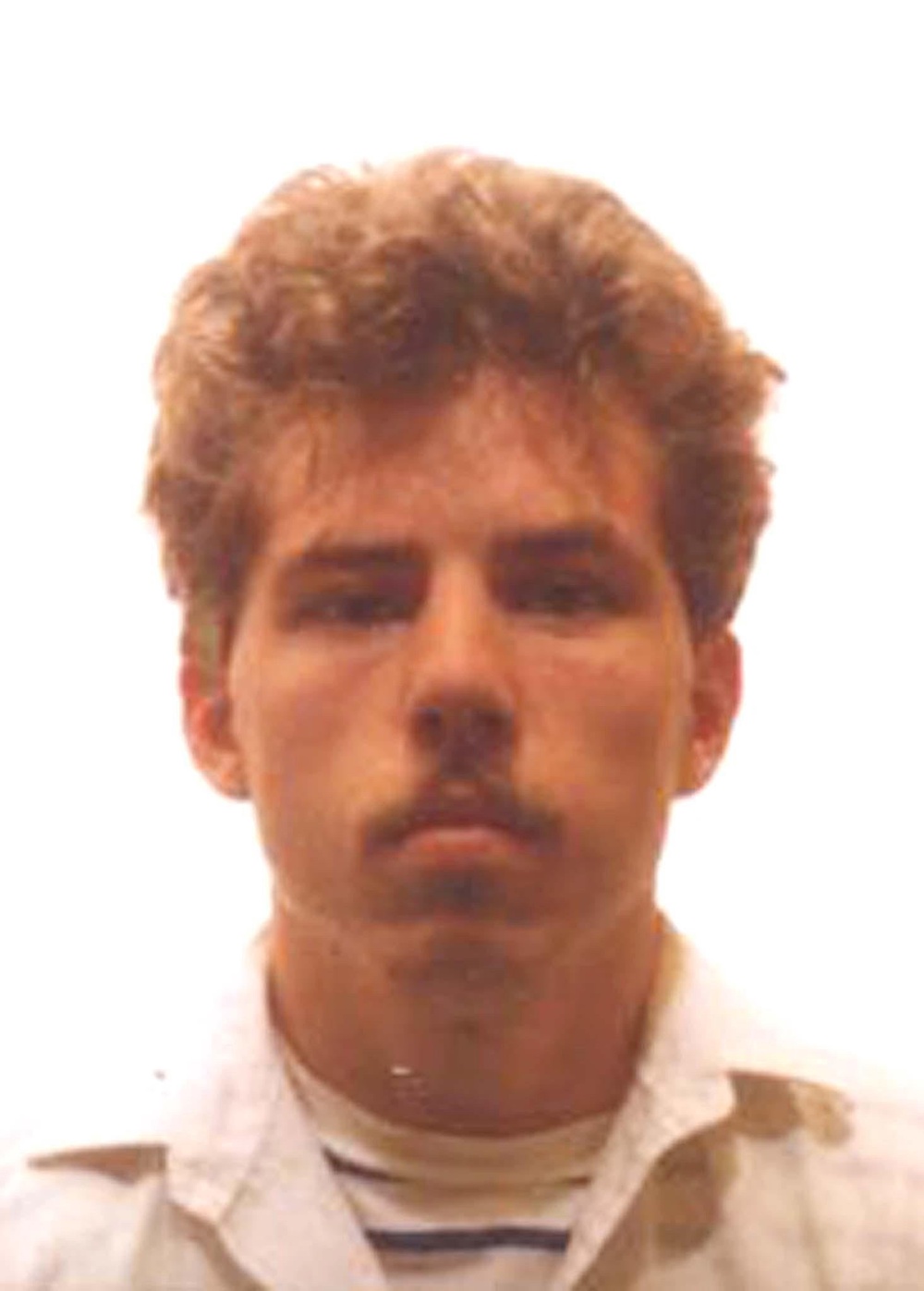
The first murderer imprisoned following an historic reform to the 800-year-old double jeopardy law has told a parole hearing he believes he would have committed further killings or severe acts of violence had he remained free, but claimed today "I totally get" the pain endured by his victim's family.
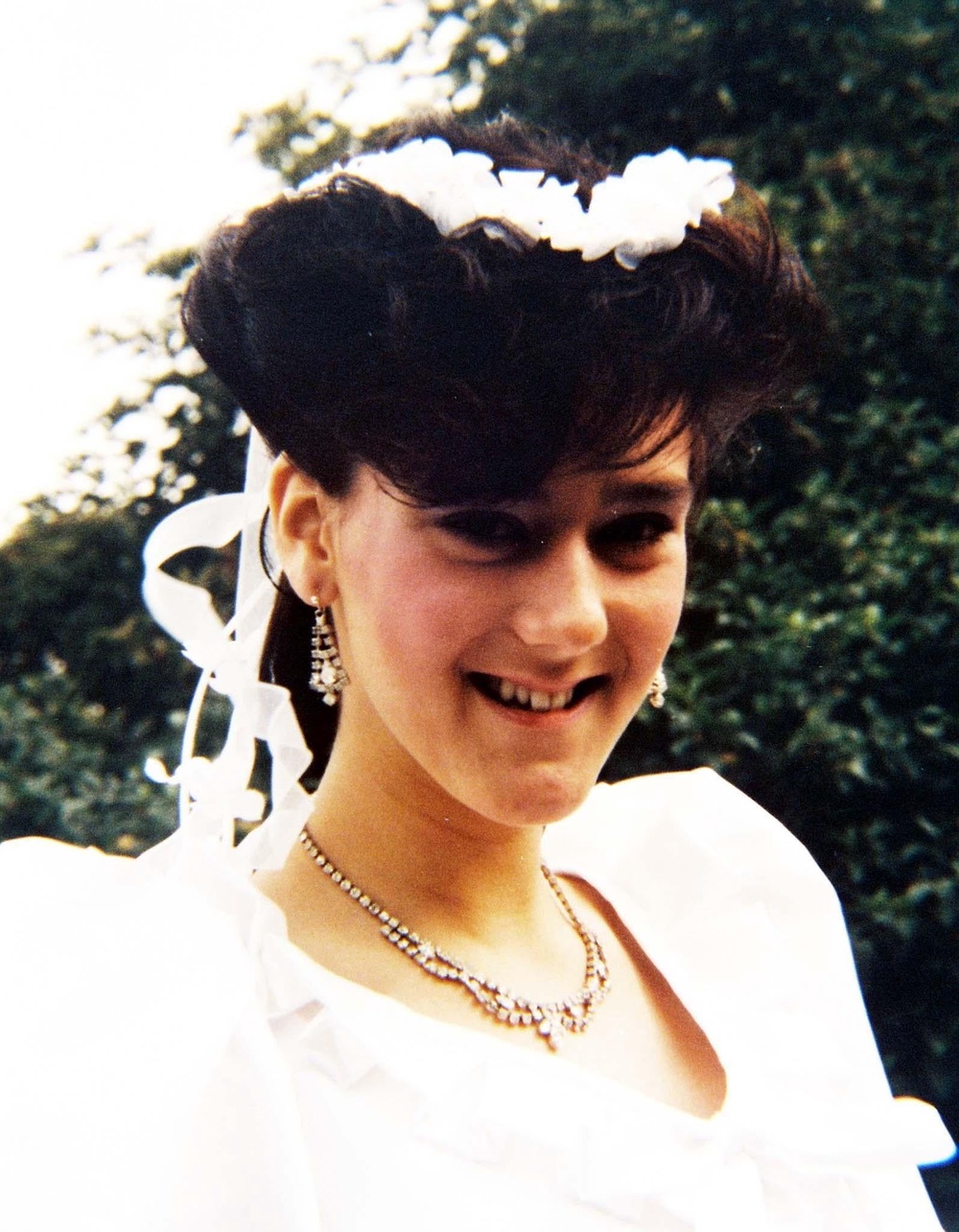
William Dunlop, who is now aged 63, strangled 22-year-old Julie Hogg at Billingham in County Durham in 1989, before hiding her mutilated corpse behind a bath panel inside the property.
Miss Hogg’s mother, Ann Ming, eventually discovered her daughter's body at the location more than two months after the murder took place.
The victim, a delivery driver for a pizza company and mother to a three-year-old boy at the time, was subjected by her killer to a violent sexual assault after rejecting his advances, in an attack described by prosecutors as "premeditated and truly horrendous".
On Wednesday, Dunlop formally began his fourth application to secure his release from custody, with the parole panel also considering whether to authorize his transfer to another detention facility.
The panel was informed that although the Parole Board has on multiple occasions recommended moving Dunlop to an open prison, three separate justice secretaries have stepped in to block the move.
Miss Hogg’s son Kevin recounted the traumatic impact on his childhood, describing "hearing screaming and shouting in the home with the pungent smell of my mother’s decomposing body" when his grandmother unearthed the victim's remains.
In an opening address at the review of Dunlop’s case, he stated: "I can say categorically that time isn’t the great healer it’s purported to be.
"As the years pass, the pain of losing my mother to this murder remains acute."
He outlined the widespread emotional and life distress caused to himself and his relatives, noting severe ongoing health problems and relationship difficulties, alongside a situation where "joy or even just cheeriness" was in "short supply".
Following that statement, Dunlop, whom psychiatric assessments previously noted had displayed "psychopathic traits" together with "severe personality problems", addressed the panel: "With my significant bereavement that I had, I can empathise with them (the family).
"I get it now. I totally get it now. I was struggling when (Mr Hogg) was talking about it, from what it was bringing back for me."
The hearing was subsequently told that Dunlop's recent bereavement involved the death of his own son.
Dunlop stated that "if I think about my significant other, I think about Julie" and remarked that "this is going to be the most difficult parole hearing I have been in".
He continued: "I can’t understand (Mrs Ming) finding her daughter, that I struggle with, but I relate to the loss now, the not knowing – I get that, I really do."
The convicted killer said he had received only "snippets of information" regarding his son during his time serving his prison sentence.
Following a personal request made by Dunlop not to be seen, the offender gave evidence facing away from the camera, which was live-streaming the hearing from an undisclosed prison to a separate room occupied by Miss Hogg’s family.
Dunlop, who went by the nickname Billy, was tried on two separate occasions for the murder, but both juries were unable to deliver a verdict.
Three years later, while incarcerated for a separate offence, he he confessed and admitted lying in court, boasting there was nothing anyone could do about it because of the double jeopardy rule in place at the time.
Miss Hogg’s relatives, led by her mother, subsequently conducted a 15-year campaign seeking changes to the law so that an individual could be tried twice for the same crime, leading to Dunlop becoming in 2006 the first person to face trial under the newly amended legal framework.
He was convicted of murder and handed a sentence of life imprisonment.
When panel member Zaiada Bibi asked Dunlop whether he harboured any regrets over making his confession, he replied: "No, no, without a doubt, no.
"I think I said this at the last parole that I thanked Mrs Ming for doing it because I’ve not hurt anybody else – by me being in prison all this time I’ve not hurt anybody."
In response to a question on whether he believed he would have gone on to carry out another murder or commit serious violence, he answered: "I would say yes because that’s what my life was."
Dunlop explained that he began resorting to violent behaviour at seven or eight years of age after being "taught that’s how you got respect", adding that this conduct formed his core "identity" until approximately 10 years ago.
He admitted that he had intended to end Miss Hogg’s life, explaining that "you cannot strangle somebody and think you’re not going to do that".
The murder, he explained, was driven by a sense of "entitlement and also the rejection, because I’ve never handled rejection very well at all".
Asked by the panel to explain what he felt entitled to receive, Dunlop answered: "Respect. ‘You should respect me’ was one of my unwritten rules."
He acknowledged that he experienced "Euphoric feelings" lasting for up to 30 seconds immediately after realizing Miss Hogg was dead.
He explained that this euphoria stemmed from "the power it gave us because I’ve always felt insecure".
Dunlop said he subsequently began to panic, adding: "I just thought ‘what have I done, what am I gonna do’, and I just thought ‘I can’t get caught for this'".
The panel asked whether he had reflected on how his actions affected the victim’s family prior to attending the current parole hearing.
Dunlop replied: "I did think about them and the effect it would have on them, however it was all about me and I just suppressed what I felt.
"I just pushed it to one side and I had seen them on the telly, Ann and Kevin, when she was missing and I either turned it over or the turned volume off because I couldn’t – it was all about me, it wasn’t about them, it was survival."
Dunlop went on to say he would not have confessed if the double jeopardy law was not in place.
"I would have tried to carry on suppressing it," he stated.
Describing his mindset and character at the time of the fatal attack, he concluded: "I was just a selfish individual who just thought about myself, who didn’t a lot of the time think about others – it was all about my needs, it was all about what I needed."