_1652931074_9592.jpg)
From Sewing Machines to the “Most Important Car on Earth”: This Is The Legendary History of Wuling, According to Wuling.
For many Malaysians, the name Wuling has become increasingly familiar as Edaran Tan Chong Motors ramps up their marketing efforts with the TQ Wuling Bingo. But long before it became a modern carmaker, Wuling’s journey began in a humble machinery plant in Guangxi, China.
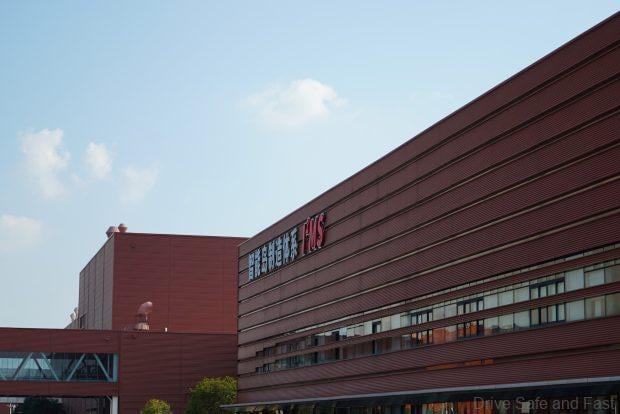
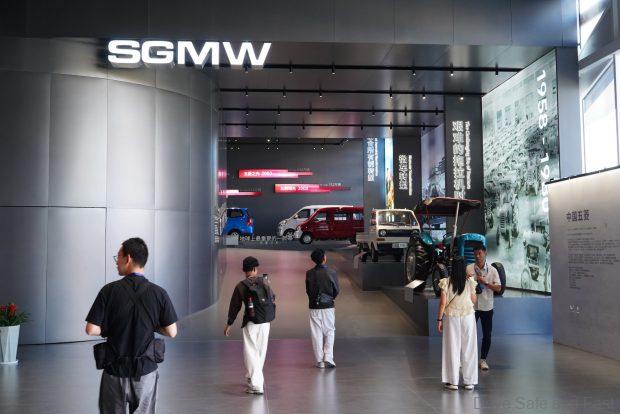
Unlike many modern New Energy Vehicle (NEV) brands with recent roots in big ‘Tier 1’ cities, Wuling has loads of history with decades of experience and origins in a more remote ‘Tier 3’ city. We are at their museum in Liuzhou to learn more about this brand’s journey.
What was immediately clear to us was that Wuling’s branding was very much grounded in the necessary, and that’s cemented in their tagline: “Wuling Builds What The People Need”. It’s a historical story of survival, reinvention, and resilience. Here’s the history of Wuling in a nutshell.
1958–1978: The Tractor Era and Industrial Beginnings
The story began on October 28, 1958, with the groundbreaking of the Liuzhou Power Machinery Plant after Chairman Mao’s visit to the area. “Guangxi’s industrial development is slow and must be accelerated!”, he’s reported to have said early in 1958 before the area’s industrialization began. The plant initially focused on power machinery like marine diesel engines.
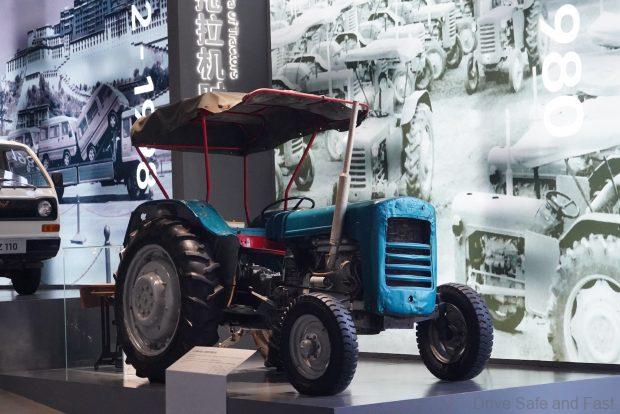
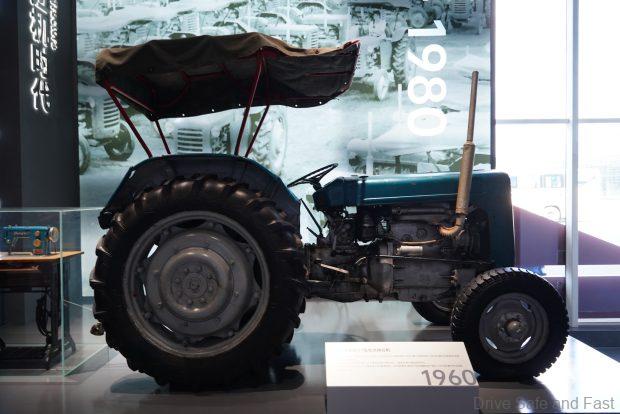
By 1960, a strategic shift saw the factory pivot to agricultural needs, successfully trial-producing the “Harvest” brand Type 37 tractor. Interestingly, Wuling is one of three car brands known for roots in tractors, the other two being Porsche and Lamborghini. Officially renamed the Liuzhou Tractor Plant in 1966, the factory experienced massive growth. By 1978, it had established a capacity of 5,000 units per year, solidifying its place as one of the eight major tractor factories in China.
1980s: The Pivot to Sewing Machines and the Birth of “Wuling”
In the late 1970s, national institutional reforms hit the factory hard. Left with over 1,700 unsold tractors and facing a severe survival crisis, the enterprise had to adapt or perish.
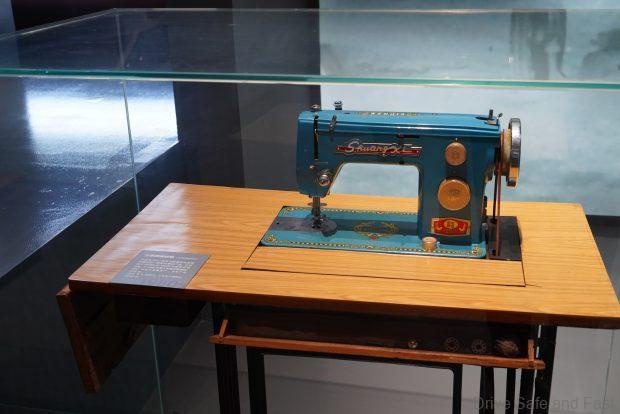
To stay afloat, the factory resourcefully used its machinery to build consumer goods that people desperately needed at the time:
- The Wanjia Brand Sewing Machine: Developed in late 1980, this multi-functional sewing machine became a vital lifeline, with over 26,000 units produced over four years.
- Automatic Looms: The factory manufactured automatic shuttle-changing cotton looms alongside household items to sustain operations.
While sewing machines kept the lights on, the factory set its sights on a bigger goal: micro-vehicles. The local government approved the transition, and the iconic Wuling brand was officially established, marking its debut in the automotive industry.
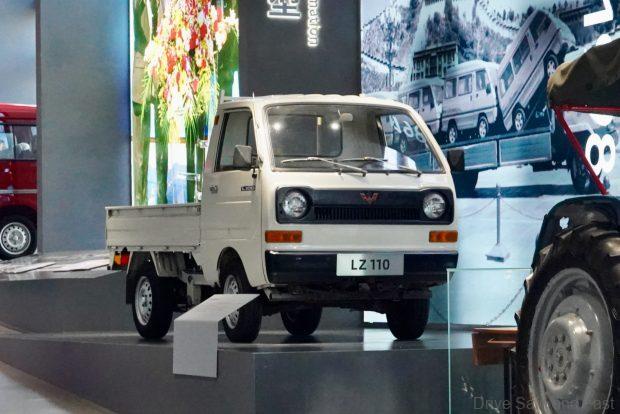
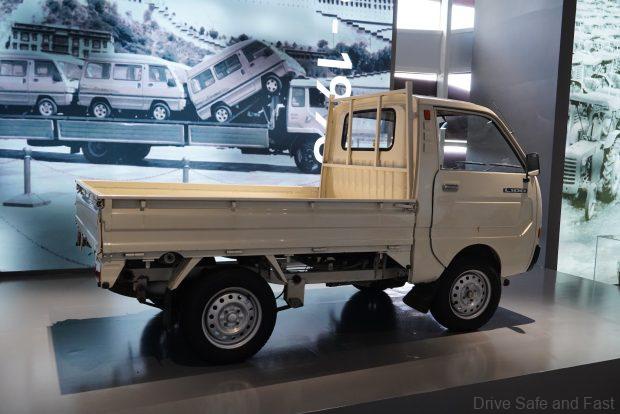
Vehicles like the LZ 110 were based on a licensed 3rd generation Mitsubishi Minicab design and featured a range of variants including passenger van, delivery van, and pick-up truck here as pictured. Later in the model’s production, the red Wuling logo appeared – a stylized red W made out of 5 diamonds, a loose reference to Mitsubishi’s 3 diamond logo.
1990s–2000s: Becoming China’s Industry Leader
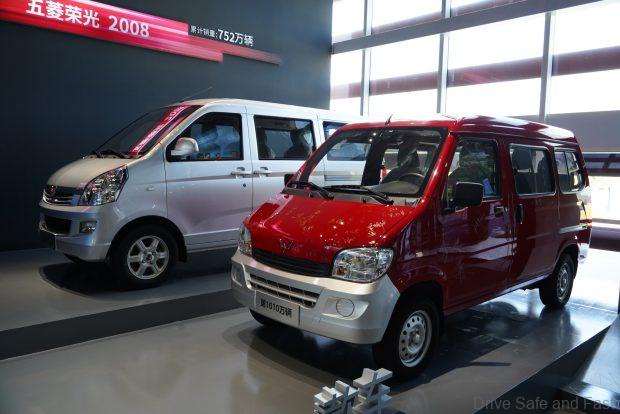
Wuling’s microvans like the famous Hongguang quickly gained traction for their utility and affordability. By 1998, Wuling made history by producing and selling over 100,000 microvans, a first for a domestic brand.
To break through development ceilings, Wuling made a bold strategic move in 2002, introducing SAIC Motor and General Motors as strategic partners. This birthed SAIC-GM-Wuling Automobile Co., Ltd. (SGMW), a highly successful Sino-foreign joint venture model that catapulted the brand onto the global stage.
The “Important Models” That Shook the Market
Following the joint venture, Wuling launched a series of legendary models that earned the nickname “Divine Cars” due to their astronomical sales figures:
| Model | Launch Year | Significance & Legacy |
|---|---|---|
| Wuling Sunshine | 2003 | Defined microvan safety standards. In 2010, it graced the cover of Forbes magazine, hailed as “The Most Important Car on Earth.” |
| Wuling Rongguang | 2008 | Ushered in the era of “large microvans,” achieving cumulative sales of over 4.35 million units. |
| Wuling Hongguang | 2010 | The ultimate legendary multi-purpose vehicle, contributing to tens of millions of cumulative brand sales across generations. |
By 2009, the company’s annual production and sales volume exceeded 1 million units, making it the first single automaker in China to achieve this milestone.
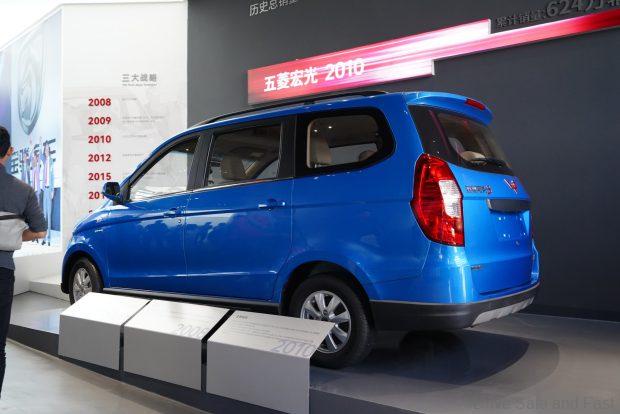
Wuling In The Last 2 Decades
In more recent years, Wuling has pivoted to making more upmarket New Energy Vehicles while still sticking to their roots in making cars that people need. In 2010, they introduced a new passenger car brand, Baojun. By 2015, Wuling’s production and sales volume exceeded 2 million vehicles. This was again ahead of any other Chinese brand, but there’s more to say about Wuling outside the scope of this article, so check back in for more.