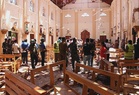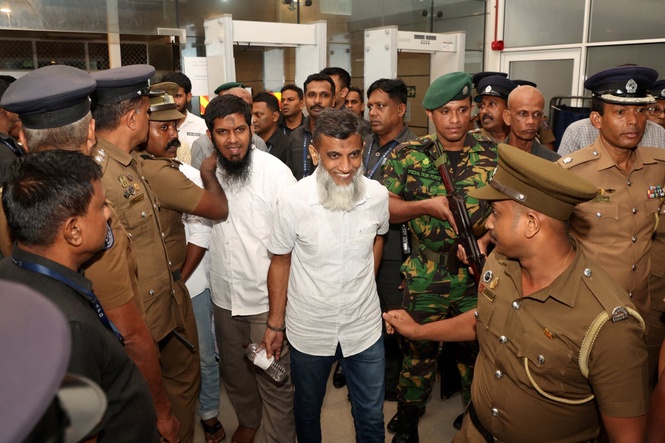
Sri Lanka's High Court on Tuesday concluded a five-year-long trial to sentence 15 men to 200 years in prison for orchestrating one of the deadliest attacks in the island nation's history.
The 21 April 2019 Easter Sunday bombings killed 279 people and left hundreds injured.
Eight Britons were among the 42 foreign nationals killed in co-ordinated attacks that targeted three churches, two Catholic and one Protestant, and three hotels across the country during the Easter celebrations.
The Catholic Church welcomed the sentencing of the 15 accused.
"Finally, we have justice," Catholic priest Jude Fernando told AFP news agency. "It has taken a long time to get to this point."
A three-judge bench on Tuesday found 14 of the accused guilty of all charges, including murder, conspiracy to commit terrorism, and possessing firearms and explosives. The 15th accused was found guilty on some of the charges, according to reports.
Mohamed Ibrahim Mohamed Naufer, whom the prosecutors billed as the mastermind of the suicide attacks, was among the 15 handed prison terms ranging from 200 to 260 years by the Colombo Permanent High Court Trial-at-Bar.
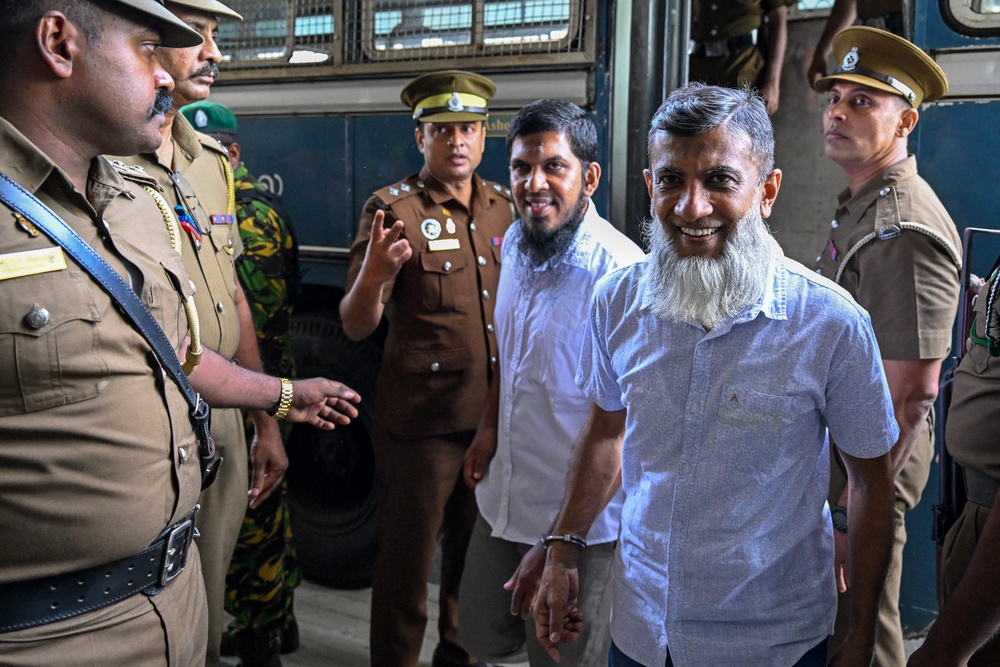
Nine other defendants were acquitted and released by the court.
Those freed tearfully hugged the rest as they were separated from those convicted, who were later invited to argue for lenient sentences.
The court ordered the properties and other assets of the defendants to be confiscated. The convicts were all from Sri Lanka’s minority Muslim community.
Two Sri Lanka-based Islamic militant groups were accused of carrying out the bombings, and none of those believed to have been directly involved are living.
In 2021, authorities filed 23,270 charges against 25 suspects whom they accused of planning or inspiring the attacks. The charges included murder, conspiracy to commit terrorism, and firearms and explosives offences under the Prevention of Terrorism Act.
In the courtroom, the accused appeared relaxed, chatting and laughing with each other during breaks. They asked for and were granted a prayer break during the lengthy reading of the judgment.
“What I did or didn’t do only God and I know,” said Mohamed Ibrahim Saadiq Abdulla, who was given 240 years in prison with hard labour. “In the end all people will be resurrected and God will judge everyone".
Five defendants were sentenced to 200 years each, five to 220 years, four to 240 years each and one to 260 years, based on their involvement in conspiring and aiding the attacks.
Survivor Teresa Fernando was at the court to "receive justice" on Tuesday. She said no one should have to endure what she had gone through. "We came here today as victims of this attack to receive justice," she told AFP before the judges pronounced the sentences. "Whatever the court says... we will bow our heads and accept it."
The verdict comes as a separate investigation into former intelligence chief Suresh Sallay is under way after allegations emerged that people within the Sri Lankan state may have had links with those responsible for the attacks. Sallay was arrested in February and denies all allegations.
In July, a former police chief and a former senior defence ministry official were also sentenced to death for failing to act promptly on foreign intelligence warnings of possible attacks.
Sri Lanka has not carried out an execution since 1976, meaning death sentences typically result in life imprisonment.
A parliamentary committee found that police and intelligence officials failed to act on repeated intelligence warnings of the attacks.
Sri Lanka's apex court in 2023 ordered former president Maithripala Sirisena to pay millions to the victims of the bombings in compensation after he was found responsible for national security failures that led to the attacks.
Former president Gotabaya Rajapaksa, who was elected to power just months after the attacks, denied allegations after a Channel 4 documentary heard whistleblower testimony claiming the attacks were allowed to happen to boost the popularity of the Rajapaksa family.
The Rajapaksa family, with its pro-nationalism politics, has long dominated Sri Lankan politics.
Read MoreControversial monk’s presidential pardon overturned by Sri Lanka’s top court