
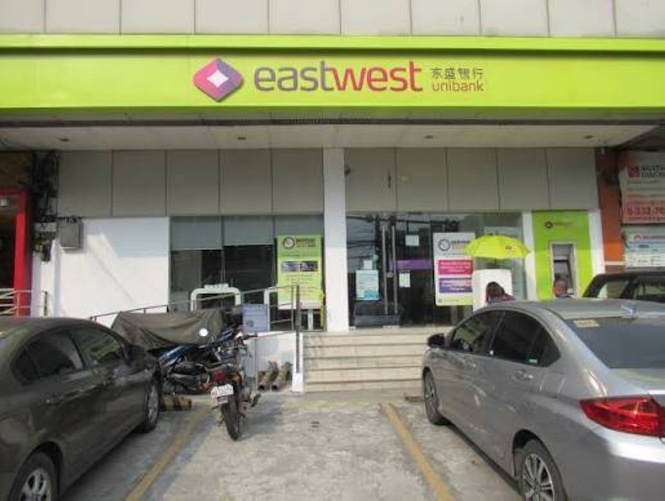
EASTWEST Banking Corp. is taking a measured approach to artificial intelligence (AI) adoption after finding that AI-powered processes can be faster but not necessarily cheaper than manual activities.
EastWest CEO Jerry Ngo said the bank had begun using AI for tasks such as optical character recognition and bots, but its experience has so far shown that the technology does not automatically result in lower operating costs.
“We've actually started to see that AI is actually not cheaper than manual activities,” he said.
Ngo said AI-enabled processes were faster, but the cost of tokens used by AI systems has also increased significantly, prompting the bank to be “very prudent and deliberate” in deciding where to deploy the technology.
EastWest is instead looking at AI as part of a broader cultural and business transformation, with applications focused on improving customer service, contextual capabilities, workflow processing and digital transformation.
The bank is also strengthening its data infrastructure as it expands its AI capabilities, with Ngo noting that the quality of data was critical to ensuring that AI applications produce useful and reliable results.
“We're very conscious that we take really good care in terms of making sure that our data is clean, actionable, fair, and transparent,” he said.
The technology push comes as EastWest considers raising capital to support its next phase of growth and investments.
Ngo said the bank’s capital levels, including its capital adequacy ratio and common equity tier 1 ratio, remain above regulatory standards and its internal thresholds. However, he said capital raising remains an option that the bank can use when conditions are favorable.
“Capital growth, capital raise for growth and investments is a lever that we're ready to pull at the opportune time,” he said.
Ngo said the bank would ideally raise capital when the economic cycle becomes more conducive, adding that EastWest is confident its major shareholders would support the next phase of growth.
For 2026, EastWest expects loan growth to remain at a more measured pace, ranging from high single digits to low teens as it shifts toward a more balanced portfolio.
Ngo said the bank was expanding its secured businesses, including mortgage and auto loans, as well as small and medium enterprise loans, to complement its unsecured portfolio.
The lender also expects credit costs to remain elevated as newer unsecured accounts continue to season, even if broader economic conditions improve.
“It's too early to tell. I'm not sure if this has peaked yet,” Ngo said when asked about the outlook for provisions in the second half of the year.
He said EastWest was expecting better visibility as its portfolio matures and its new credit models are validated, with credit costs likely to normalize gradually thereafter.
Ngo also said that the bank’s more than 80 percent nonperforming loan coverage on its consumer portfolio was considered sufficient for current conditions, although the appropriate level would continue to depend on macroeconomic indicators such as unemployment.
On dividends, he said EastWest aimed to balance shareholder returns with the need to maintain adequate capital buffers for growth.
Ngo said the bank had maintained a dividend payout equivalent to 20 percent of retained income over the past three to four years and hoped to continue that trajectory.
EastWest bank shares on Thursday closed up P0.02, or 0.18 percent, at P11.08 each.