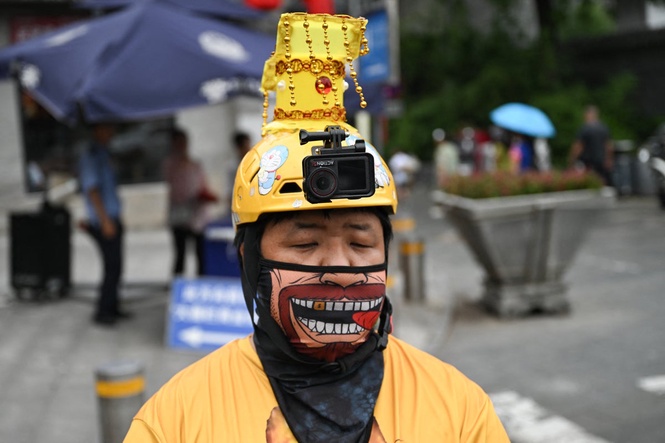
A Chinese professor has sparked a fierce backlash online for describing gig work as a form of welfare, exposing public frustration over job insecurity and the lack of social protection for millions of people.
Zhang Dandan, a prominent economics professor at Peking University, argued during a TV discussion on the employment situation of gig workers that “flexible employment is a welfare benefit”.
“From a labour economics perspective, flexibility itself is a benefit. Unlike us who have fixed 9-5 jobs, although our jobs offer social security and housing fund benefits, those are obtained in exchange for time and freedom,” she said.
Her comments quickly went viral on Chinese social media and were called out for being out of touch and privileged.
The professor did note that while “some people actively choose flexible employment, others have no choice because they cannot find a stable job with a labour contract and social insurance and housing fund benefits”.
She also acknowledged that “income disparity among gig workers is huge”.
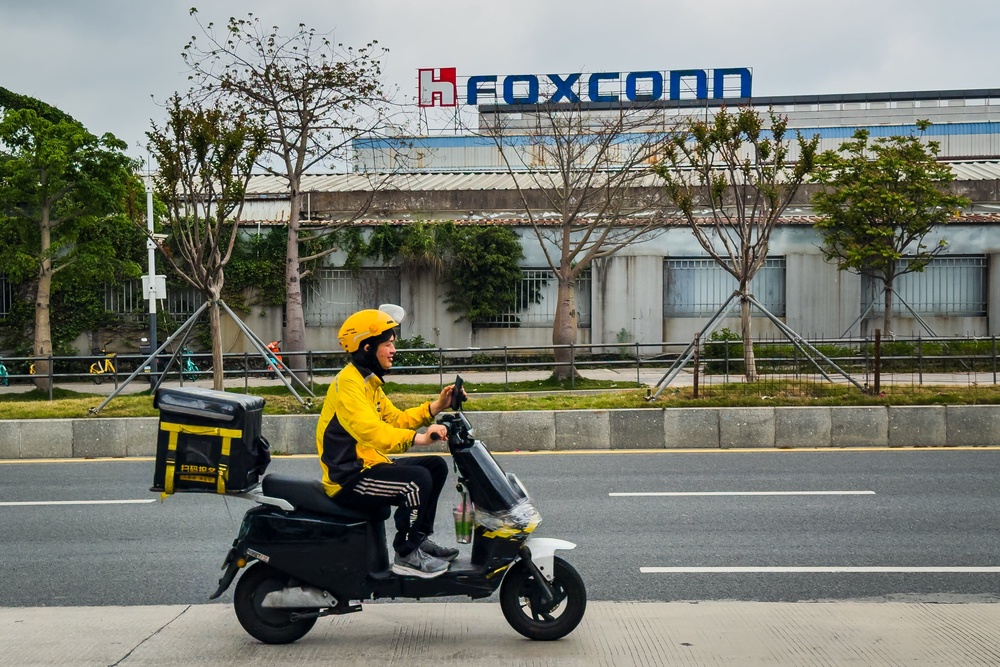
China’s gig economy has expanded rapidly as meagre unemployment insurance, record numbers of graduates and job shortages have squeezed opportunities for tens of millions of people.
An estimated 320 million people are currently in flexible employment without a permanent contract, rising from 280 million in 2025, according to the think tank China New Employment Forms Research Centre. That figure accounts for about 44 per cent of China’s total workforce and is as large as the US population.
Gig workers routinely complain of difficult working conditions, long hours, and low or unstable pay.
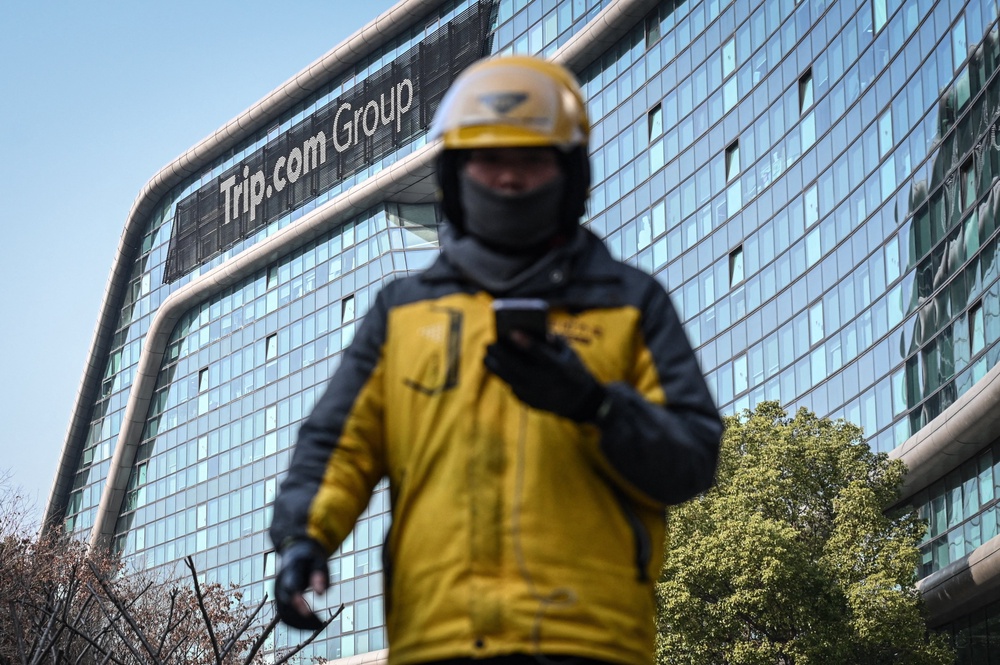
Prominent commentator Hu Xijin, a former editor of the newspaper Global Times, called Ms Zhang’s framing of gig work “completely unacceptable” and “shocking”.
He noted that most flexible workers took such jobs out of necessity rather than preference. “She has paid the price for her reputation for speaking this way and the responsibility lies with her,” Mr Hu said, adding that the professor should “respond to public opinion, explain where necessary, and apologise where appropriate”.
Ms Zhang’s words also drew criticism from social media users. “Such comments from experts are no less than rubbing salt into the wounds of those without job security,” a Weibo user said.
“Every day, they are racing against their platform’s algorithm at all costs, without rest,” another said, adding that gig work was “precisely the most unavoidable of choices, not a preference”.
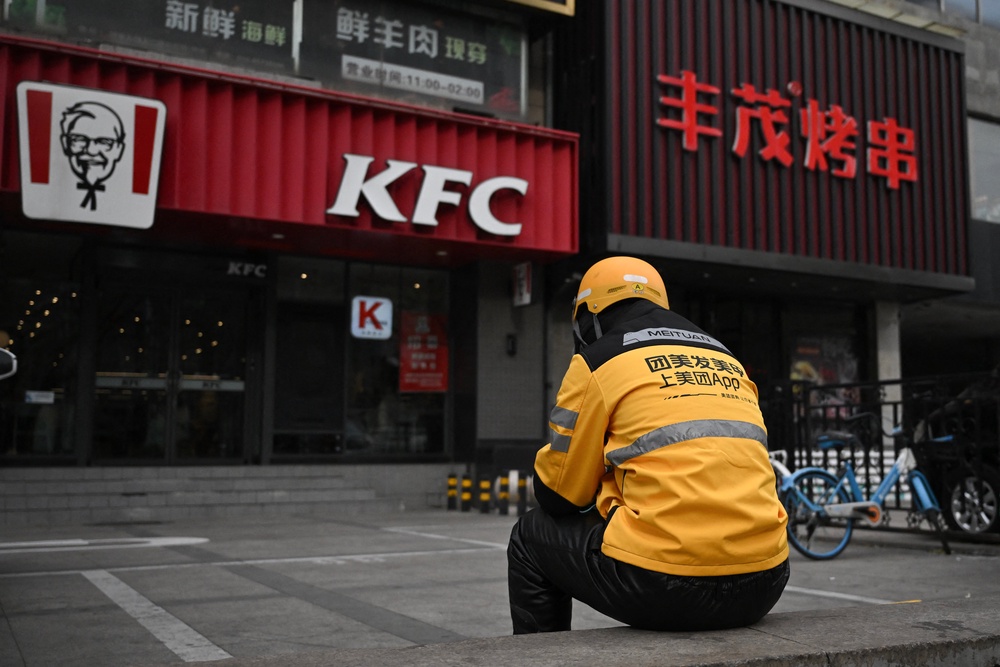
Ms Zhang’s work focuses on documenting the realities of precarious and flexible work and advocating for better institutional adaptations.
In 2025, she found that on-demand workers made up nearly 31 per cent of the workforce in China’s manufacturing sector. And during peak season, that proportion rose as high as 80 per cent for large manufacturers with more than 10,000 workers.
Her study covered nearly 30 manufacturing firms, 20 labour intermediaries, and 10 labour markets in key manufacturing hubs across the country.
Read MoreChina reeling under floods triggered by Typhoon Narra as Saudel approaches Japan
China’s Xi likely to attend Brics summit in India with large delegation
Workers in China worry over being replaced with AI: ‘Everyone else is using it’