Did you know that a sea turtle can travel thousands of kilometres across the ocean and still find its way back to the exact beach where it was born?
For more than 110 million years, sea turtles have survived ice ages, dramatic climate changes, and even the extinction event that wiped out the dinosaurs. Yet today, one of their greatest threats comes from human activity.
Along Malaysia's East Coast, conservation efforts are helping these ancient mariners continue a journey that has lasted millions of years.
When people think of Malaysia’s East Coast, images of pristine beaches, crystal-clear waters, and peaceful islands often come to mind. But beyond the beautiful scenery lies something even more meaningful — one of nature’s oldest surviving treasures: the sea turtle.
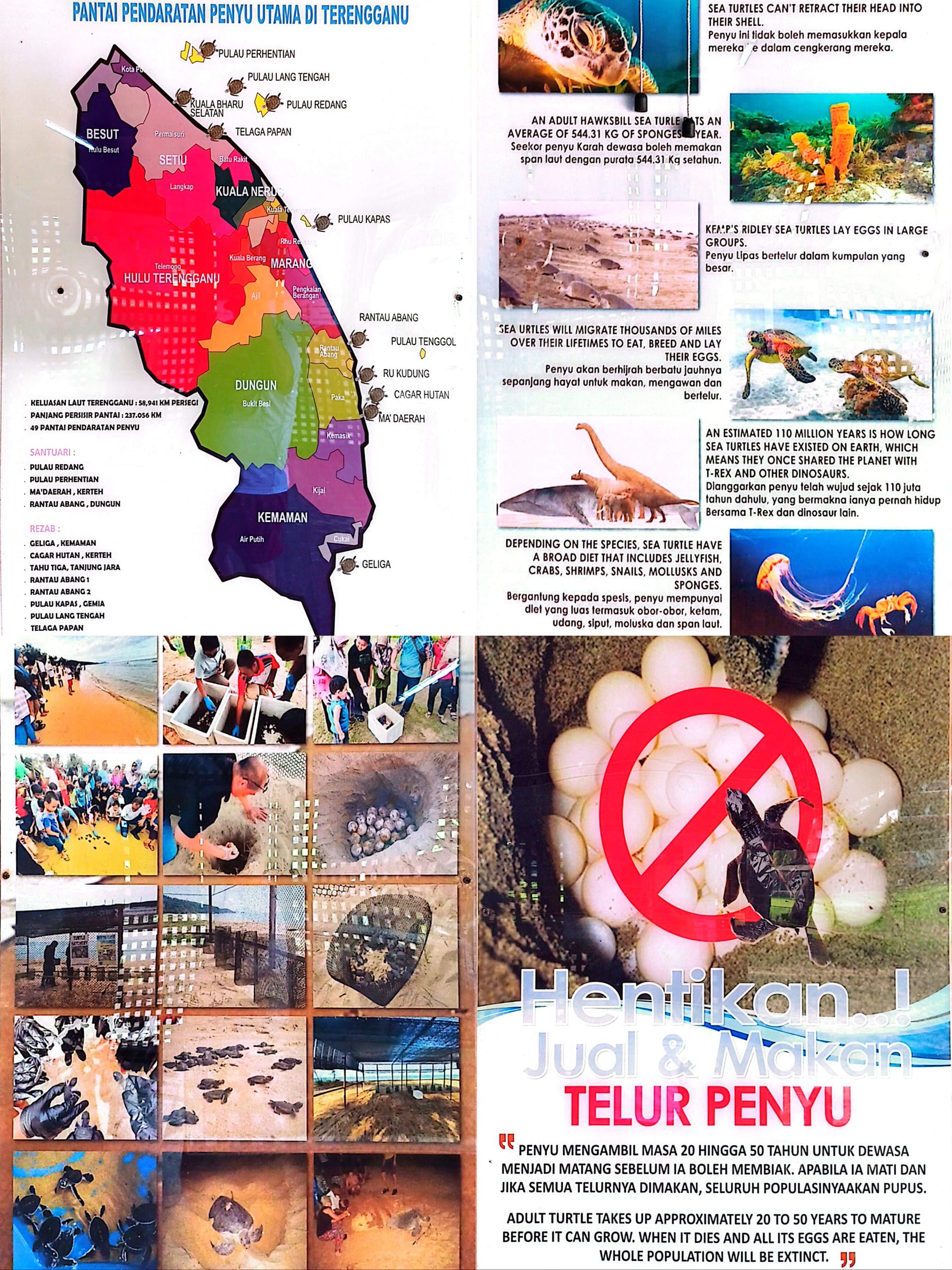
Stretching across the shores of Kelantan, Terengganu, and Pahang, the East Coast is home to some of Malaysia’s most important turtle nesting grounds. In Terengganu alone, dozens of beaches welcome nesting turtles each year, including well-known sites such as Rantau Abang, Redang Island, the Perhentian Islands, Telaga Papan, and Geliga in Kemaman.
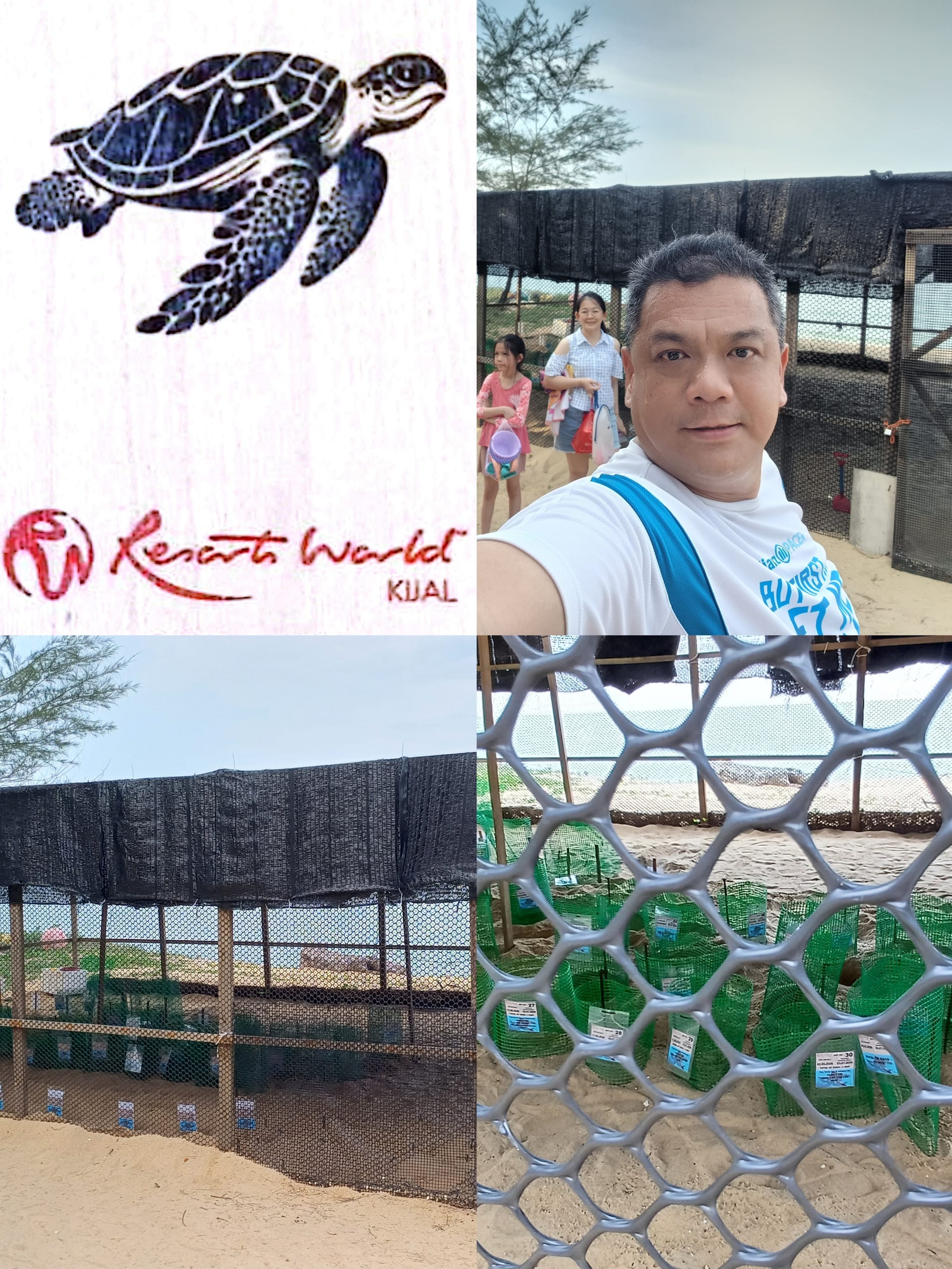
One lesser-known but worthwhile stop for visitors is the turtle information and conservation facility near Resorts World Kijal (formerly known as Awana Kijal). Developed through collaboration between Resorts World Kijal and the Department of Fisheries Malaysia (DOF Malaysia), the centre provides visitors with valuable insights into sea turtle conservation, hatchery operations, nesting behaviour, and the challenges these ancient marine creatures face.
Through educational exhibits and awareness programmes, visitors can gain a deeper appreciation of Malaysia's efforts to protect its marine heritage.
Every year, female sea turtles return to the very beaches where they were born — an incredible journey guided by instinct and the Earth's magnetic field. Travelling thousands of kilometres across the ocean, they return home to continue a cycle that has existed for millions of years.
A turtle’s life begins in the sand. After about eight to ten weeks of incubation, tiny hatchlings emerge and instinctively rush towards the sea. Only a small number survive this dangerous journey. Those that do enter what scientists call the “lost years”, drifting across vast oceans before eventually finding coastal feeding grounds.
Depending on the species, sea turtles take between 20 and 50 years to reach maturity. Once grown, they return to breeding and nesting areas, continuing the timeless cycle of life.
Sea turtles are among the oldest creatures on Earth, believed to have existed for more than 110 million years. They have survived mass extinctions and dramatic environmental changes, yet today, their survival is threatened more by human activity than by nature itself.
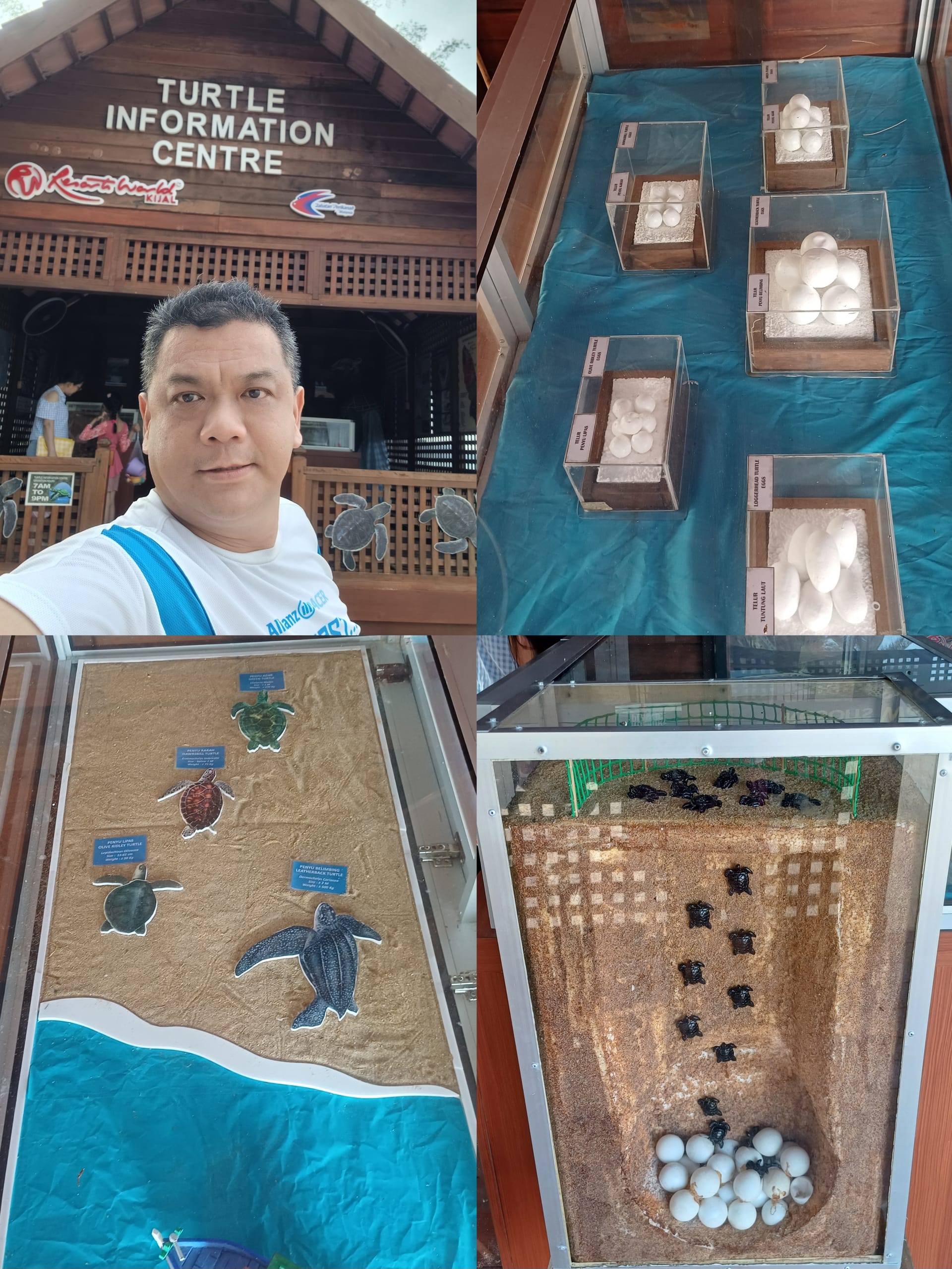
One of the biggest threats remains the harvesting and consumption of turtle eggs. While once considered a local delicacy in some communities, removing eggs from nests significantly reduces hatchling survival. Each egg taken is a life that never gets the chance to begin.
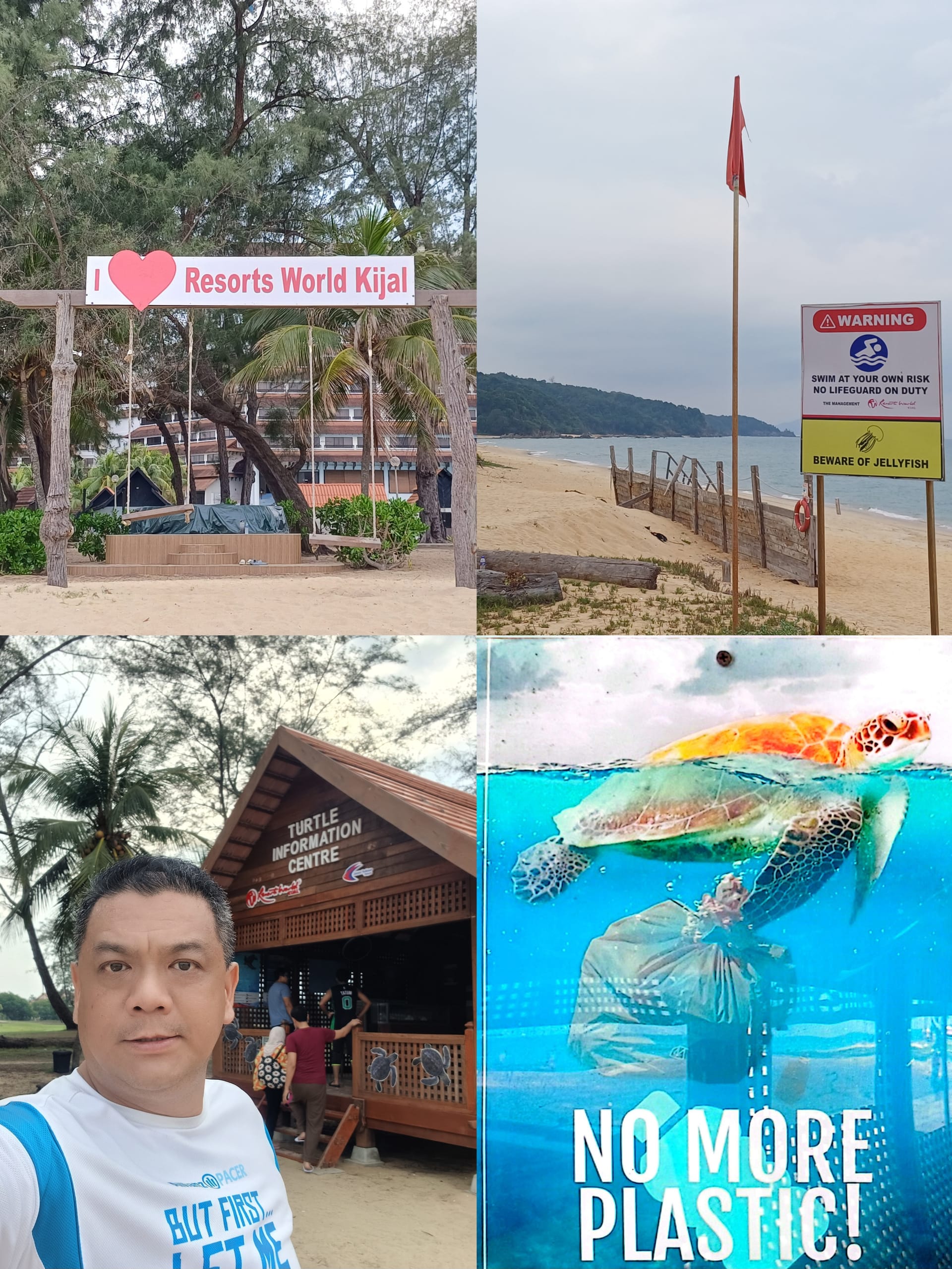
Another serious threat is plastic pollution. Floating plastic bags often resemble jellyfish, one of the sea turtle’s natural food sources. When turtles mistakenly consume plastic, it can block their digestive systems and lead to injury or death.
This is why the message “No More Plastic” matters so much. Every reusable bottle used, every plastic bag refused, and every piece of litter properly disposed of helps create a safer environment for marine life.
Along Malaysia’s East Coast, conservation centres and hatcheries continue to play a vital role in protecting nests and improving hatchling survival rates. Visitors may even have the opportunity to witness hatchling releases — a powerful moment as tiny turtles take their first steps towards the sea.
Sea turtles also play an important role in maintaining healthy marine ecosystems. Their presence is often a sign of a balanced ocean, supporting coral reefs, seagrass beds, and countless marine species.
Today, conservationists, researchers, volunteers, and local communities continue working hand in hand to protect these ancient mariners. Through education, hatchery programmes, nest protection, and responsible tourism, they are giving sea turtles a fighting chance.
The next time you visit Resorts World Kijal or explore Malaysia’s East Coast, take a moment to visit the Turtle Information Centre and learn about these remarkable creatures.
Because every turtle that returns home carries a story that began long before us — and deserves a future long after us.
Protect turtles. Protect our oceans. Say no to turtle eggs. Say no to plastic.
Every turtle that returns to Malaysia's shores represents a journey millions of years in the making. By protecting their nests, reducing plastic waste, and saying no to turtle eggs, we can help ensure that future generations will continue to witness one of nature's most remarkable homecomings.

Share hidden facts about Malaysia and stand a chance to win prizes worth up to RM4,300! Find out how to join here. T&Cs apply.
Paul Woon SF (wsfpaul@yahoo.com) is a content creator under the Newswav Creator programme, where you get to express yourself, be a citizen journalist, and at the same time monetize your content & reach millions of users on Newswav. Log in to creator.newswav.com and become a Newswav Creator now!
The User Content (as defined on Newswav Terms of Use) above including the views expressed and media (pictures, videos, citations etc) were submitted & posted by the author. Newswav is solely an aggregation platform that hosts the User Content. If you have any questions about the content, copyright or other issues of the work, please contact creator@newswav.com.