
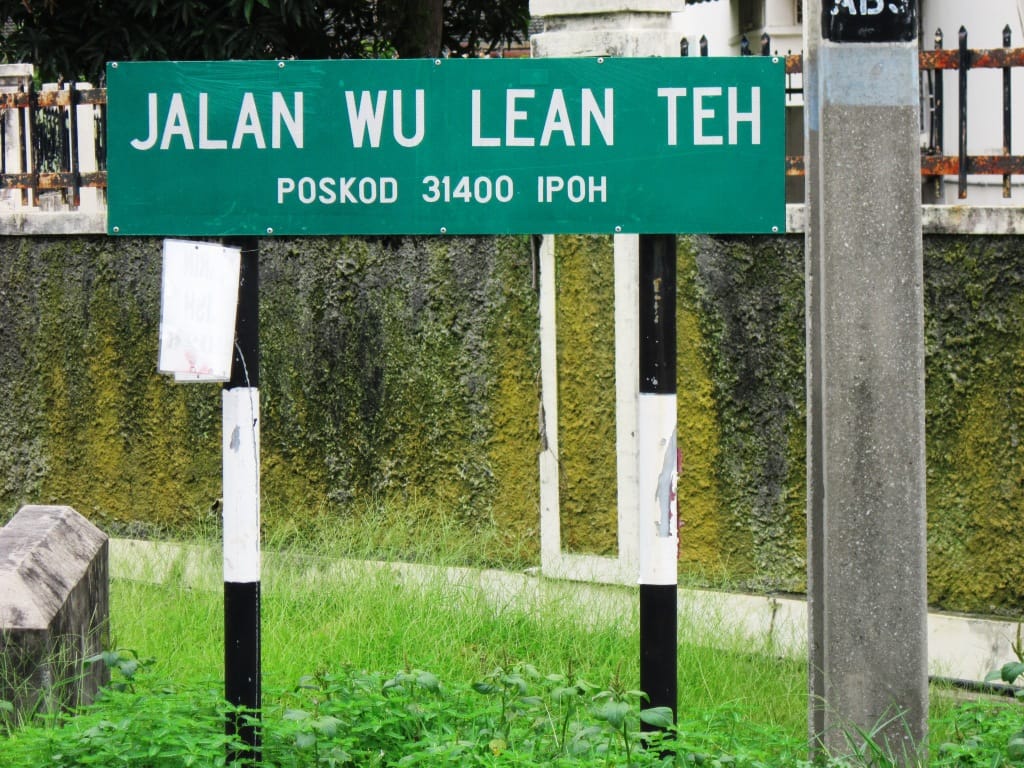
Dr. Wu Lien-teh: Inventor of A Mask Against the Whispering Death
History often remembers its warriors in armor, but some fought their battles with intellect instead of swords. Wu Lien-teh was one such warrior—a man who stood against disease not with weapons of steel, but with threads of cotton and clarity of mind. His life was like a river: beginning quietly in Malaya, flowing through distant lands, and eventually shaping the landscape of global medicine.
His journey began in the classrooms of Penang Free School, where his young mind shimmered like morning dew—small, yet full of promise. Among rows of wooden desks and chalk-dusted blackboards, Wu’s intellect grew like a flame sheltered from the wind. At a time when many were bound by circumstance, he rose like a kite catching an unexpected gust, lifted by determination and discipline.
That wind carried him across oceans through the prestigious Queen's Scholarship, a passport of brilliance that opened the gates of University of Cambridge. Cambridge was no ordinary place—it was an ocean of knowledge, deep and unrelenting. Wu did not merely float upon its surface; he dived into its depths, gathering pearls of medical wisdom. There, he became a bridge—one foot planted in the East, the other in the West—connecting two worlds through science.
Yet destiny does not test a person in comfort. It calls them into storms.
In 1910, a deadly plague swept through Manchuria, moving like a silent winter wind that froze entire communities in fear. Death lingered in every breath, invisible yet relentless. When Wu arrived, he stepped into a landscape that resembled a battlefield after the clash—lifeless bodies, confusion, and despair stretching as far as the eye could see.
But where others saw chaos, Wu saw patterns—like a skilled weaver recognizing the threads in a tangled knot. He realized that this plague did not creep through fleas alone, but rode upon the air itself, traveling from breath to breath like whispers of death. This insight was like striking a match in darkness—it revealed both the danger and the path forward.
What he designed was simple, almost humble—layers of gauze and cotton. Yet simplicity can carry the weight of salvation. The mask became a wall where there was none before, a net catching invisible arrows in mid-flight. To many at the time, it seemed unnecessary, even strange. But Wu insisted, like a lighthouse refusing to dim despite the fog. Doctors, nurses, and ordinary people began wearing these masks, each one a small act of resistance against an unseen enemy.
Slowly, the tide turned. Through quarantine, discipline, and the widespread use of masks, the plague was brought under control. Wu did not just stop an epidemic—he rewrote the language of public health. His methods became seeds, later growing into the forests of modern epidemic control we rely on today.
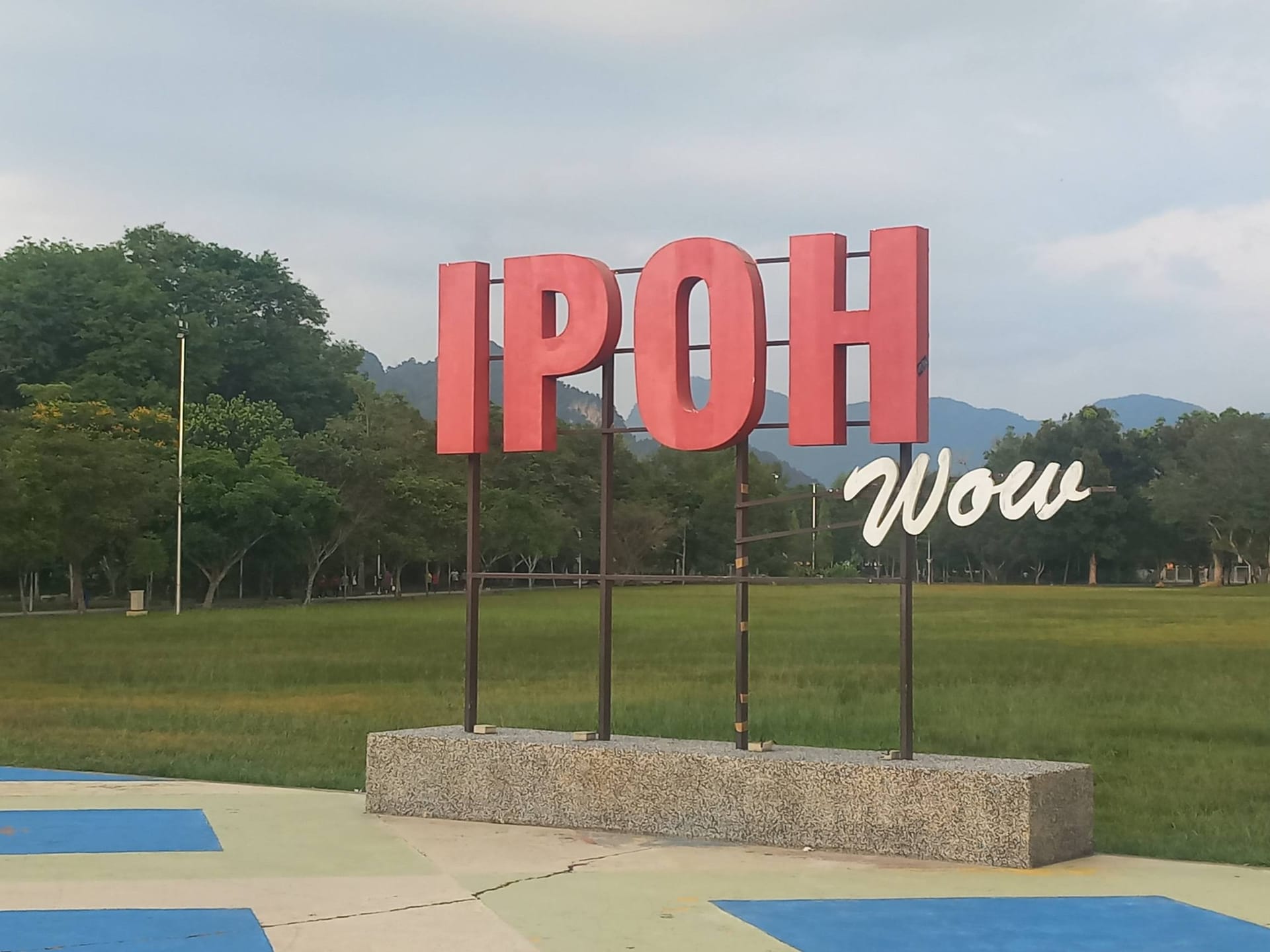
After facing the storm in China, Wu returned to calmer shores in Ipoh. There, he resumed his life as a physician, tending to patients not as a distant hero, but as a steady presence. Ipoh, a town shaped by tin mines and human grit, welcomed him as both healer and guardian. Today, Jalan Dr Wu Lien-Teh stretches through the town like a line of memory, reminding passersby of the man who once held back a tide of death.
His achievements rippled far beyond local shores. In 1935, Wu became the first ethnic Chinese from Malaya to be nominated for the Nobel Prize in Physiology or Medicine. Though he did not receive the prize, the nomination itself was like a distant bell—clear, resonant, and impossible to ignore. It signified that his work had crossed oceans and entered the consciousness of the world.
Wu Lien-teh’s life teaches us that not all heroes are loud. Some work quietly, like roots beneath the soil, holding entire forests upright. His invention of the mask was not grand in appearance, but it became a shield for humanity—a thin line between breath and silence.
Today, when masks appear on faces during times of illness, they are often seen as ordinary. Yet each one carries an invisible story—a story of a young boy from Penang who chased knowledge across seas, faced a deadly storm in Harbin, and returned home having changed the world.
Wu’s legacy lingers like a gentle wind—unseen, yet deeply felt. He reminds us that even the simplest ideas, when guided by courage and wisdom, can become barriers against the darkest tides.
moykokming@gmail.com

Share hidden facts about Malaysia and stand a chance to win prizes worth up to RM4,300! Find out how to join here. T&Cs apply.
Moy Kok Ming (moykokming@gmail.com) is a content creator under the Newswav Creator programme, where you get to express yourself, be a citizen journalist, and at the same time monetize your content & reach millions of users on Newswav. Log in to creator.newswav.com and become a Newswav Creator now!
The User Content (as defined on Newswav Terms of Use) above including the views expressed and media (pictures, videos, citations etc) were submitted & posted by the author. Newswav is solely an aggregation platform that hosts the User Content. If you have any questions about the content, copyright or other issues of the work, please contact creator@newswav.com.