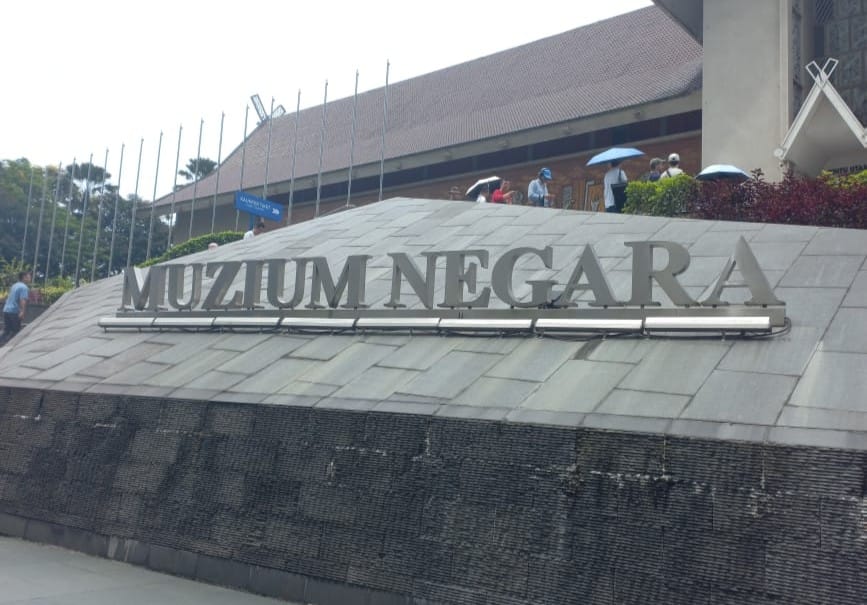
Yes, only RM2 in the middle of KL - bet you didn't know that, and didn't know where!
KL is home to so many of us, yet those of us who've lived here for many years, have never bothered to explore the city to learn more about our roots. Hence, I was genuinely surprised that Muzium Negara was so near my office in KL Sentral - accessible by public transport then a short walk of less than two minutes to reach the entrance.
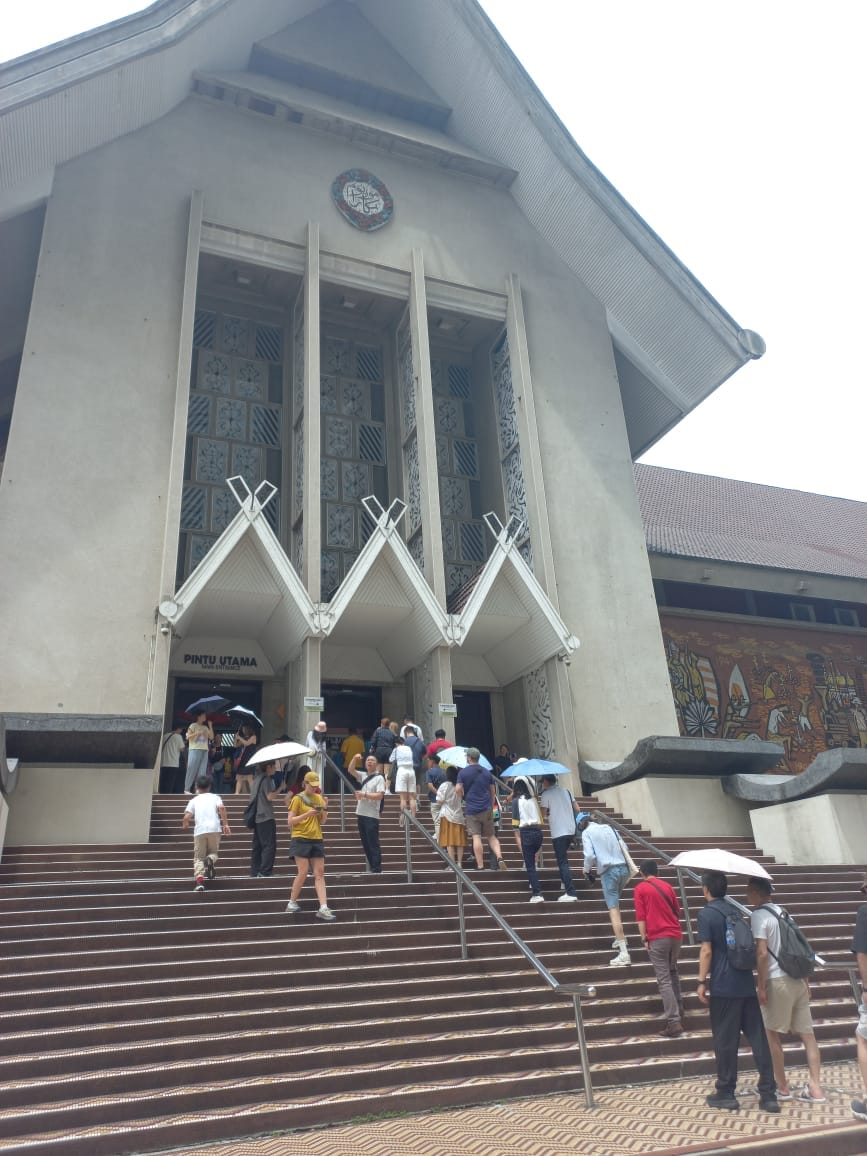
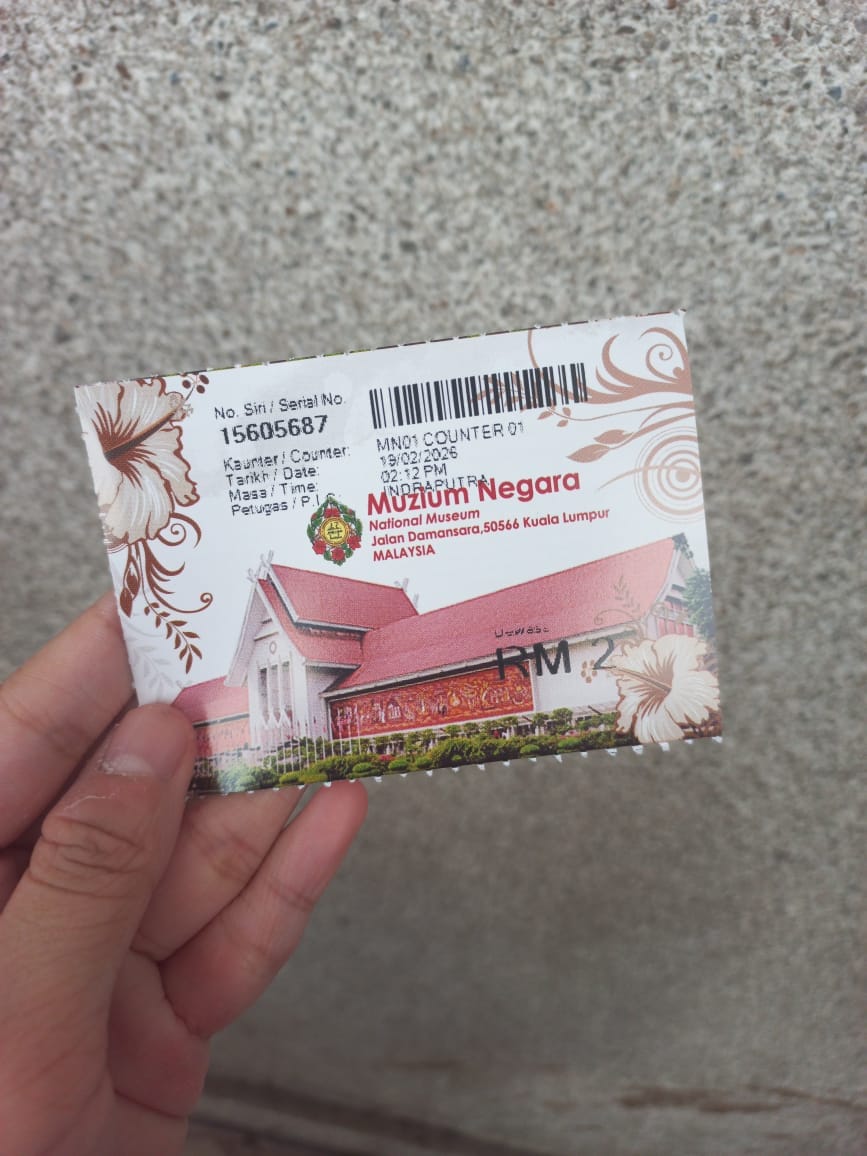
To encourage more locals to visit the museum, ticket prices are just RM2 for MyKad holders - you can line up at the counter to purchase your tickets for same day entry. This is a special benefit for Malaysians - tourists from other countries are charged RM5 per ticket, which may not be much but it's still cheaper for locals.
Do bring an umbrella because the lines could get long and there's no shade when lining up!
Upon entry, the directory will show that there are 4 sections to visit - A, B, C and D which each cover a different part of our history. Each part is highly educational and I would recommend to spend at least 30 minutes in each section.
On my second visit to the museum, they had an exhibit on Tunku Abdul Rahman and his journey to secure Malaysia's independence at the centre of the museum. It wasn't there the first time I visited, hence I believe that they have limited time-only exhibits once in awhile with different thematics.
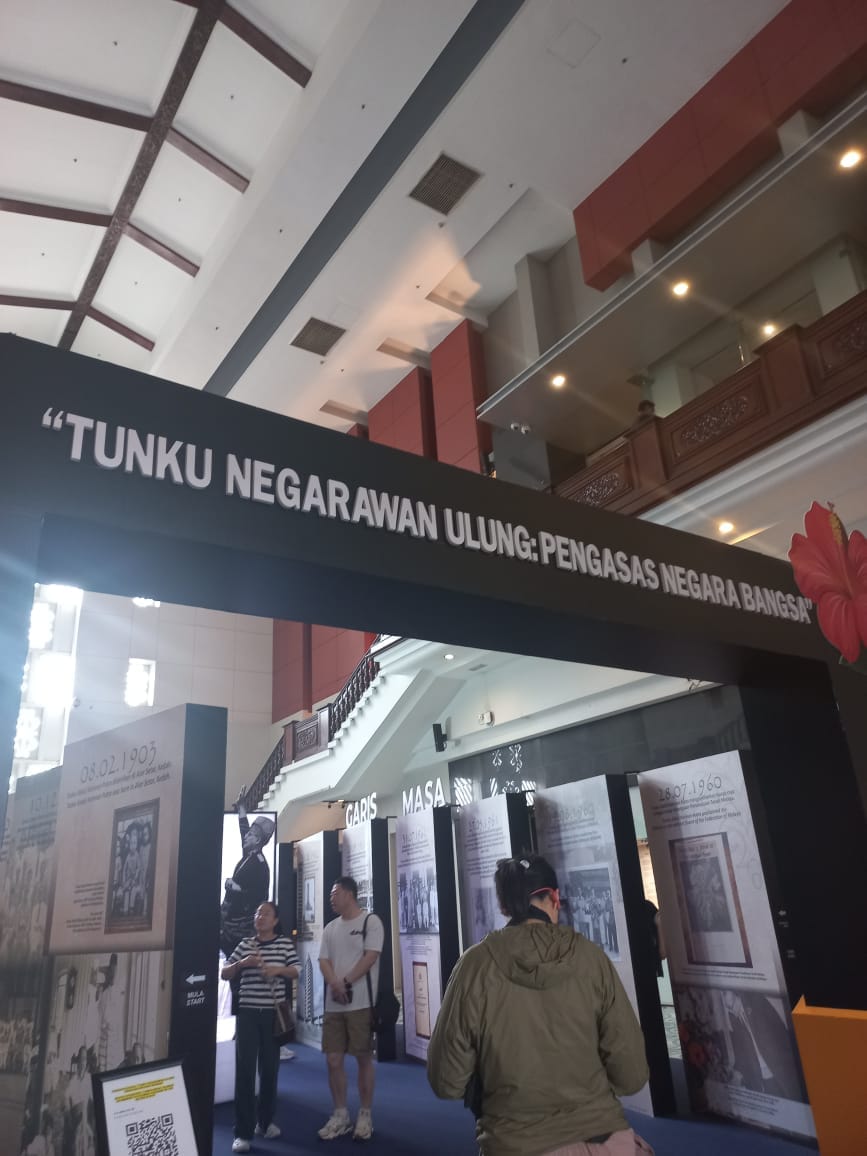
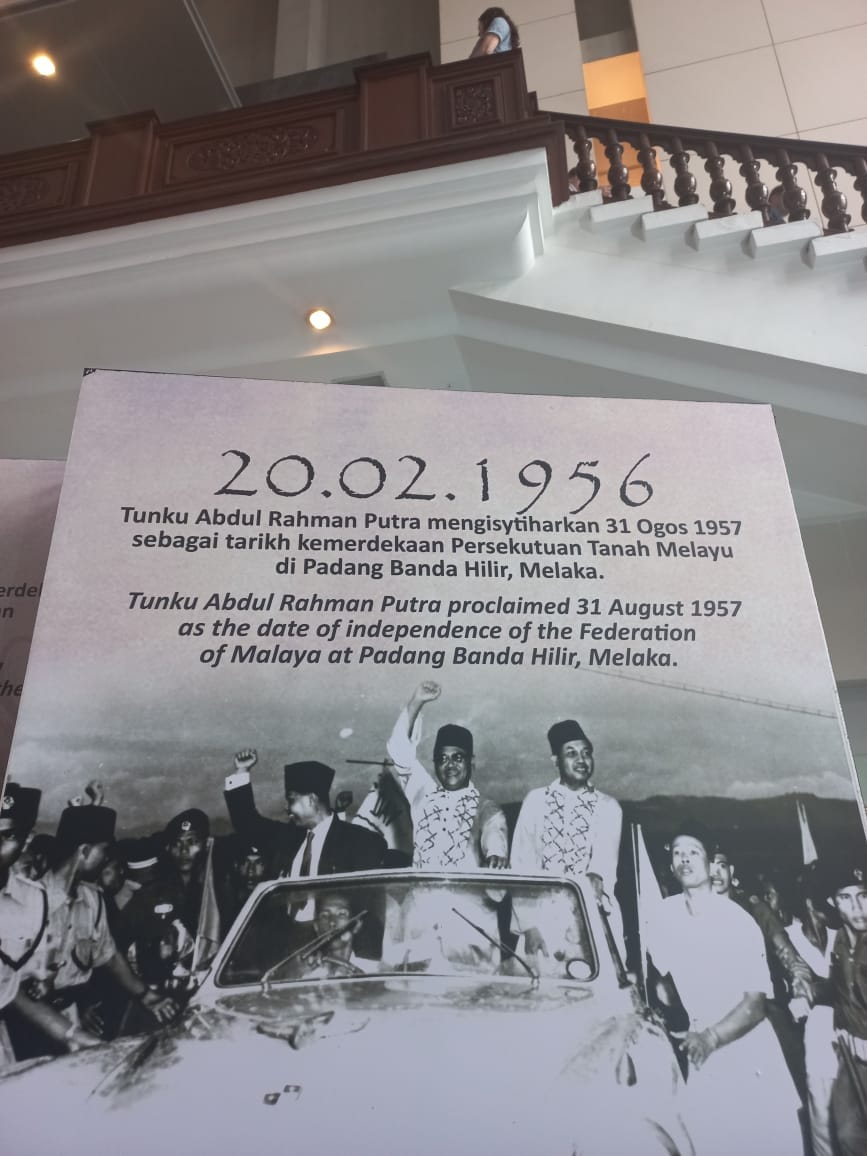
These limited time-only exhibits take a maximum of 10 minutes to run through, and you can then proceed to Gallery A which starts off our early history, which focuses on the formation of Earth as well as ancient civilization. Those who grew up studying Sejarah would recognise some of these exhibits covering artifacts from the Paleolithic, Hoabinhian and Neolithic Ages.
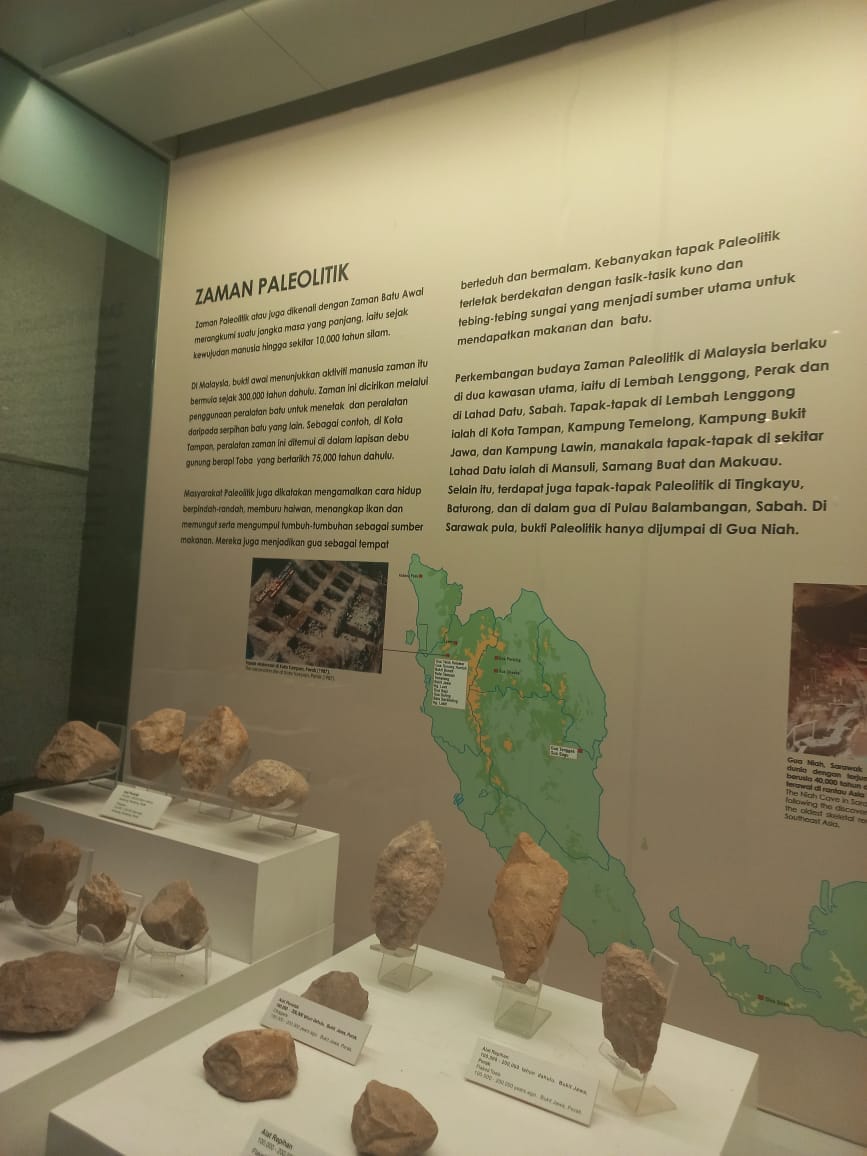
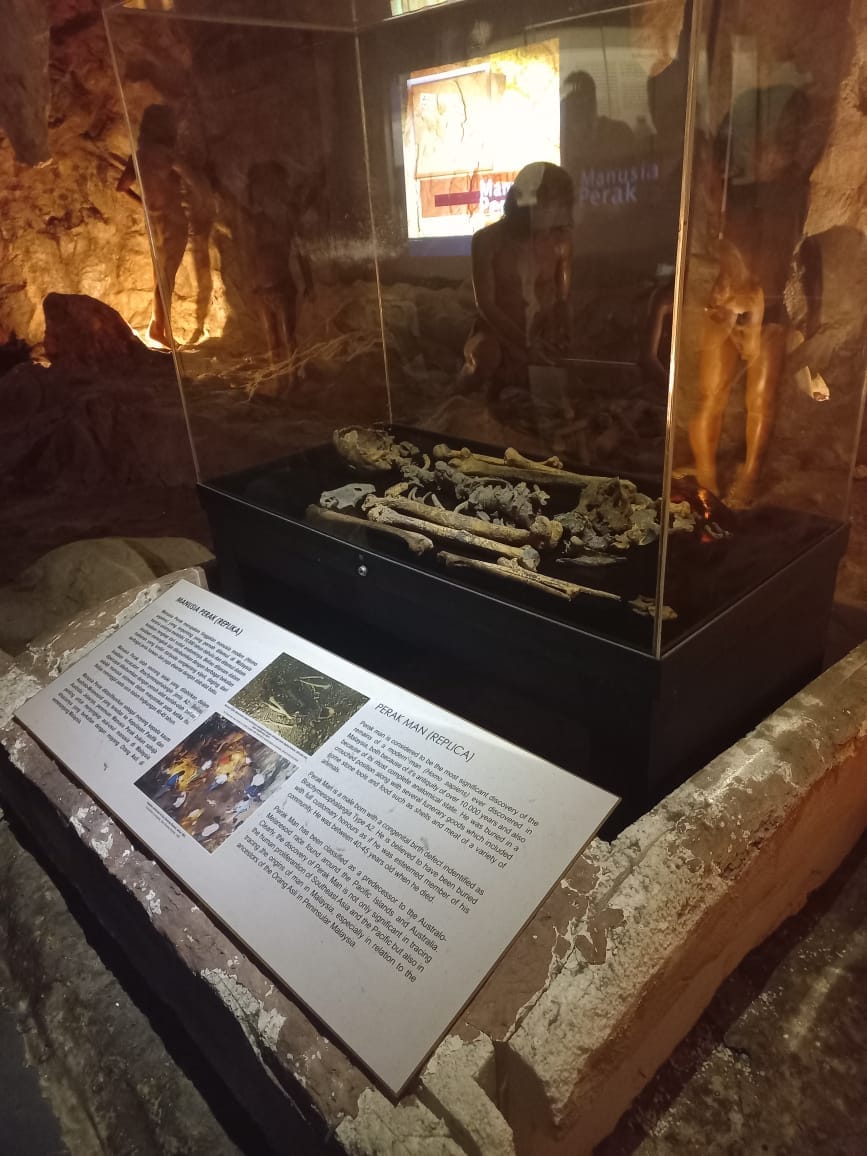
One of the key exhibits is a replica of the Perak Man, the oldest and near intact human skeleton in South East Asia found in this country approximately 10,000 – 11,000 years ago. Each exhibit is accompanied by a description in both English & Malay, suitable for visitors of all backgrounds.
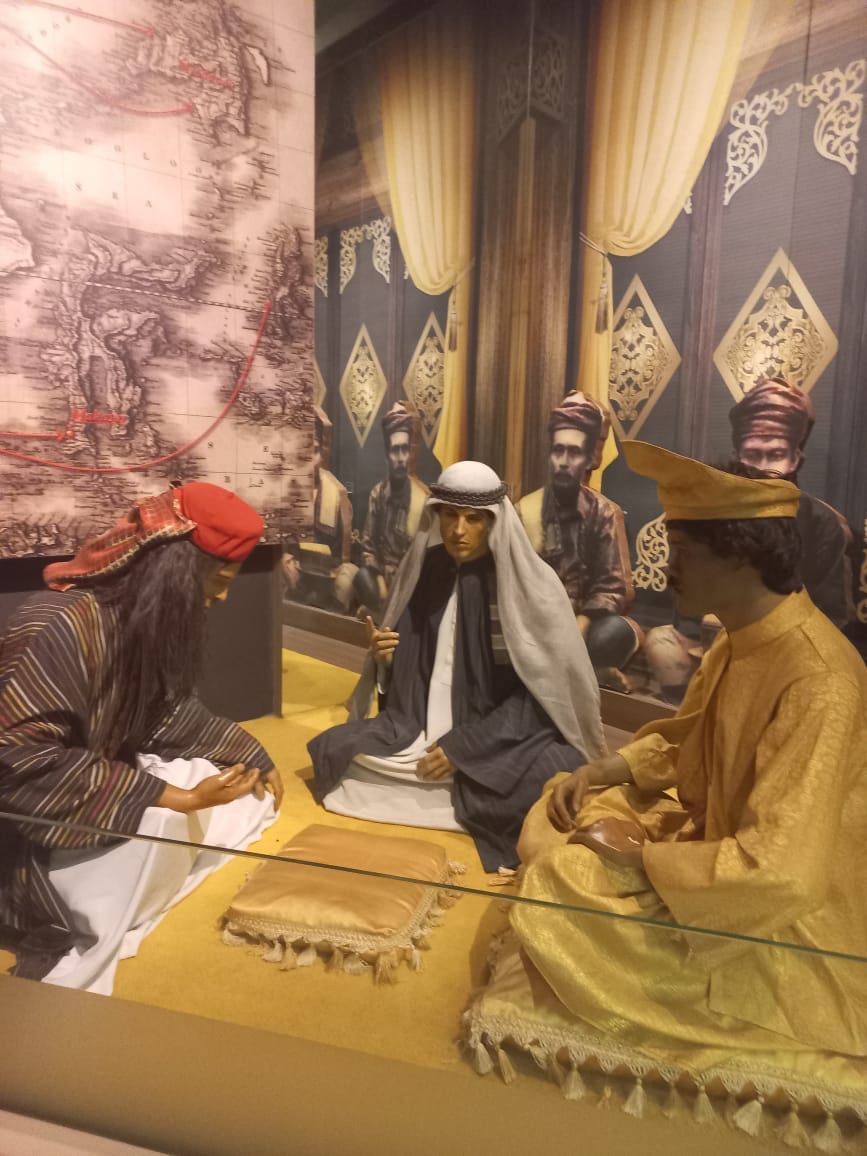
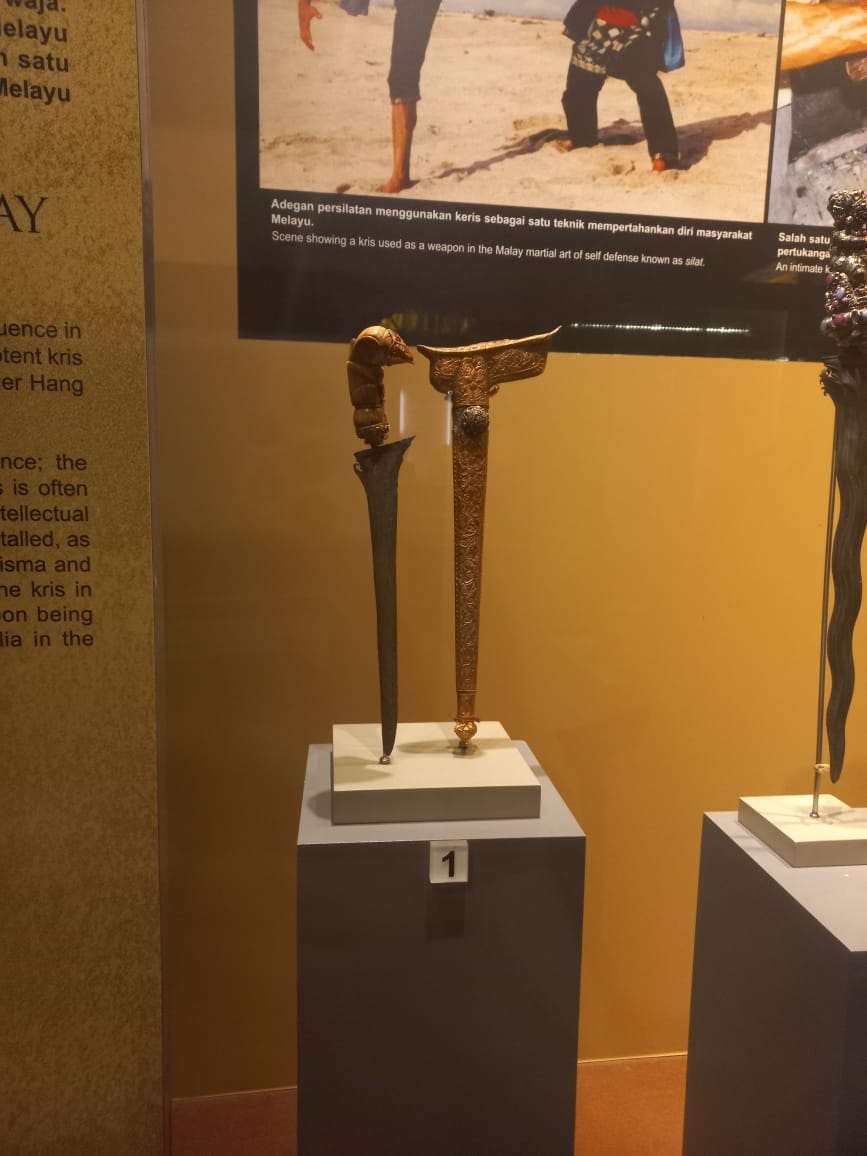
In Gallery B, the focus moves onwards to Malay Kingdoms, which highlight how Malay Kingdoms in the Malay Archipelago have developed in the early ages.
While different sultanate eras are explored throughout the exhibit, the main focus is the history of Sultan Melaka, which was considered the golden period in the history of the Malay-Islamic civilization in this region.
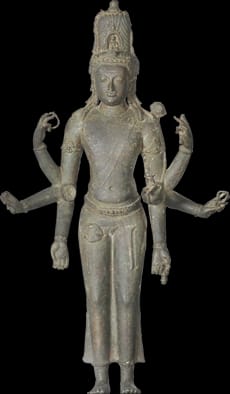
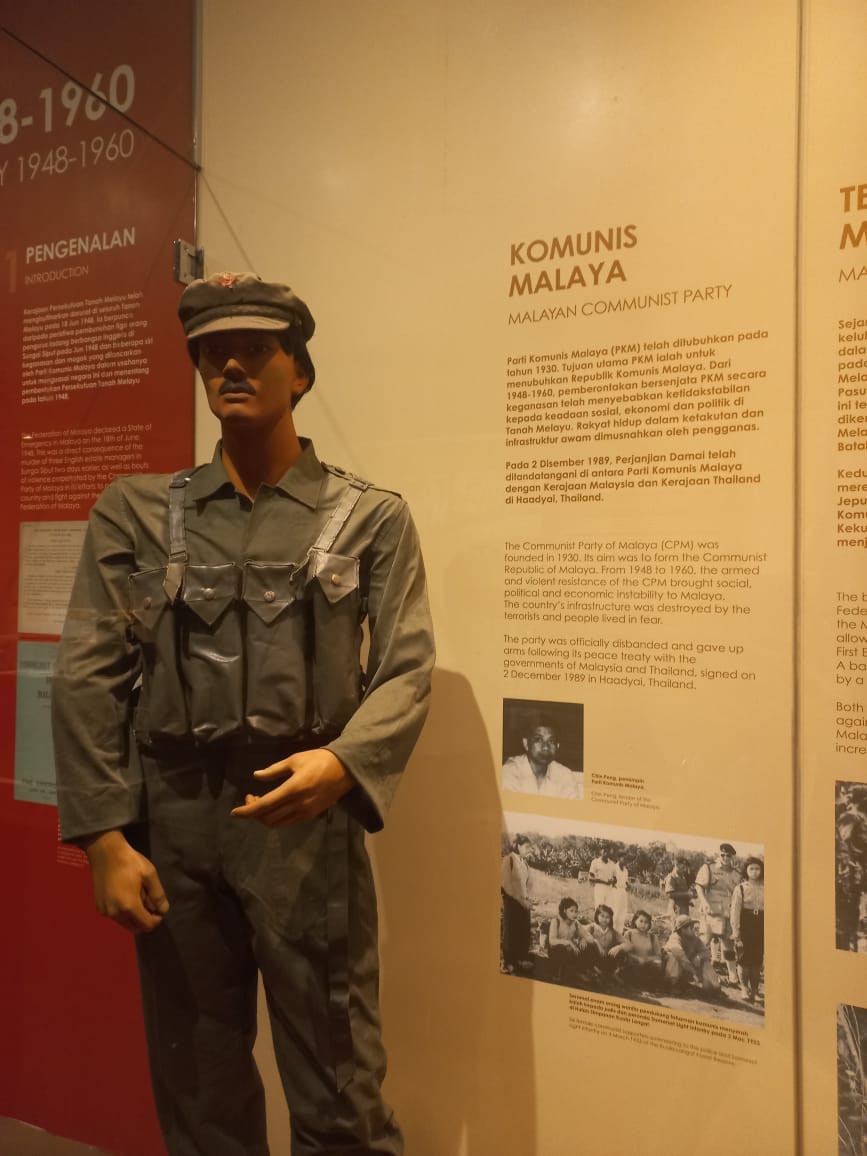
Artefact of the Avalokiteshvara statue, recognized as the National Heritage Artefact in 2009 is among the important collection exhibited in this gallery.
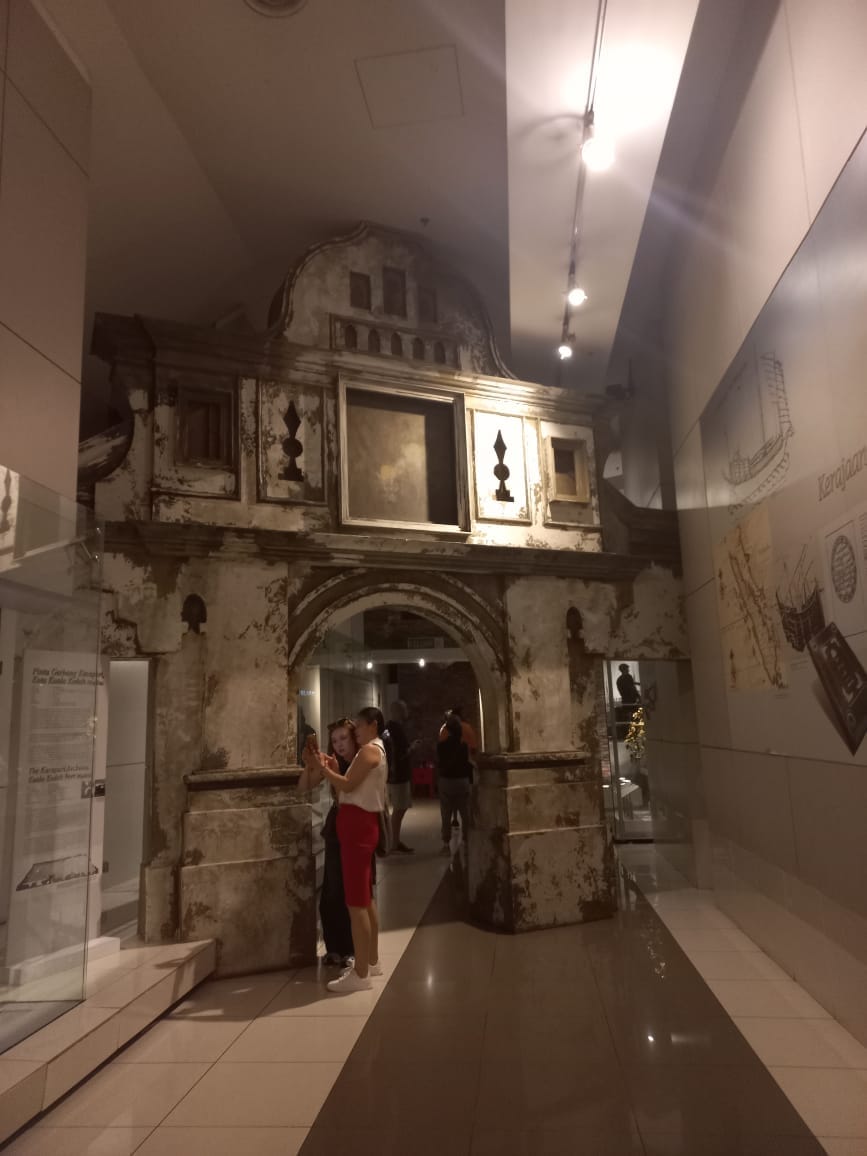
After the golden periods of the Malay sultanate, we move into Gallery C, which explores Malaysia's colonial eras from the Portugese, Dutch, British and then to the Japanese occupation.
Visitors will receive an grand welcome to this section - in the form of a life-sized replica of a damaged A'Famosa, for us to remember how grim our past was during this era.
The gallery also shows the factors and effects of colonialism that have impacted the political, economic and social aspects of Malaysia's society.
It's a good experience especially for high schoolers who are on the road to SPM, as physical exhibits allow them to remember our history in a different manner from the textbooks. However, some of the exhibits can be quite text-heavy and lengthy, and require deep focus which may not be ideal for families with children.
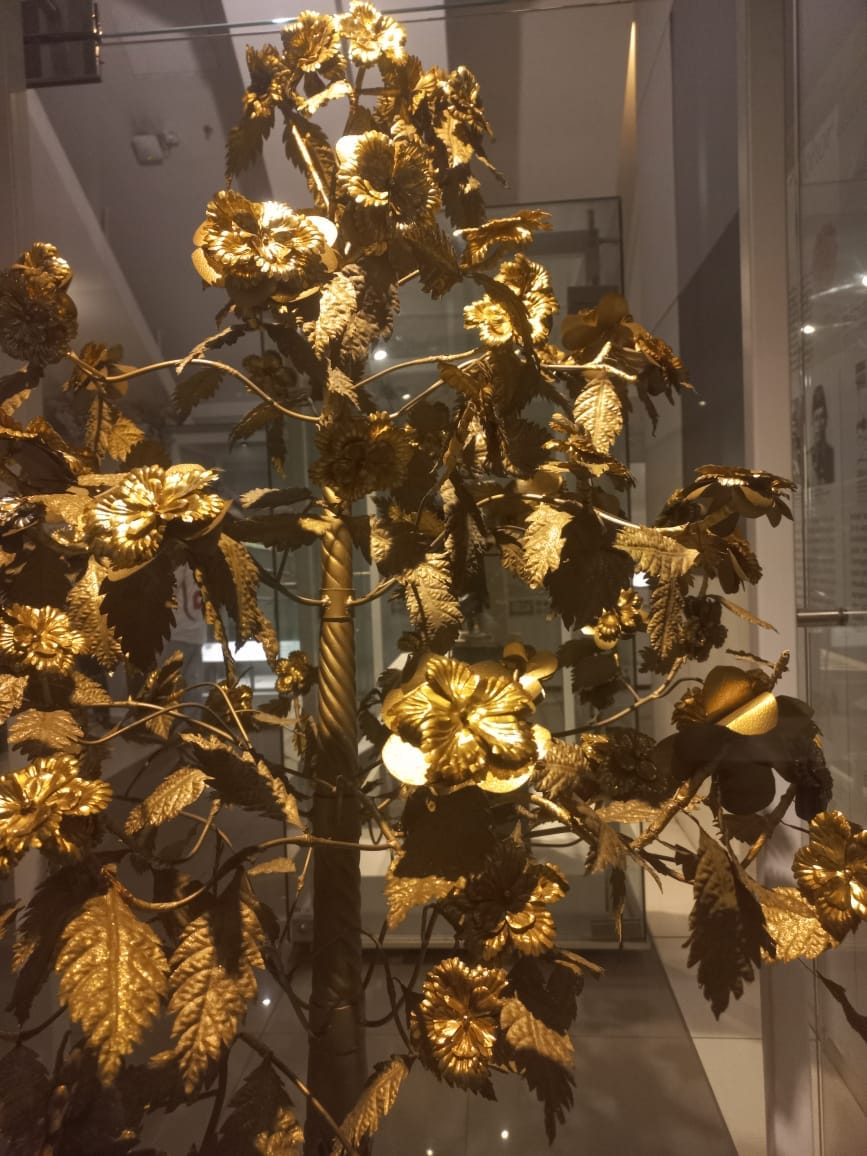
The replica of the Bunga Mas, which back then, was a special gift delivered by Malay rulers in the north of the Malay Peninsular to the Siamese King in Bangkok is one of the collection attractions in the gallery.
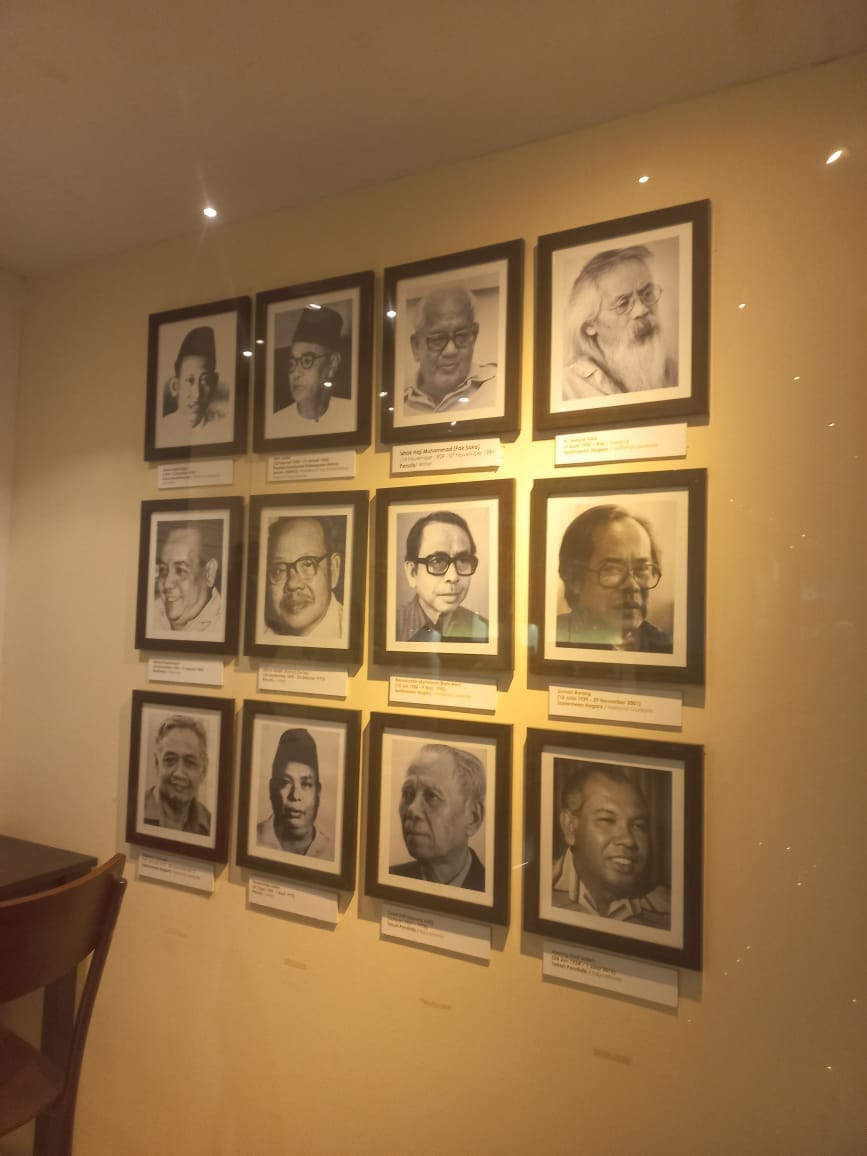
And in Gallery D, the last gallery brings us back to modern civilisation where we explore Malaysia today - a perfect closing to a long journey where we not only look back at how far we've come, but also appreciate the challenges that brought us to where we are today and the leading figures that fought for our independence.
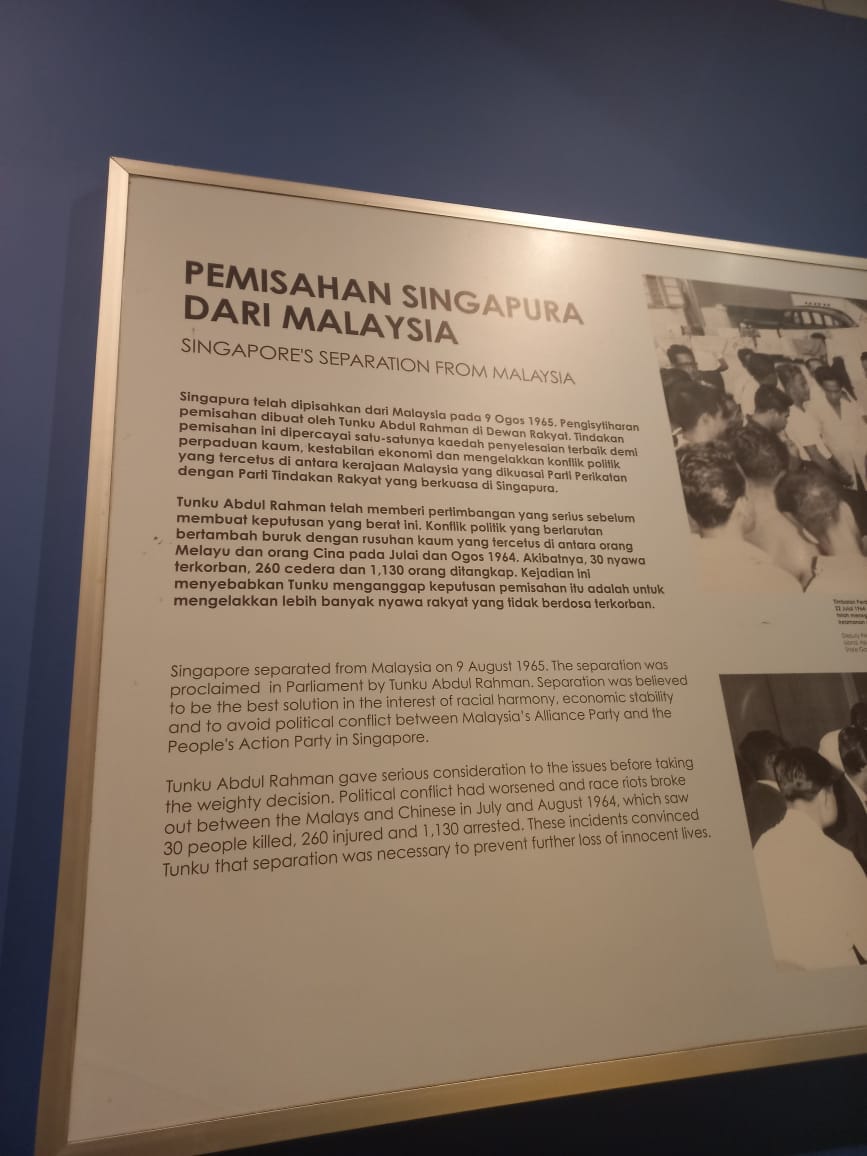
This gallery also highlights the achievements enjoyed by the country after its independence until the formation of Malaysia in 1963 and today’s events.
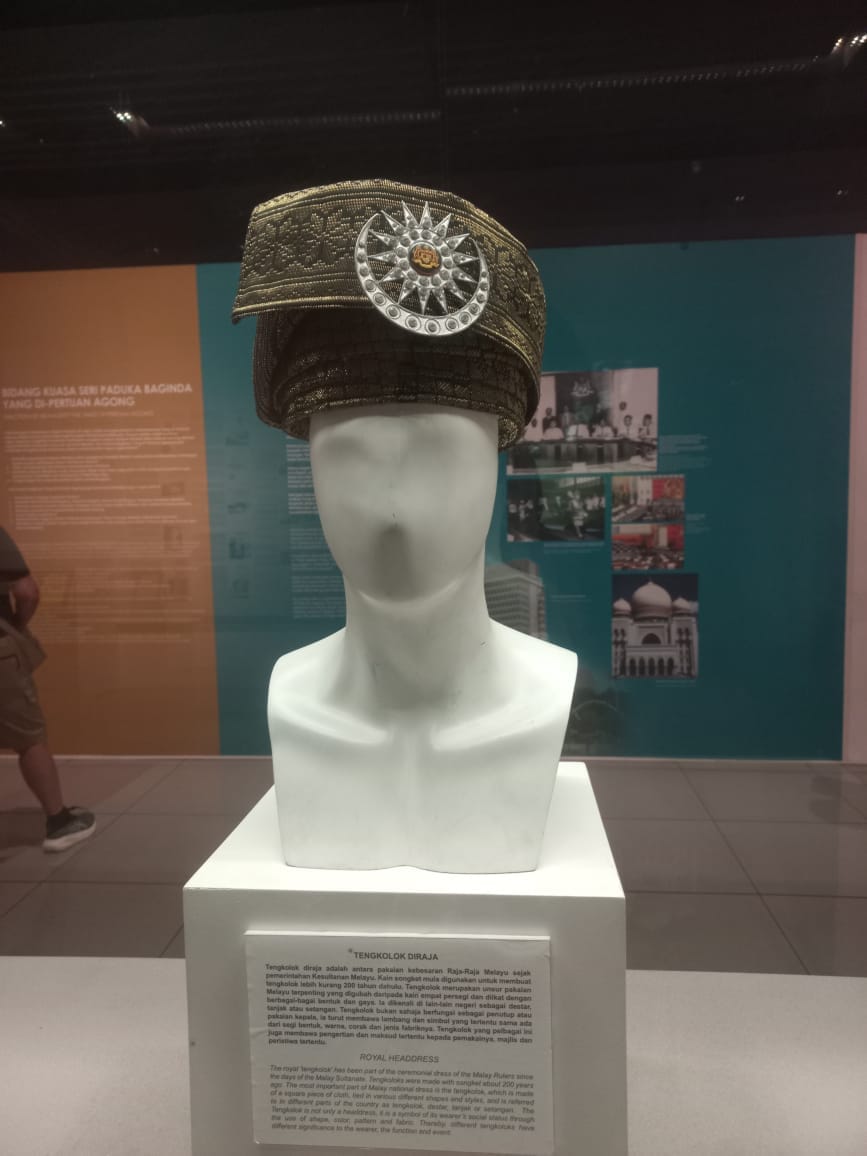
Among the important documents on display is the original copy of the letter of appointment of His Majesty, the XIV Yang di-Pertuan Agong, the Head of State of Malaysia.
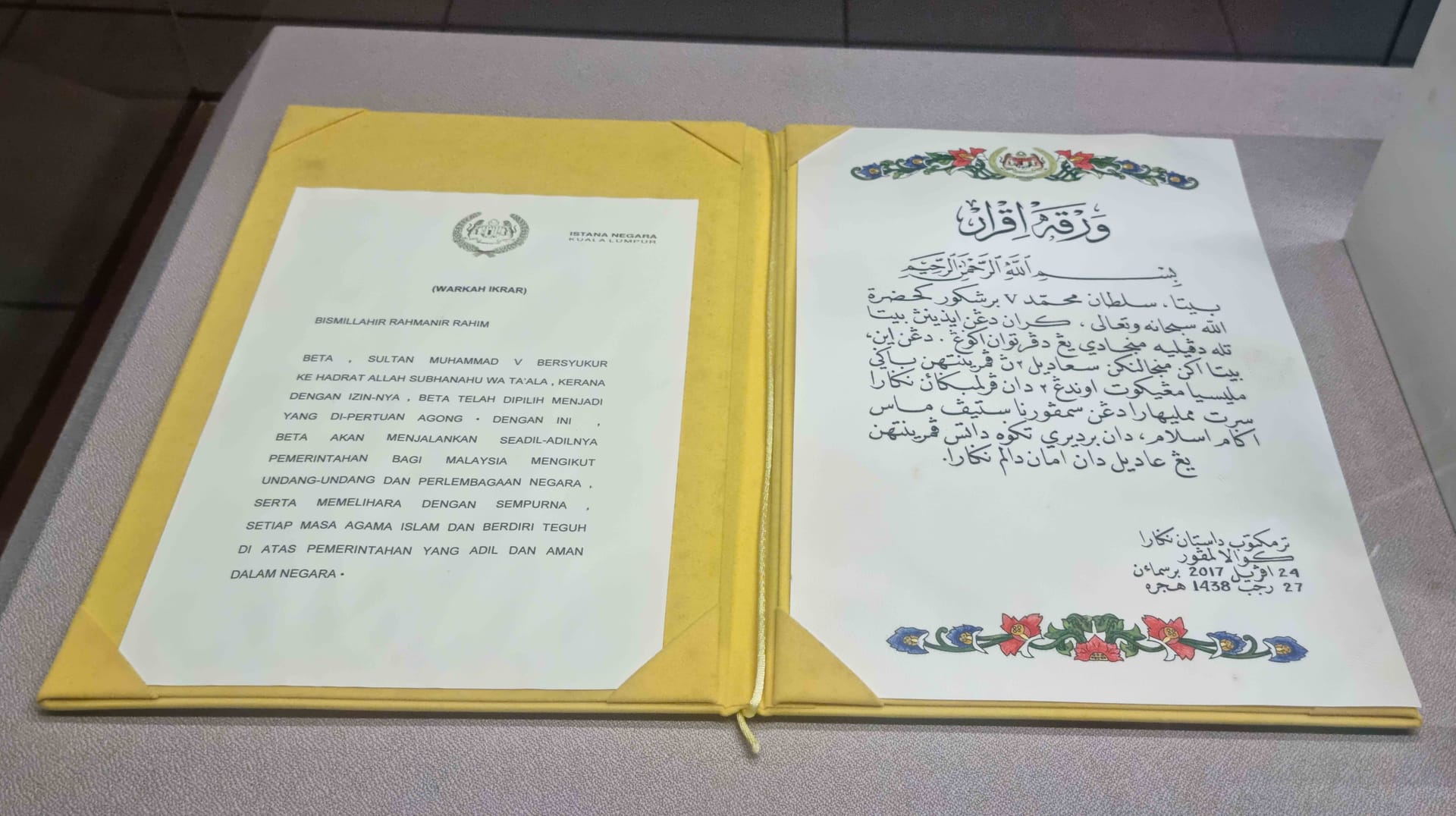
All in all, Muzium Negara is a great (and cheap, and easily accessible) way of learning about our roots beyond the textbooks. Over time, we tend to forget that Malaysia was not born into independence, but rather fought for over hundreds of years.
It's a stark reminder that downfalls can happen at any time (in reference to the colonial years after the golden period of Malay sultanate), but nationalism and patriotism that persevere will always be the foundation of a strong country.
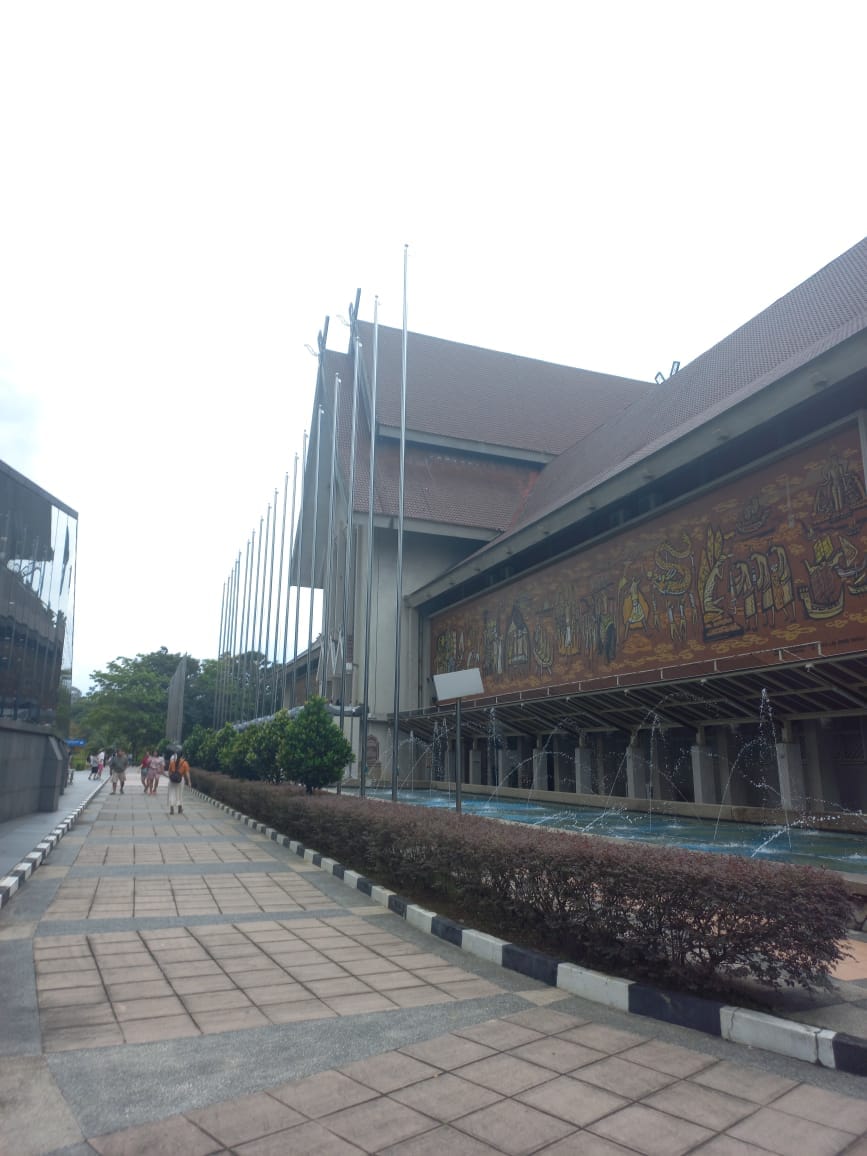
So when you have time during the weekend, take a quick trip down to KL Sentral and visit Muzium Negara! The best way to encourage patriotism is to learn and understand more about our country and what makes us unique.
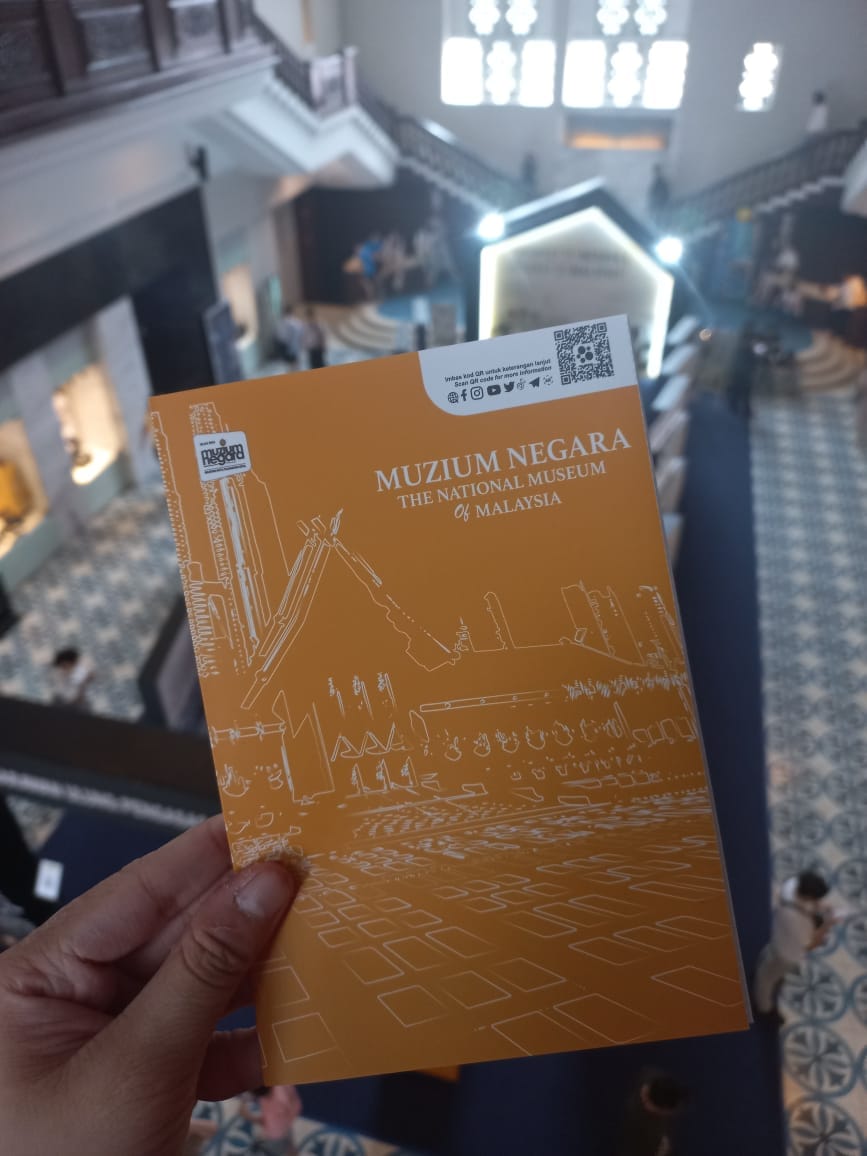
Tip: there are visitor leaflets that you can get from the guard's corner at the left side once you enter. The leaflet details each gallery and is beautifully designed - a nice (and free!) souvenir to take home in commemoration of your visit.

Share hidden facts about Malaysia and stand a chance to win prizes worth up to RM4,300! Find out how to join here. T&Cs apply.
C Chai (crystal.chaijeecheng@gmail.com) is a content creator under the Newswav Creator programme, where you get to express yourself, be a citizen journalist, and at the same time monetize your content & reach millions of users on Newswav. Log in to creator.newswav.com and become a Newswav Creator now!
The User Content (as defined on Newswav Terms of Use) above including the views expressed and media (pictures, videos, citations etc) were submitted & posted by the author. Newswav is solely an aggregation platform that hosts the User Content. If you have any questions about the content, copyright or other issues of the work, please contact creator@newswav.com.