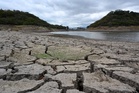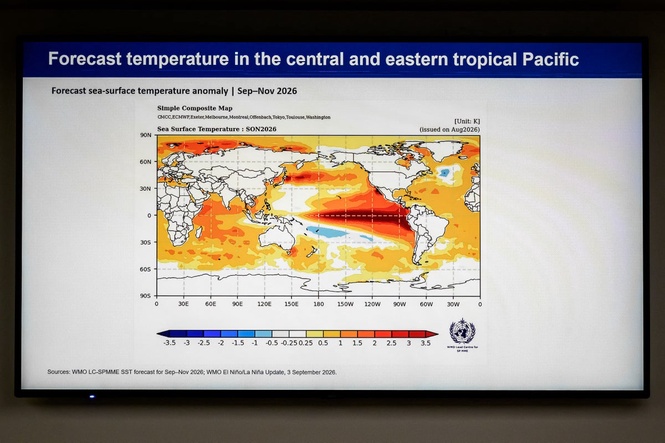
This year’s El Niño is already breaking records months before reaching peak intensity, with the world’s oceans recording 100 consecutive days of unprecedented heat.
El Niño, a natural warming of the eastern Pacific Ocean that shifts weather patterns globally, is already the third-most intense event on record, according to a new analysis.
The temperature rise at the heart of El Niño in the Pacific reached 3.05C on 19 September, the highest daily reading in 150 years of modern measurements, according to Climate Reanalyzer, using data from the world’s top meteorological agencies. That exceeded the previous high of 3.02C in November 2015 and arrived two months earlier in the calendar year than that previous peak.
The figure is measured against the average sea surface temperature between 1991 and 2020. Another measure, ONI, which uses a rolling 30-year average and accounts for human-caused global warming, shows the event sits just a hundredth of a degree below the 2015 record. Both metrics draw on data from the US National Oceanic and Atmospheric Administration.
Averaged over August, the most recent full month for which data was available, the Niño 3.4 anomaly – a specific point in the Pacific used as a reference for the event as a whole – stood at 2.45C. That’s higher than every previous El Niño on record except the 2015-16 event, which peaked at 2.75C, and a reconstructed 1877-78 event which reached 2.7C based on sparse historical ship data.
El Niño events are classed as “weak” when the Niño 3.4 anomaly reaches 0.5C, “moderate” above 1C, “strong” above 1.5C, and “very strong” above 2.0C, climate scientist Zeke Hausfather explained. “For this year’s event, the Niño 3.4 anomaly has now reached 3.07C, which puts it in a statistical tie with the record set on 18 November 2015, set during a ‘very strong’ El Nino event.”
Averaging 14 seasonal forecast models, Mr Hausfather noted in Carbon Brief, the ongoing event was projected to peak at around 4.1C later this year, about 1.3C above the 2015-16 record.
Each of the 674 individual model runs in the latest analysis predicted a new record would be set. No forecasting system had previously been tested against an El Niño of this scale, he said, because none had occurred.
“The current El Niño event, which has been underway since June and is expected to last until next year, has been developing faster than any previous event on record,” Mr Hausfather wrote.
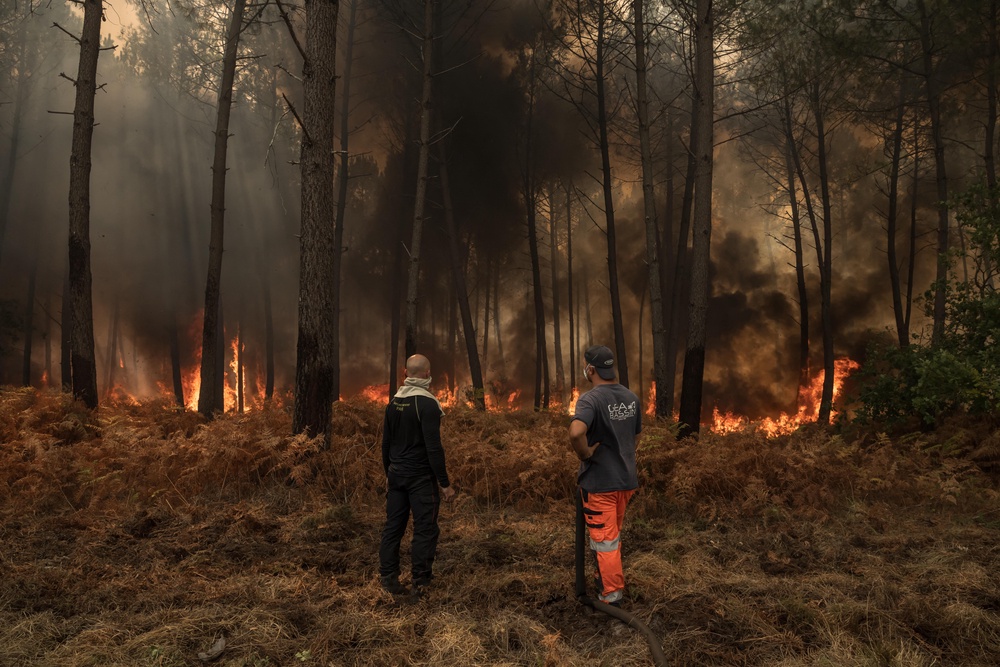
Sea surface temperatures across the world, outside the polar regions, broke daily records every day between 2 June and 10 September, exceeding readings for the calendar date in any year since 1982, according to the Climate Reanalyzer.
The highest reading of 21.1C came on 22 August, according to the EU’s Copernicus Climate Change Service. The Climate Reanalyzer, using data from NOAA, recorded an even higher weekly average of 21.18C in the days that followed.
El Niño is the warm phase of a natural cycle known as the El Niño-Southern Oscillation, which sees trade winds across the tropical Pacific weaken and warm water that normally pools in the western Pacific shift east and rise to the surface.
This raises sea surface temperatures and, with a lag of several months, global air temperatures too. So, most of this event's impact on land is expected to be felt in 2027 rather than this year.
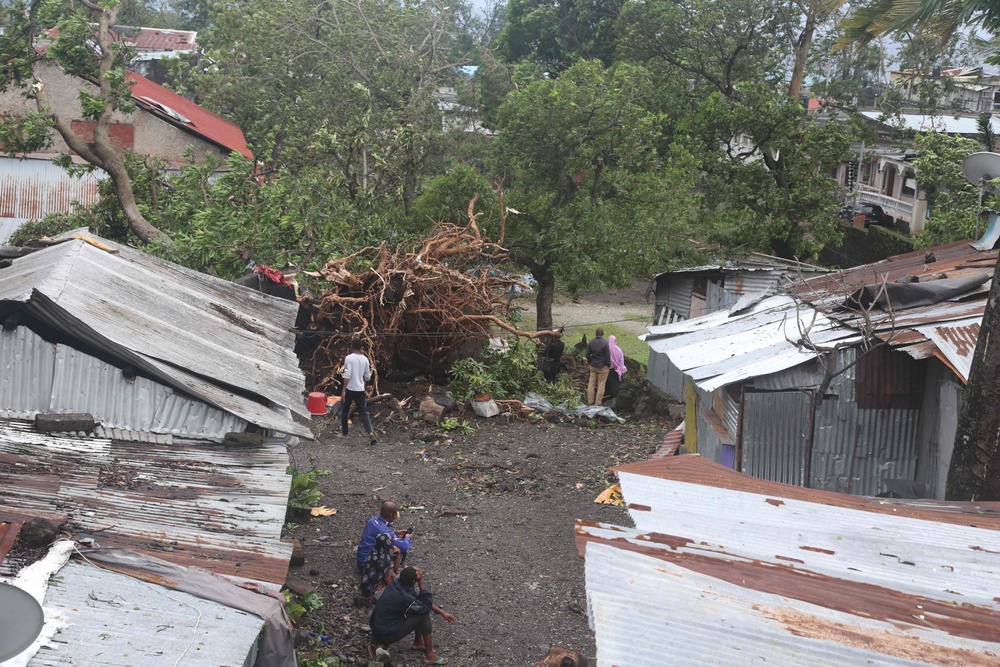
El Nino can have different impacts on different regions. It can increase rainfall in some places and create drought-like conditions in others. This year’s event has been described as a “super El Nino” because of its intensity and existing warming due to the climate crisis.
Zachary Labe, climate scientist at the US-based non-profit Climate Central, told a press briefing on 10 September that the underlying ocean warmth was driven by the human-caused climate crisis, and that more than 90 per cent of the excess heat from burning fossil fuels and greenhouse gas emissions went into the ocean rather than the atmosphere.
"The driver of this record warmth is climate change," he said.
Mr Labe said this heat was not staying near the surface but reaching hundreds of metres deeper, disrupting marine food chains, fisheries and tourism, and adding energy to weather systems like hurricanes.
A UN Environment Programme report found that global temperatures were likely to exceed the 1.5C limit set in the 2015 Paris Agreement within the next few years, the threshold marked by scientists as critical to avoiding the most dangerous effects of the climate crisis.
Read MoreTiny penguin-like sea birds are dying in droves along the California coast
UK accused of ‘cutting corners’ on climate spending as El Nino looms
There could be no Atlantic hurricanes this year – but there’s a catch
England and Wales look to Scotland as drought puts pressure on milk supplies
Danny Dyer, Dani and Becky Hill appear together at sewage protest
The Philippines is swimming in ocean plastic. Could this be the solution?