
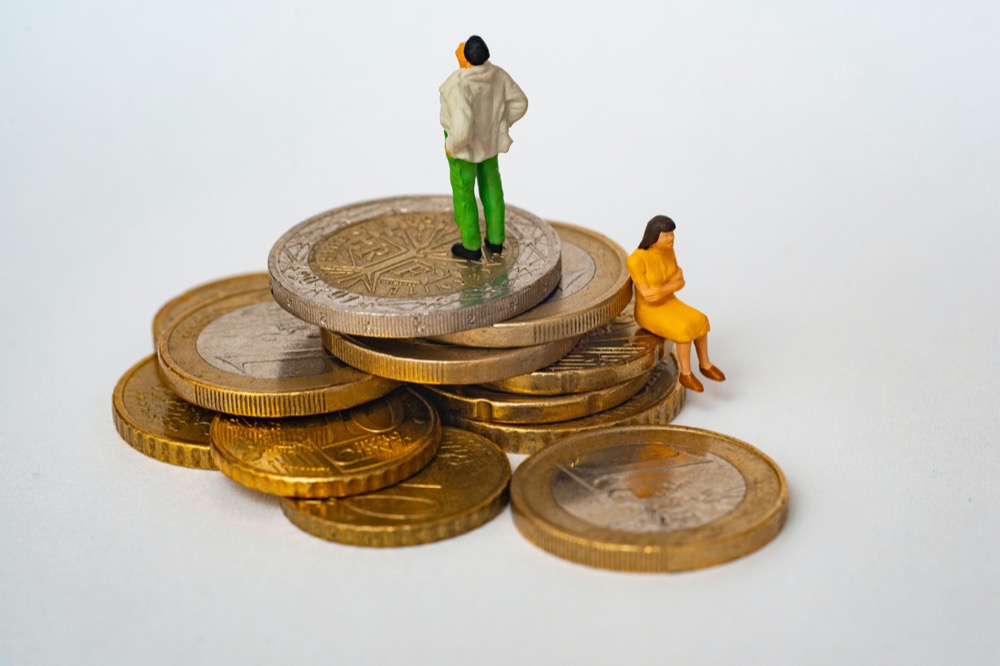
FINANCIAL markets have always gone through cycles of optimism and fear. There are periods when investors feel almost invincible as markets continue rising, businesses expand and economic conditions appear favorable. Then suddenly, uncertainty emerges. Stock prices decline sharply, financial headlines turn negative and investors begin questioning whether their money is still safe.
The reality is that investing becomes emotionally hardest not during bull markets, but during crises.
I realized this more deeply during periods when global financial markets experienced major turmoil. During the 2008 financial crisis, some of the world’s largest financial institutions either collapsed or required emergency support to survive. Investors across the world became fearful because the crisis no longer involved only falling stock prices. The fear centered on whether the financial system itself would remain stable.
Even local investors became anxious after reports surfaced that several Philippine banks had exposure to troubled foreign firms. Although local regulators assured the public that the banking system remained sound, uncertainty still spread quickly because fear itself often becomes contagious during financial crises.
What I noticed during these periods was that investor behavior changes dramatically once markets start falling consistently. During favorable times, many people feel comfortable taking risks. Investors talk about growth, opportunities and future gains. But when losses begin accumulating, emotions often take over. Suddenly, long-term plans are abandoned because short-term fear becomes overwhelming.
This is why emotional discipline is one of the most underrated aspects of investing.
It is easy to say that one is a long-term investor during bull markets. It becomes much more difficult when portfolio values are declining every week and negative headlines dominate the news cycle daily. Investors begin checking their portfolios more frequently, worrying about further losses and questioning whether they should pull out of investments entirely.
I have observed that many investors unknowingly make emotional decisions precisely when they should be thinking most rationally.
One common mistake during market downturns is overexposure to financial noise. Today, information spreads much faster than before. Investors are constantly exposed to social media commentary, market predictions, alarming headlines and endless opinions about where markets may go next. While staying informed is important, excessive exposure to negative news can increase anxiety and lead to impulsive decision-making.
In fact, some investors monitor their portfolios almost every hour during periods of volatility. This often creates more stress than clarity.
Financial markets naturally fluctuate because economies themselves move through cycles. Interest rates rise and fall. Corporate earnings strengthen and weaken. Liquidity conditions tighten and loosen. Because of this, periods of uncertainty are normal parts of investing rather than rare exceptions.
This is why financial planning should always account for volatility beforehand.
One lesson I’ve come to appreciate is that risk tolerance is often misunderstood. Many investors believe they are comfortable with risk during favorable periods because they have never experienced a major decline before. But once markets fall significantly, they suddenly realize that their emotional tolerance for losses is much lower than they initially assumed.
This is where proper financial planning becomes valuable.
Investments should always align with a person’s actual financial goals, liquidity needs and emotional capacity to endure volatility. Investors who need money in the short term should not expose themselves excessively to high-risk investments. Meanwhile, investors with longer time horizons may be better positioned to withstand temporary market declines because they have more time for recovery.
Preparation matters greatly because markets rarely move upward smoothly over time.
One practice that I personally find helpful during volatile periods is limiting excessive monitoring of market movements. Watching investments decline daily can create unnecessary emotional pressure, especially when no immediate action is actually needed. Sometimes, stepping back from constant market updates helps investors regain perspective and avoid emotionally driven decisions.
This does not mean ignoring risks altogether. Prudence and discipline remain important. Diversification, emergency savings, insurance protection and proper asset allocation all help reduce financial vulnerability during uncertain periods. These tools do not eliminate market volatility, but they help investors avoid making panic-driven decisions when emotions are running high.
At the end of the day, investing is not simply about finding the highest returns. It is also about developing the emotional resilience necessary to stay disciplined during periods of fear and uncertainty.
Because in many cases, the biggest threat to long-term investment success is not the market itself, but how investors emotionally react to it.
Rienzie Biolena is a registered financial planner of RFP Philippines. To learn more about personal financial planning, attend the 116th RFP program this June 2026. Email info@rfp.ph or visit rfp.ph to learn more about the program.
