AS September gives way to October, two cancer observances offer one shared lesson. World Chronic Myeloid Leukemia (CML) Day shows how targeted treatment can transform the outlook for many patients. Breast Cancer Awareness Month reminds us that progress must also reach the women, families and communities who need it most.
Their message is simple: discovery is only the beginning. Innovation creates possibility, but accessible, affordable, and continuous care turns possibility into longer, fuller lives.
CML is a powerful example. Its link to the Philadelphia chromosome, formed through an exchange involving chromosomes 9 and 22, explains why World CML Day is observed on Sept. 22. Advances in targeted therapy now enable many people with CML to work, study, care for loved ones, and pursue their goals. Yet treatment is not a single event. Patients may need years of consultations, laboratory monitoring, treatment adherence, and reliable access to medicines.
Breast cancer presents the same challenge at a broader scale. Across Asean, late diagnosis and delayed treatment affect not only health but also household security, workforce participation and economic resilience. Women are often diagnosed while building careers, running businesses, supporting families, and caring for others. When care is delayed, the impact travels through entire communities.
The Philippines has an important foundation in the National Integrated Cancer Control Act. The next step is to make its promise visible in every patient journey: earlier consultation, faster diagnosis, timely referral, financial protection, appropriate treatment and sustained support. People should not lose precious time navigating avoidable gaps between medical guidance and actual access.
Patients and families also have a role. Knowing personal risk, seeking medical advice when changes appear, keeping appointments, asking questions and turning to trusted patient groups can make the path less isolating. Employers can help through supportive workplace policies, while communities can strengthen awareness and referral networks.
For government and industry, access to cancer innovation should be seen not only as a cost but as an investment in human potential. Faster, transparent health technology assessment, stronger financial protection, dependable patient registries and regional regulatory cooperation can reduce delays and help safe, effective care reach patients sooner.
Asean can amplify these efforts by deepening cooperation on health technology assessment and regulatory standards, with breast cancer as a practical priority. A broader view of value should consider patients, caregivers, workforce participation, health-system capacity and unmet need — not price alone.
This is an area where Philippine-Swiss collaboration can make a meaningful difference. Switzerland contributes strengths in science, research, precision medicine, and health innovation. The Philippines brings formidable health care capability through its highly skilled doctors, nurses and allied health professionals, alongside committed patient communities, growing technical expertise and deep knowledge of local realities. Together, government, industry, health care professionals, researchers and patient groups can combine these strengths to build trusted, resilient systems of care.
The goal is bigger than treating disease. It is enabling people to remain connected to their families, livelihoods and aspirations. Every earlier diagnosis, completed treatment, protected household, and supported survivor is evidence that better systems are possible.
When we empower patients with knowledge, access and continuity of care, medical progress becomes shared progress — and hope becomes something people can act on.
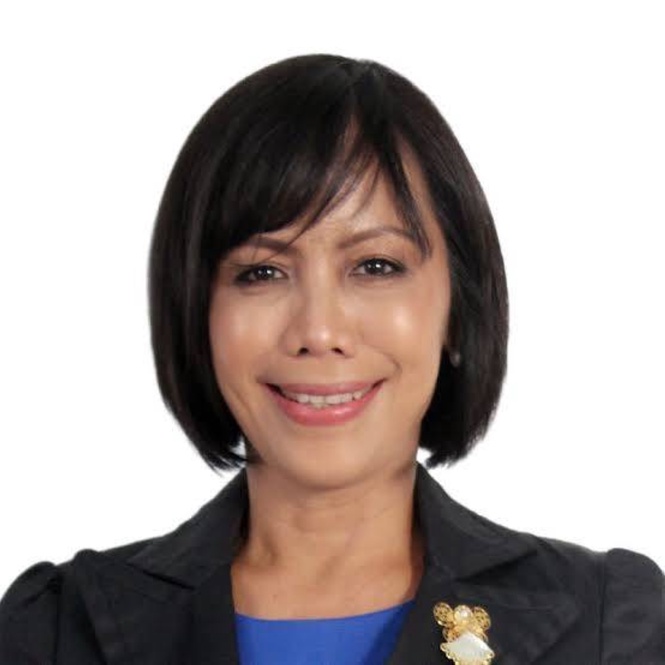
Christine Fajardo is the executive director of the Swiss Chamber of Commerce of the Philippines (SwissCham).