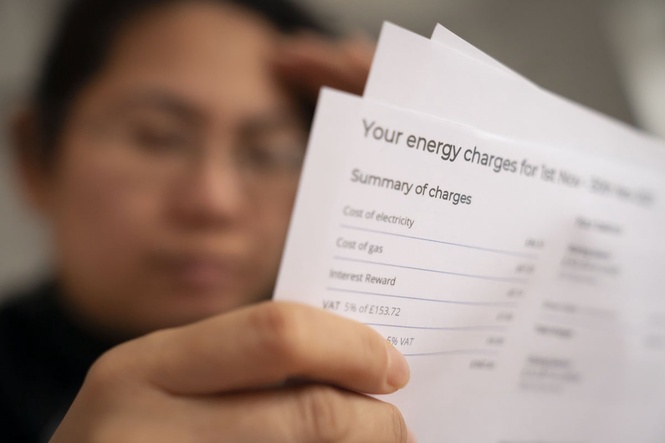
The energy price cap will rise by 26 per cent from 1 January for a typical household in England, Scotland and Wales, the energy regulator has said.
Ofgem said the price cap will rise by £443 per year – or £36.91 per month – to £2,166 for the average household using both electricity and gas if this level was sustained for a year.
The bleak outlook for energy bills comes after escalating violence in the Middle East sparked a fresh jump in oil and gas prices through October, amid deepening fears of gas supply levels in Europe.
Wholesale prices have since eased back, helping to support a reduction in petrol prices – but it was too late to affect the calculation for the new price cap.
The hike, which will leave the cap at its highest level in four years, comes on top of already high energy costs, with the price cap having increased by 4 per cent at the start of last month.
Households will ultimately see a rise in bills even once receiving a government payment of £100 towards their bills from next year.
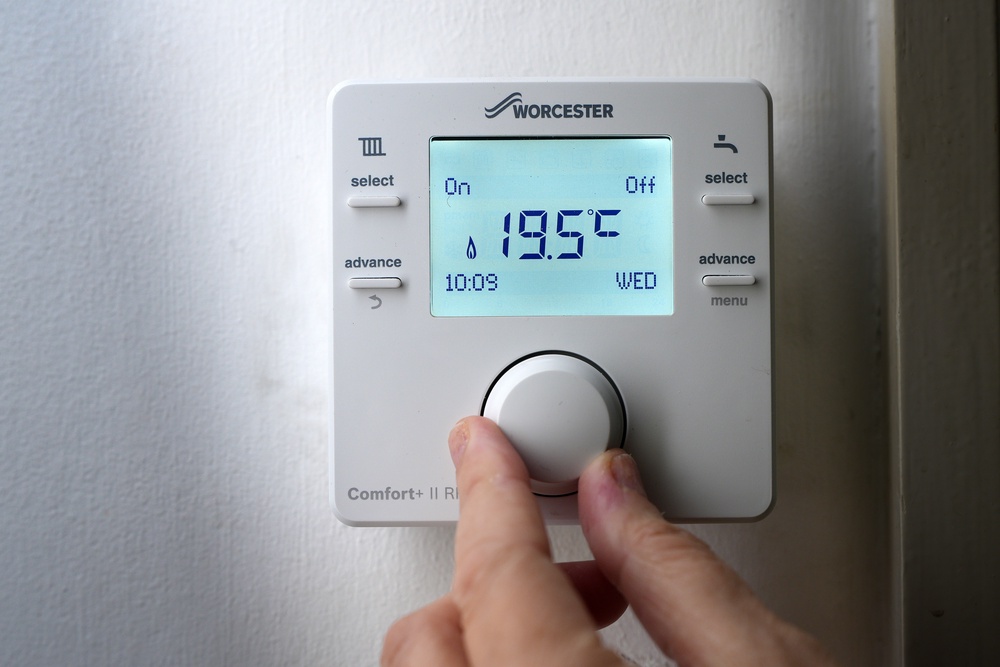
Why are prices going up?
The rise in energy bills in the new year is largely due to disruptions to the supply of gas brought about by the escalating conflict in the Middle East.
Wholesale gas prices surged in October due to mounting tensions between the US and Iran, with European natural gas prices reaching their highest level since the 2022 invasion of Ukraine.
This also meant suppliers in Europe and the UK buying gas ahead of the winter were forced to spend more, and will now charge customers more for those expensive supplies.
Gas prices have eased a little since October, but it was too late to stop the January increase.
When will prices rise and who is affected?
The energy price cap will rise by 26 per cent on 1 January 2027, and will impact households who do not pay for their gas and electricity on a fixed rate tariff.
Around 22 million households are not on fixed rate deals, and are governed by the price cap. They have seen prices soar since the start of the conflict in Iran in February, with the price cap rising by 13 per cent in July and 4 per cent in October.
Around one third of households are on fixed rate tariffs, and are therefore not impacted by the energy price cap.
What is the government doing to help households?
The government has announced a series of measures to help households struggling with the cost of living this winter.
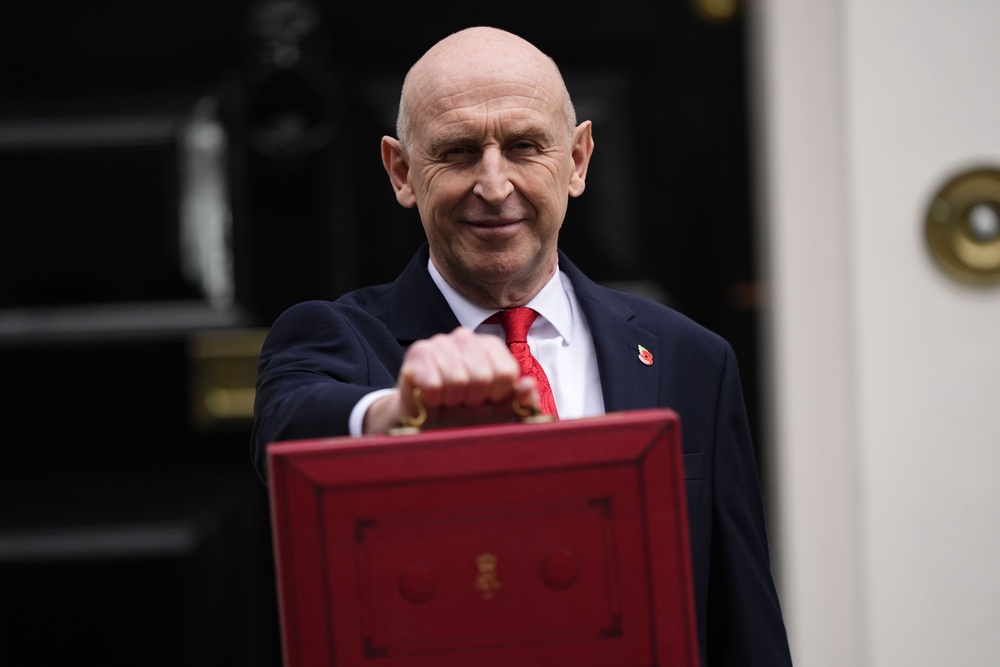
Chancellor John Healey said up to 20 million households in England on council tax bands A to D will receive £100 towards their energy costs from January as a one-time contribution to energy bills.
The payment for up to 20 million households also comes alongside a temporary 5 per cent VAT cut from electricity bills until June next year.
Mr Healey also announced in his autumn budget that gas standing charges will be scrapped in England, Scotland and Wales.
But campaigners have said that current support will still leave millions of people facing a surge in their bills.
Emily Seymour, Which? Energy Editor, said the price cap is a “devastating blow” for millions of households struggling with the cost of living.
Energy Secretary Miatta Fahnbulleh said there is “more to do” to take the pressure off families this winter.
“I know people are deeply concerned by another rise in energy bills,” she said. “For too long, British families have been paying the price for conflicts overseas and volatile fossil fuel markets.”
She added the UK must invest in “cheap, clean, homegrown power” so the country is less reliant on expensive fossil fuels.
Neil Kenward, Ofgem’s director general for markets, said: “Conflict in the Middle East continues to drive energy costs higher, and we know this price increase will be a worry for many households as winter approaches.
“We urge anyone who is struggling to afford their energy bills to reach out to their supplier, who must offer appropriate support and advice – we are writing to suppliers today to remind them of their obligations and ensure they are ready to provide that support.”
Equalities minister Bridget Phillipson said she recognises the 26 per cent rise in the energy price cap will cause “real worry”, adding the UK must invest in “cheaper, homegrown energy”.
Ms Phillipson told Times Radio: “I think it underlines how important it is that we move away from the exposure that we have when things happen across the Middle East and in other parts of the world that then have a knock-on effect for families here.
“We’ve got to be less exposed in the future. We need to invest more in cheaper, homegrown energy, so that when those events do occur, families here are less exposed to those price fluctuations.”
Misery for households as energy bills to jump 26% in January
‘Staggering’ increase in energy price cap sees call for ‘urgent’ action
The energy price cap is rising by £443. Here’s all the financial help on offer
John Stones faces speeding trial in 2028 after hiring ‘Mr Loophole’ lawyer
Nationwide launches 1% deposit mortgage scheme for first-time buyers
Widow sues P&O owner after husband fell ill on cruise ship and died