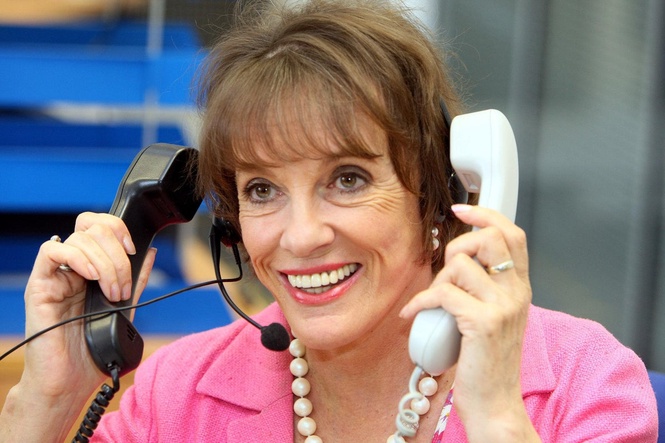
Instantly recognisable for her beaming smile and untiring passion for campaigning, Esther Rantzen established herself as a titan of British broadcasting.
Serving as both presenter and producer of the BBC’s That’s Life! across more than two decades, she dominated Sunday evening television, regularly drawing audiences of more than 20 million viewers.
She co-created the pioneering show, which uniquely combined hard-hitting consumer rights journalism with comedic sketches, satirical songs, and lighthearted public interviews.
Investigations broadcast by the programme covered everything from unscrupulous sales reps and malfunctioning washing machines to systemic child sexual abuse by staff at a boys’ boarding school, which resulted in the institution being shut down.
The series served as the platform from which Rantzen established ChildLine – the confidential counselling service for young people in distress – after her on-air request for public assistance with a survey into child abuse produced an overwhelming deluge of responses.
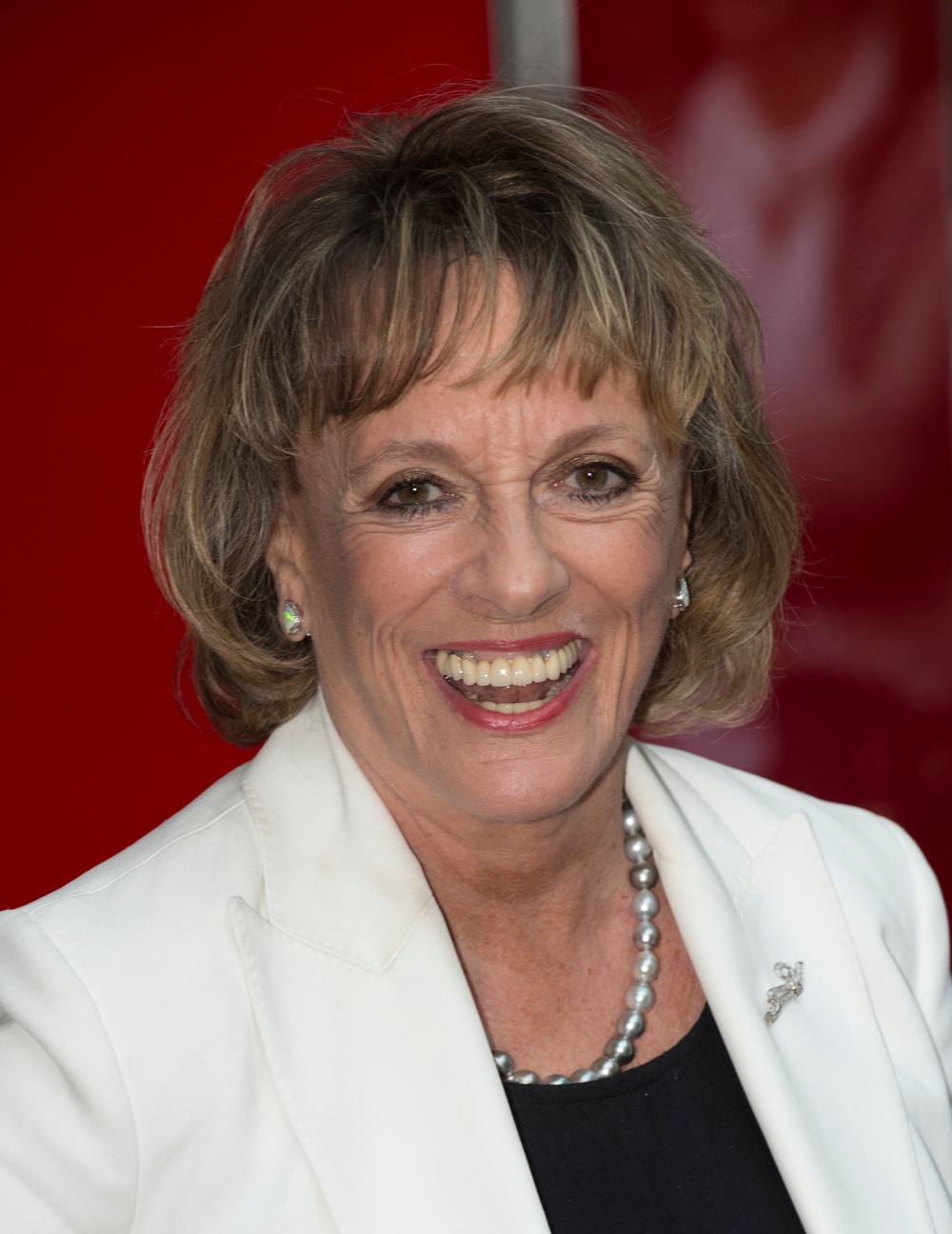
Simultaneously, the broadcast gained fame for featuring quirky poetry, gifted toddlers, suggestively-shaped vegetables, and a canine capable of saying "sausages".
Striking such a balance was by no means straightforward, as she later reflected.
"We had to learn how to change gear," she later said.
"When you are talking about the life and death of a toddler who could only be saved by a transplant, you couldn’t immediately then go into a song and dance, or a talking dog. It’s quite difficult."
Nevertheless, it was a delicate equilibrium she sustained with remarkable skill.
Following the conclusion of the flagship series in 1994, her broadcasting career and public advocacy endured through her own talk show and participation in popular entertainment formats such as Strictly Come Dancing and I’m a Celebrity… Get Me Out Of Here!.
In 2012 – 26 years after founding ChildLine – she set up The Silver Line, a similar helpline designed to combat loneliness and isolation among older demographic groups, an initiative partly stemming from her personal grief following the death of her husband, Desmond Wilcox.
Upon receiving a lung cancer diagnosis in 2023, she threw her energetic support behind the campaign to legalise assisted dying for individuals diagnosed with terminal illnesses.
Although she personally registered with the Dignitas assisted dying facility in Switzerland, she was ultimately forced to abandon her plan to travel there after becoming too ill to make the journey.
Following the rejection of a private member’s bill proposing legislative reform in England and Wales in September 2026, she described the outcome as a "tragic day", lamenting that people would be denied choices available to citizens elsewhere across the world to bring an end to their suffering.
Esther Louise Rantzen was born on June 22 1940 in Berkhamsted, Hertfordshire, the elder of two daughters raised within a Jewish family.

Her father worked as an electrical engineer, and she was educated at the North London Collegiate School, an independent school for girls, before winning a place to read English at Somerville College, Oxford.
During her university years, she actively pursued her passion for acting, performing with the university dramatic society, serving as secretary for the experimental theatre club, and joining a local theatrical group.
Upon graduation and subsequent secretarial training, her initial entry into the BBC was as a trainee sound effects assistant.
Having worked as a researcher across various current affairs broadcasts, her major break came when she joined the consumer affairs show Braden’s Week and the producer decided to feature the researchers on screen.
Following presenter Bernard Braden’s departure back to his native Canada in 1972, Rantzen was selected to host and produce a replacement programme built along similar lines – leading to the birth of That’s Life!.
While retaining Braden’s blend of serious and lighthearted items, the new format elevated the concept to new heights, building a vast following and establishing Rantzen as one of the most familiar faces on British television.
One of the programme’s landmark editions aired in 1988, when it brought together 79-year-old Nicholas Winton with an auditorium filled with some of the 669 predominantly Jewish children whose escape from Nazi-occupied Czechoslovakia he had engineered 50 years earlier.
Mr Winton broke down in tears after Rantzen initially asked if anyone present owed their lives to him, prompting around two dozen audience members to stand, and then asked if anyone was a child or grandchild of someone who owed their life to him, at which point the rest rose to their feet.
He was subsequently knighted in recognition of his achievements.
Campaigns spearheaded by the programme successfully brought about mandatory safety surfaces in children's playgrounds, statutory seat belt regulations for child vehicle passengers, and a dramatic rise in organ donations after highlighting the story of two-year-old Ben Hardwick, who was dying of liver disease.
Following the murder of toddler Heidi Koseda, who was left to starve inside a locked bedroom, Rantzen urged BBC executives to air a dedicated special encouraging viewers to participate in a survey if they had suffered child abuse.
An emergency helpline activated after the broadcast was overwhelmed with contact – upwards of 50,000 calls were attempted on that night alone – predominantly from children currently experiencing sexual abuse.
"I will never forget walking into my office the morning after the programme to meet the social workers who had been running the helpline," Rantzen recalled.
"I knew in that moment that working to help protect abused children was more important to me than any of my previous work. As I heard about these hidden children, all guarding a terrible secret, I passionately wanted to be able to help them.
"And I realised that if we could keep our lines open throughout the year, we might be able to help hundreds, maybe thousands more children."
This directly inspired the establishment of ChildLine, supported by initial funding of £25,000 each from the Variety Club and the Department of Health, while BT provided a freephone line – 0800 1111 – that would not appear on telephone bills.
Staffed by volunteer advisors – including Rantzen herself – the service went on to offer confidential guidance to more than 4 million young people before eventually merging with the NSPCC in 2005.
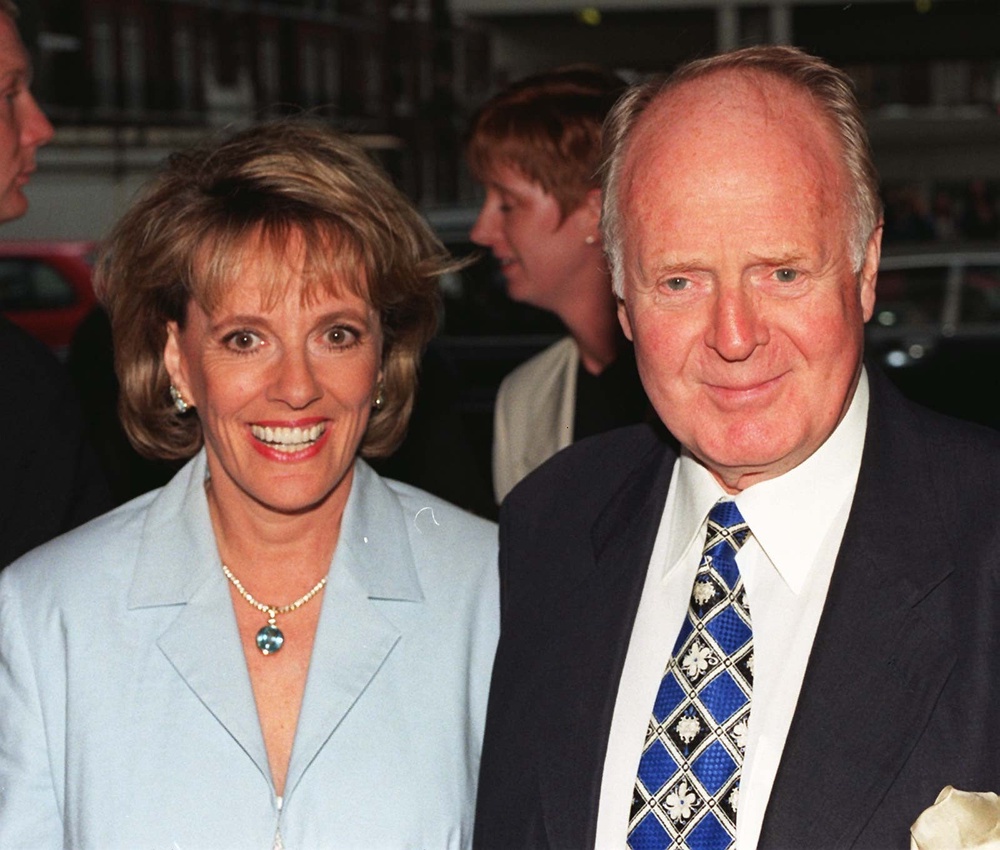
Rantzen’s trajectory at the BBC was not entirely without controversy. In 1968, she began a relationship with documentary maker Desmond Wilcox, who was head of her department. He was also married to her close friend Patsy, with whom he shared a child.
The ensuing public attention reached a head in 1977 – just as That’s Life! was reaching peak viewing figures – when Rantzen became pregnant and Patsy finally agreed to a divorce.
The fallout led to Wilcox resigning his position at the BBC, while Patsy never forgave her former friend for what she regarded as a betrayal. Rantzen and Wilcox were married a month before their first child was born.
Reflecting on the relationship years later, Rantzen said: "Our marriage lasted and we have three wonderful children, so I don’t regret it. But I wish it had happened differently."
Beyond That’s Life!, she was involved in producing entertainment formats such as Hearts Of Gold and The Big Time, which famously discovered Scottish vocalist Sheena Easton.
She was deeply affected by Wilcox’s death in 2000, writing movingly about her experience of loneliness, which ultimately helped inspire the creation of The Silver Line.
She subsequently produced the documentary How To Have A Good Death, following patients and their families through palliative care services while examining end-of-life options.
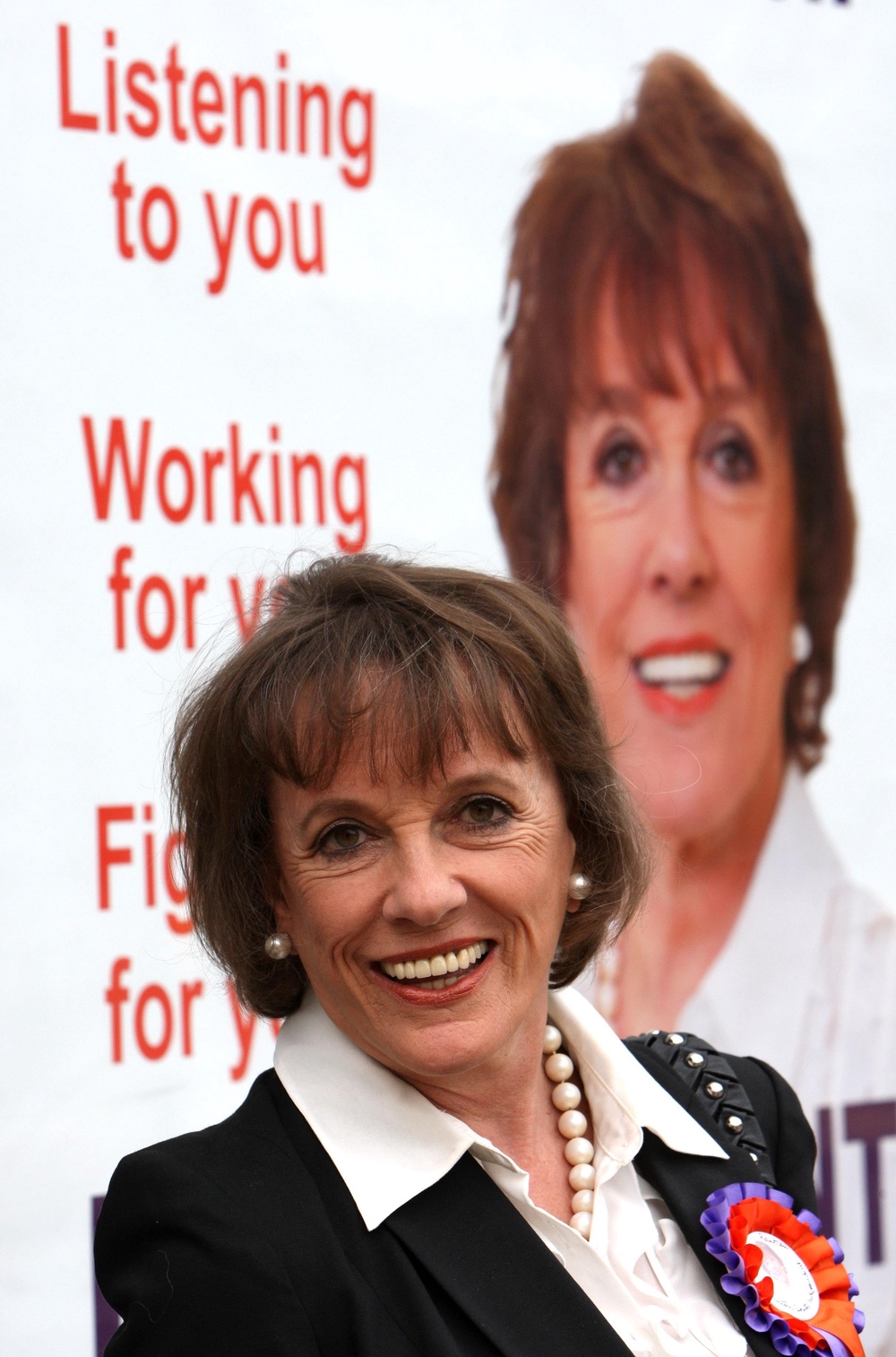
In 2009, prompted by the parliamentary expenses scandal, she briefly entered politics, declaring her intention to contest Luton South if incumbent Labour MP Margaret Moran – who faced heavy criticism for claiming £23,000 to eliminate dry rot at her second home in Southampton – stood for re-election.
Two days later, Ms Moran confirmed she would not run, but Rantzen stood regardless as an independent candidate in the general election the following year.
She was unable to emulate the political breakthrough of former BBC war reporter Martin Bell – who won election 13 years earlier following the cash-for-questions scandal – losing her deposit after receiving just 1,872 votes.
In 2011, Rantzen revealed that she had been sexually abused as a teenager by an older male who was not a family member, adding that her mother had not really believed her when she attempted to explain what had occurred.
She insisted, however, that the personal trauma was not a factor in her founding ChildLine.
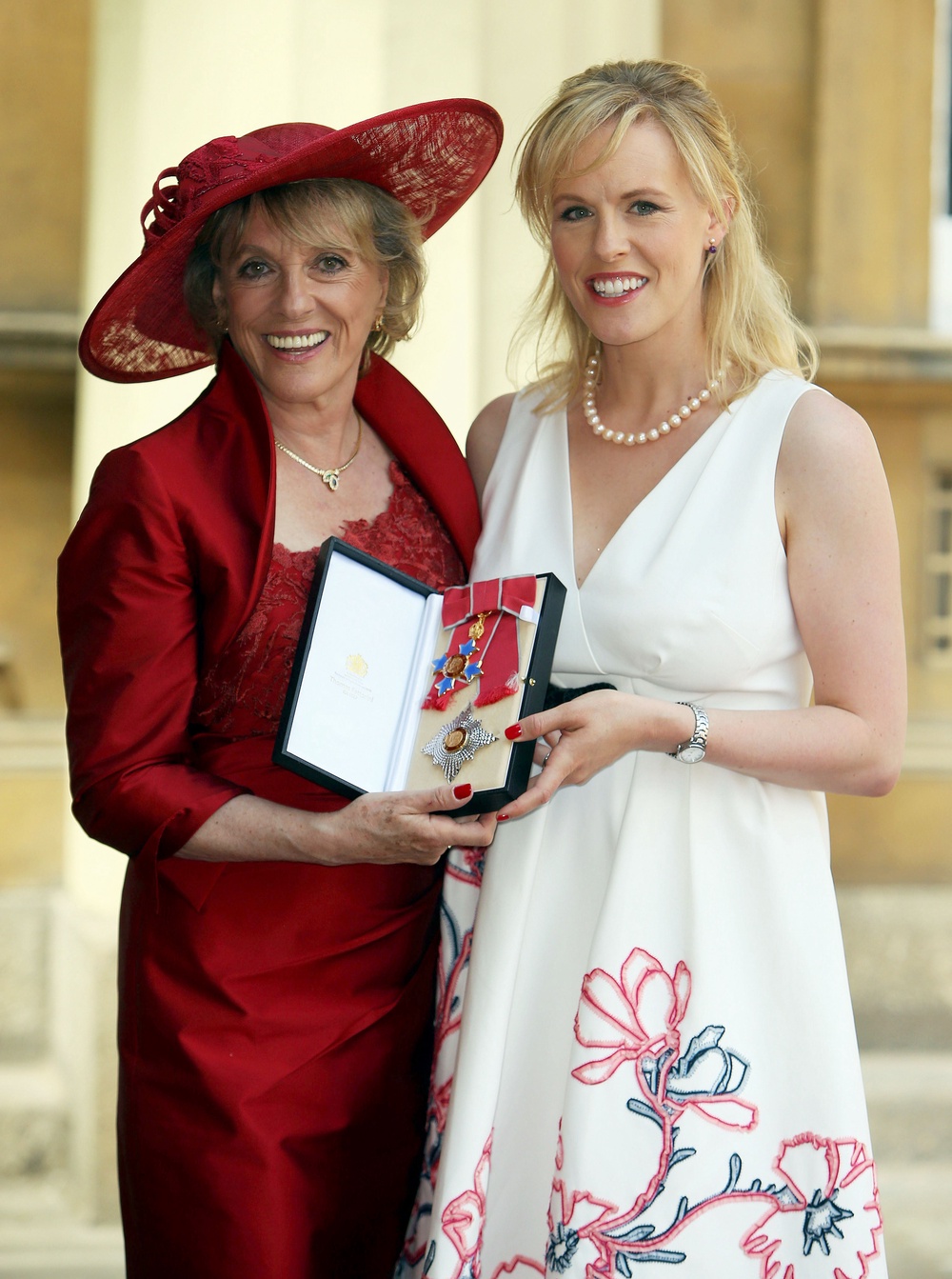
In 2015 she was made a dame in recognition of her services to children and older people, having previously been awarded an OBE in 1991 and a CBE in 2006.
In January 2023, she publicly disclosed her diagnosis of lung cancer, stating she found it difficult "to skulk around various hospitals wearing an unconvincing disguise, and because I would rather you heard the facts from me".
When Labour MP Kim Leadbeater introduced a private member’s bill to legalise assisted dying in England and Wales in 2024, it reignited Rantzen’s campaigning spirit as she became one of its most vocal and prominent advocates.
She explained her belief that she and others in her position should have the option of shortening their death, not least to spare their families from seeing them "suffering pain or indignity".
Earlier this year, she revealed that the "miracle drug" keeping her alive was no longer effective, acknowledging she would not live to see the change she believed was ultimately inevitable pass into law.
Read MoreBritish broadcaster and campaigner Esther Rantzen dies at 86
Elaine Paige and Lorraine Kelly lead tributes to ‘pioneer’ Esther Rantzen
Dame Esther Rantzen’s family pay tribute to ‘our sunshine’ after her death at 86
TV presenter and assisted dying campaigner Dame Esther Rantzen dies aged 86
DUP’s Robinson claims Sinn Féin is trying to ‘goad’ him into collapsing Stormont
Badenoch: Triple lock is ‘current’ Tory policy and in ‘draft manifesto’