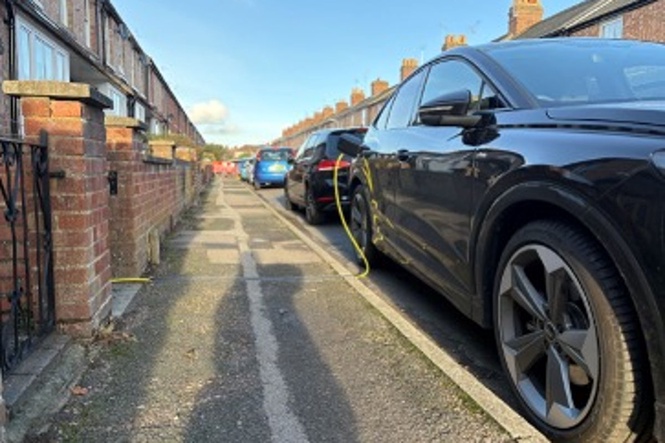
Charging an electric car at home could become up to £300 cheaper to arrange for drivers without a driveway, following a change to planning rules. But there’s still a catch: your council can refuse to let you install the pavement channel that makes it possible.
The changes, which come into effect in England today, remove the need for a planning application for qualifying cross-pavement charging installations and their home chargers. These use a safe and secure channel set into the pavement to carry a charging cable between a property and a car parked on the street, giving drivers a way to use their household electricity supply even when their car can’t sit on a driveway. The cable is tucked into the pavement channel, keeping the route clear for people walking past.
Buses and local transport minister Simon Lightwood said: “We’re saving drivers up to £300 off the cost of installing home charging by cutting unnecessary red tape.”
The £300 figure is a potential saving from removing the planning requirement, rather than a new cash grant towards the charger. Drivers still face the cost of the equipment and installation, subject to any separate grant funding they qualify for.
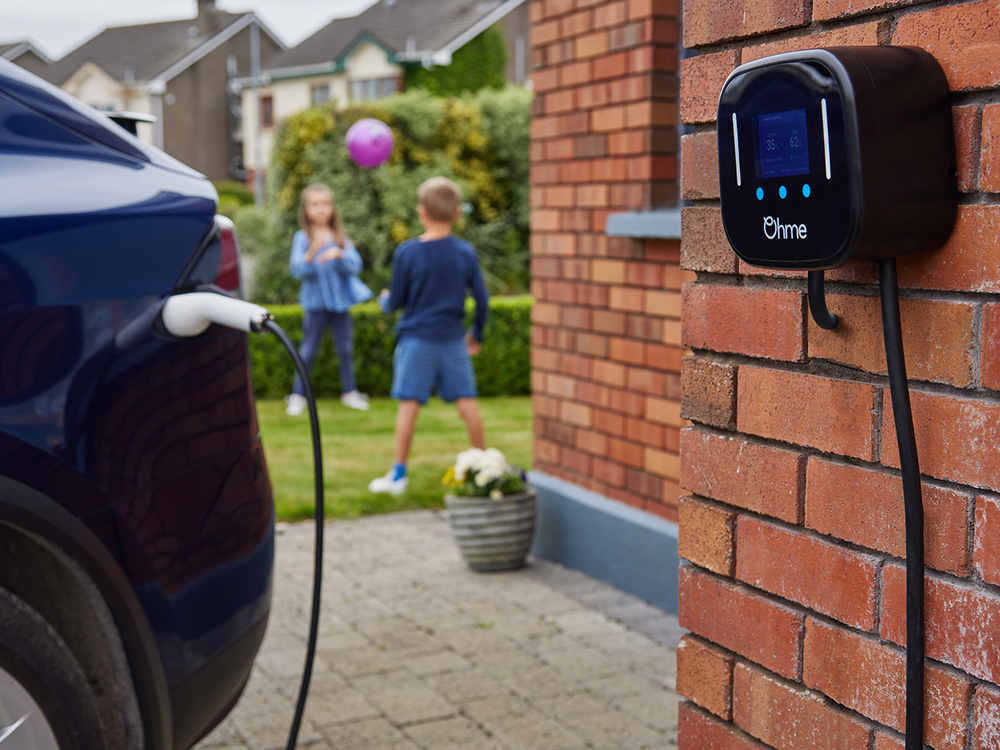
However, planning permission is only one part of getting a gully installed. The local highway authority still must authorise use of the pavement, and permission for the street works is still required. Removing the planning application doesn’t remove those separate checks or oblige councils to approve installations.
The government has confirmed that councils retain powers to prevent installations where a location is unsuitable or safety and accessibility would be compromised. So, access to cheaper home charging remains something of a postcode lottery.
Ealing Council, for example, currently says it doesn’t permit cross-pavement charging. It points to concerns about safety, liability and costs for residents and the authority, and says it isn’t ready to trial gullies before further work on how kerbside space is used.
Other councils are opening the door to pavement charging. Kirklees Council in West Yorkshire, which covers Huddersfield, Dewsbury and Batley, approved a 12-month trial on 6 October, with applications due to open later this year. It plans to work with Kerbo Charge and expects to receive up to £330,000 to subsidise installations, although that funding is still being agreed.
There are limits within the new planning rules, too. Cross-pavement channels in conservation areas, within the grounds of listed buildings or at scheduled monuments don’t qualify for the new permitted development right. Households in those locations can’t assume the planning hurdle has disappeared.
The Independent has previously covered Kerbo Charge and the barriers facing drivers without driveways. Backed by Dragons’ Den investor Deborah Meaden, the company supplies a channel with a self-closing lid that holds a charging cable beneath the pavement surface.
Reading Borough Council already accepts applications through Kerbo Charge, assessing whether each property is suitable before giving permission. Its approach shows that access is possible, but also that the bill involves more than simply buying a charger.
Reading lists an estimated pavement-channel installation cost of £1,054.80, including VAT, plus a £75 licence fee. Where relevant funding is available and residents meet the requirements, their contribution falls to £500 plus the licence fee. Wider pavements or more complicated work can cost more. There’s an ongoing charge, too: Reading says residents must pay £4.99 a month for maintenance once the two-year warranty ends. A channel also doesn’t come with a reserved parking space outside the house, so drivers still need to find a suitable spot within reach.
For those who can get connected, the government says home charging can cost as little as 2p per mile depending on energy tariff and car.
The announcement follows what the government describes as a record September for electric car sales, with nearly 100,000 sold, up 36 per cent year on year. It says more than 190,000 drivers have now benefited from the Electric Car Grant, offering discounts of up to £3,750.
The planning changes also allow more space for the electrical equipment supporting public chargers, helping operators install larger, more powerful charging hubs.

Meanwhile, ministers have opened a separate consultation on making it easier for tenants and leaseholders in England to get permission for a home charger. It focuses on homes with off-street parking, where residents can still face difficulties securing a landlord’s or freeholder’s agreement, even when they’re paying for installation themselves.
Options include clearer guidance and legal requirements to make the process more consistent and prevent unreasonable refusals. These are proposals, so tenants aren’t being given an automatic new right to install a charger today.
Another consultation considers extending charging requirements to covered car parks in new buildings and those undergoing major renovations. Both consultations close on 16 December.
Sign up to Steve Fowler’s weekly DriveSmart newsletter for all the latest car news, reviews and insider tips
Mercedes-Benz C-Class Electric review: So many stars it feels like you’re in a sports bar
Whatever you think of Elon Musk's politics, his car company is something else
Porsche goes gunning for Ferrari as Mission S previews new mid-engined super sports car
First look inside the award-winning new Chinese Land Rover Defender lookalike
BYD unveils seven-seater EV that charges in just nine minutes
Oxford University and Polestar put electric car thrills to the test
Renault boss reveals inspiration behind the new Scenic
Mercedes C-Class Electric review: Drives like a Merc, feels like you’re in a bar