Cold weather is coming, and it’s going to be costly.
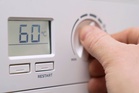
Heating bills are expected to rise 7.1 percent this winter, pushing up the average bill by $66 this year from 2025, according to a report released Wednesday by the National Energy Assistance Directors Association.
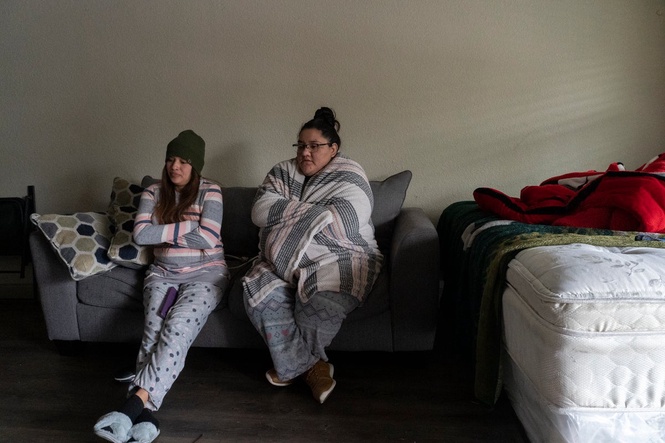
The increase is enough to put a staggering number of families at risk, executive director Mark Wolfe said.
“For low- and middle- income families, [the price increase] can be devastating,” Wolfe said. “Millions of families are falling behind on their utility bills and facing the risk of shutoffs because they cannot afford to keep their homes warm.”
The outlook is even bleaker for the roughly 5 million households that rely on heating oil to keep them warm. President Donald Trump’s war with Iran has restricted the world’s oil supply, which will cost heating-oil homes an average of $1,223 more this year than in 2025, the National Energy Assistance Directors Association estimated.
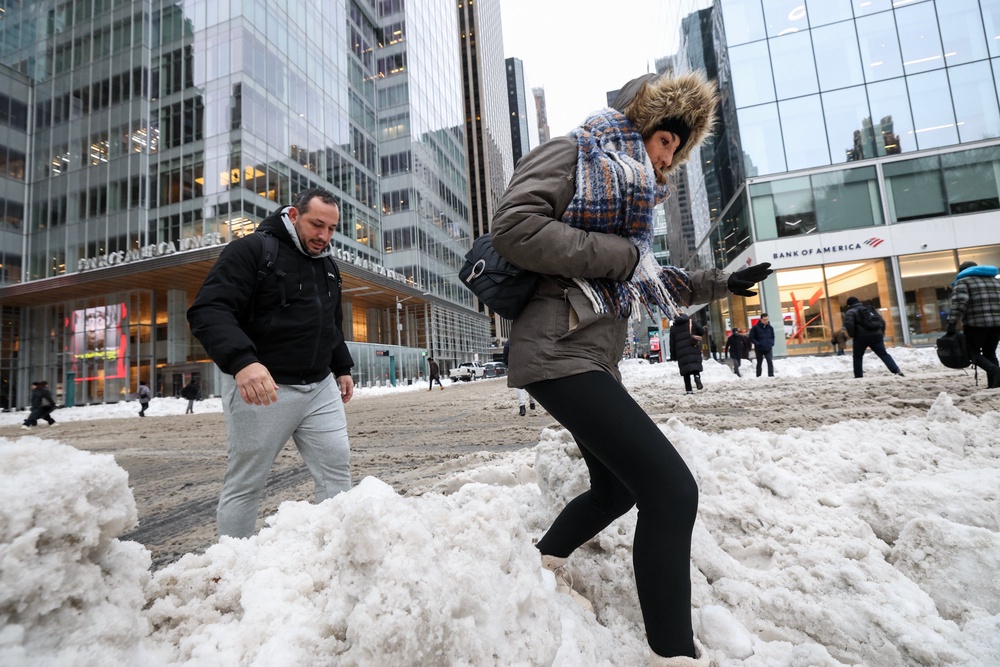
Natural gas costs will remain the same as 2025, the report noted, while electricity bills will rise 6 percent year-on-year and propane costs will jump 5 percent.
The energy association lowered its overall price projection down from 8.7 percent in late September thanks to a “super” El Niño climate pattern that is expected to reduce heating use in the winter months.
However, persistently high oil prices have pushed heating oil costs up from a projected 50 percent in September to 70.2 percent.
The energy association’s report compounds the financial weight consumers have felt from Trump’s foreign policy decisions. An oil shortage, linked to the Iran war, made gas prices 37.5 percent higher in October 2026 than the year before, according to federal inflation data.
The president's tariffs against foreign trade partners have cost consumers an extra $900 per year, according to November data from Yale University’s Budget Lab.
Read MoreHoping for a rapid drop in gas prices after the midterms? It’s unlikely
US sees unexpected jobs boom in October despite Americans' frustration with economy
US job market stuck in low-hire trap as inflation silently drains family paychecks