
PETALING JAYA: New rules for the Malaysia My Second Home (MM2H) programme are turning out to be unwelcoming for prospective applicants, with 1,461 participants withdrawing from the programme.
Responding to the state of affairs, Sunway University economist Dr Yeah Kim Leng said the government should conduct a comprehensive review to make it more convenient for expatriates to live in Malaysia.
He said it should consider the expatriates’ overall contributions rather than focus on their incomes, as further withdrawals will only affect the country’s economy, which has not fully recovered from the pandemic.
“The government should review the new MM2H rules and its criteria, to go beyond income levels, such as considering foreigners’ skills, networking and entrepreneurship so that the programme will be more impactful.
“A total of 1,461 participants have withdrawn from the programme. If this trend continues, the economy will be less dynamic because the country does not have an additional source of growth from foreigners who contribute to the domestic economy.”
Yeah said the decline in MM2H applicants is an indication that the programme is not successful in meeting its objectives and purposes, since the immigration department had only received 267 new applications following the amendments imposed in August last year.
He said the new MM2H rules are also too stringent as the government requires expatriates to stay in Malaysia for at least 90 days per year, which will not benefit the country’s economy in any way.
“The motive of MM2H is to welcome foreigners to set up and develop their businesses, while allowing them to contribute to our economy. So, their contributions are more important than the number of days they live in Malaysia.
An industry player who wished to remain anonymous said requiring expatriates to stay in Malaysia for 90 days is impractical as it would affect their businesses when they are away for too long.
“It is impossible for a wealthy businessman to spend 90 days in one country and stay away from his business. Moreover, these expatriates are not allowed to create a company bank account, so what do these investors or businessmen do during their 90 days in Malaysia?
“MM2H participants are not allowed to apply for permanent residence or citizenship. So if we restrict their movement, we will lose their contribution to the country such as tourism activities and the purchase of property,” she said.
Despite the restriction, most foreigners prefer to live in Malaysia compared with neighbouring countries, including Singapore, Thailand and Indonesia for various reasons.
An expatriate, Chris Syer, who arrived from the United Kingdom 62 years ago, said Malaysians’ friendly and welcoming attitude made him sustain himself in the country. He said it is easy to communicate with Malaysians since English is widely spoken.
Another expatriate, J. Malorey said he prefers to live in Malaysia due to the affordable living costs and lifestyle.
Malorey said he was amazed by the multi-racial country that allows its people to practise their unique cultures and traditions without restrictions.
“Firstly, English is a widely spoken language in Malaysia, so it helps me to communicate with others. Secondly, living here is affordable and much cheaper than in Singapore. Malaysia is also a country that comes with quality infrastructure, including roads and public transport.”
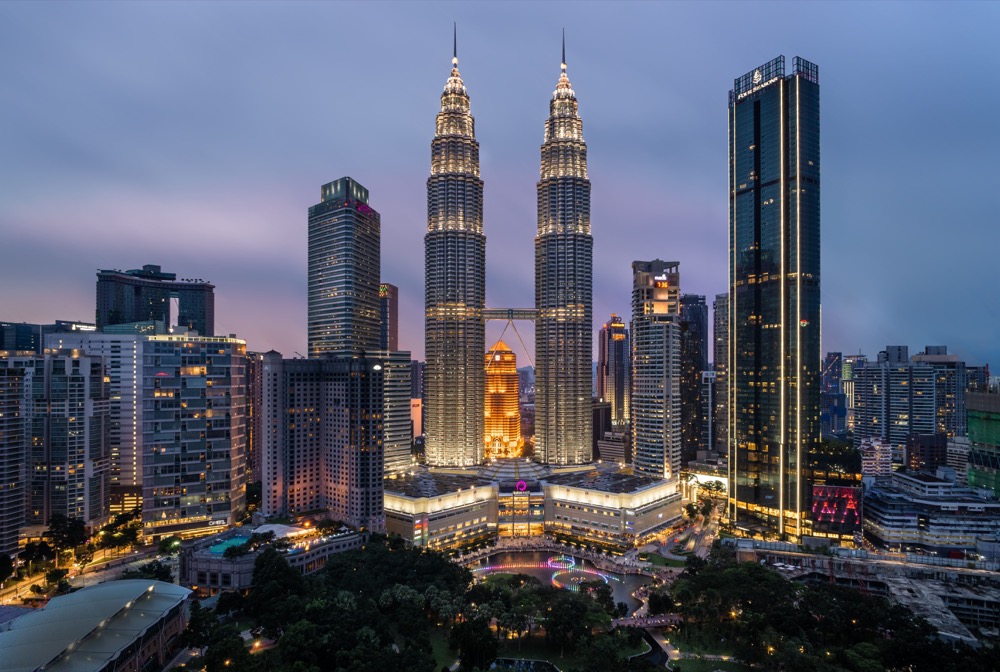
Pix for representational purpose only