By Paul Woon SF
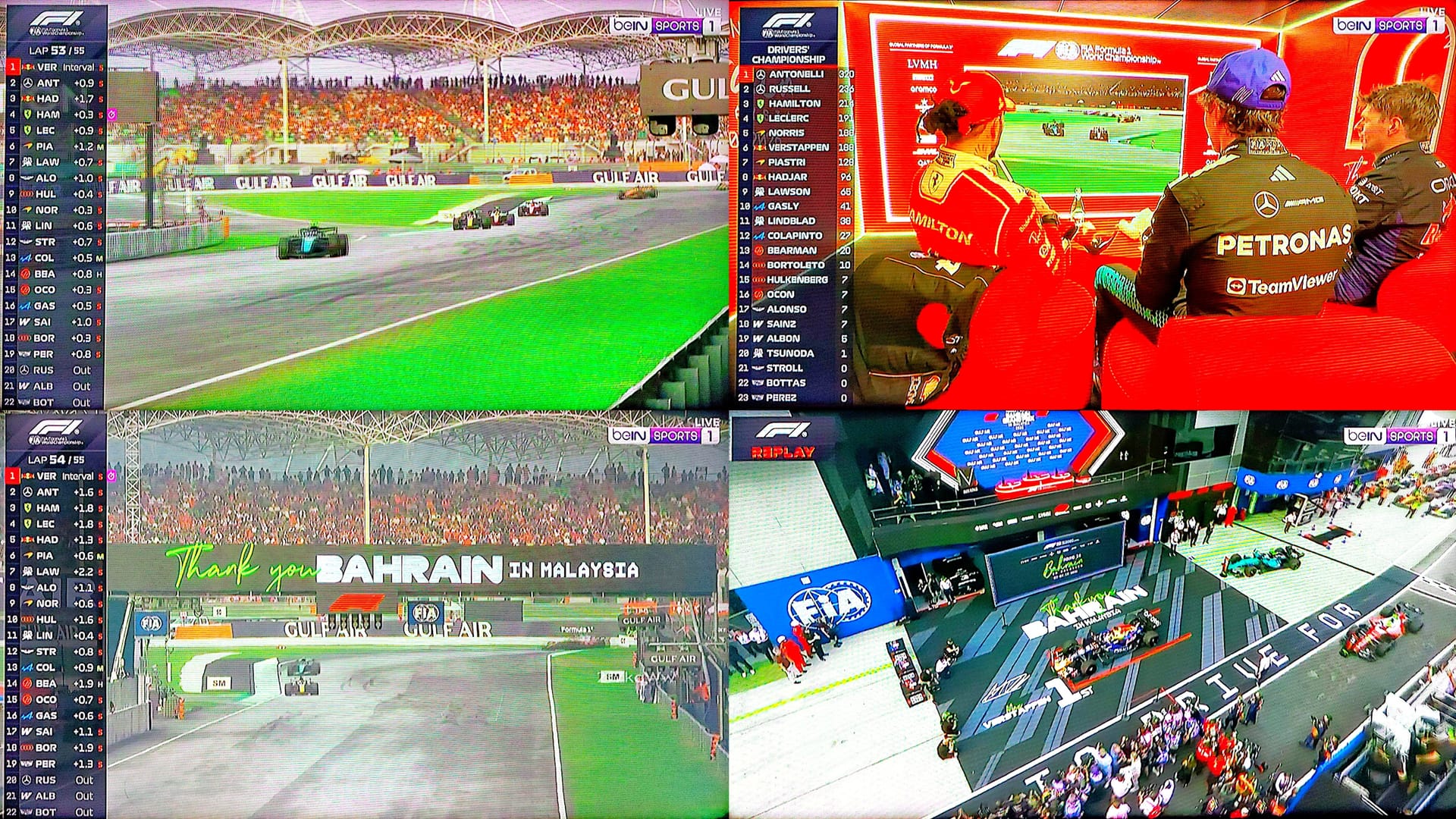
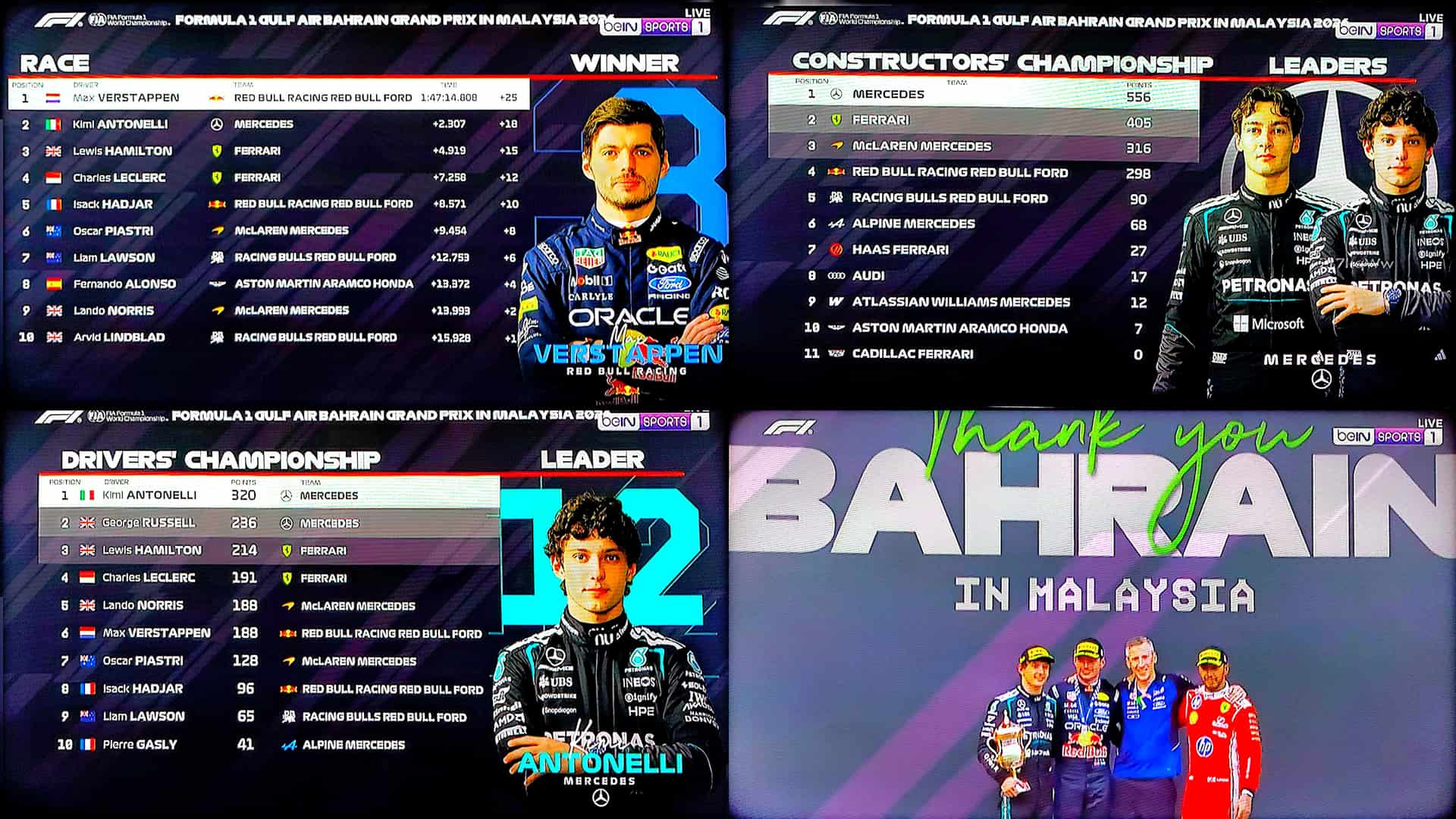
After nine years, Formula 1 returned to the Sepang International Circuit from October 2–4, 2026. The Bahrain Grand Prix, held in Malaysia, attracted 261,000 spectators and generated more than RM345 million in reported economic spillover for local micro, small and medium enterprises (MSMEs). Almost half of the spectators were foreign tourists. (Bernama)
But what drove this overwhelming response? Was it nine years of pent-up excitement, a younger generation of charismatic drivers, affordable MADANI tickets, or the attraction of watching the world's premier motorsport live?
Perhaps it was a combination of these factors.
Nine Years of Waiting: The Perfect Comeback?
Formula 1 has evolved beyond racing. Netflix's Drive to Survive, social media and the personalities of today's drivers have attracted younger audiences and casual fans. Their rivalries, lifestyles and charisma have made F1 more than just a sporting competition.
After such a long absence, F1's return to Sepang created a special occasion. But would the same excitement continue if Malaysia hosted a race every year?
RM345 Million in Benefits vs RM300 Million in Costs
Let's look at the numbers:
- 2017: 110,604 spectators attended Malaysia's final Malaysian Grand Prix. (Formula 1 attendance report)
- 2026: 261,000 spectators and more than RM345 million in reported economic spillover.
- Estimated annual hosting cost: At least RM300 million to secure a permanent place on the F1 calendar, according to Sepang International Circuit CEO Azhan Shafriman Hanif in July 2026. (Bernama)
Using simple mathematics, RM345 million divided by 261,000 spectators equals approximately RM1,322 in reported economic benefits per spectator.
At the same rate, approximately 227,000 spectators would correspond to RM300 million in economic benefits.
However, this is a mathematical comparison, not a confirmed break-even point. Economic spillover is not the same as net profit or government revenue. The RM300 million estimate covers hosting rights and local preparation costs for a permanent annual F1 race. It should not be confused with the actual cost of the exceptional 2026 event, for which Bahrain covered the hosting fee and Malaysia incurred local preparation and operational costs. (CNA)
For context, the 2017 attendance figure was much lower than the 2026 turnout. However, attendance alone cannot tell us whether either event generated a net financial return.
Do Foreign Fans Make the Difference?
Almost half of the 2026 spectators were foreign tourists. Their spending on hotels, food, transport, shopping and entertainment can benefit Malaysian businesses.
Foreign visitors may also extend their stays and explore other destinations, spreading economic benefits beyond Sepang. However, the number of foreign fans alone does not reveal how much money Malaysia retains. Actual visitor spending, length of stay, local business revenue and public expenditure must all be considered.
Should Malaysia Host F1 Every Year?
The 2026 comeback benefited from nine years of anticipation. Annual races might maintain strong demand, but the excitement of a rare return may not be repeated indefinitely.
At an estimated RM300 million annually, Malaysia should carefully assess whether the investment offers better returns than alternative uses of public funds.
Could Sepang generate more consistent income by hosting other motorsport competitions, concerts, corporate events and track experiences throughout the year? A diversified event calendar could help the circuit generate revenue beyond a single race weekend.
The Verdict: Follow the Money, Not Just the Crowd
F1 offers international exposure, tourism opportunities and potential benefits for local businesses. But a successful event does not automatically guarantee a profitable annual investment.
Malaysia should evaluate hosting costs, sponsorship income, tourism spending, tax revenue and alternative business opportunities before committing to a permanent return.
After nine years, Sepang has demonstrated that the passion for F1 remains strong. The next challenge is turning that excitement into sustainable economic value.
What do you think? Should Malaysia bring F1 back every year, host it occasionally to preserve its appeal, or focus on making Sepang more profitable through other events?
#F1Malaysia #SepangCircuit #Formula1 #TourismMalaysia #EconomicImpact
Paul Woon SF (wsfpaul@yahoo.com) is a content creator under the Newswav Creator programme, where you get to express yourself, be a citizen journalist, and at the same time monetize your content & reach millions of users on Newswav. Log in to creator.newswav.com and become a Newswav Creator now!
The User Content (as defined on Newswav Terms of Use) above including the views expressed and media (pictures, videos, citations etc) were submitted & posted by the author. Newswav is solely an aggregation platform that hosts the User Content. If you have any questions about the content, copyright or other issues of the work, please contact creator@newswav.com.