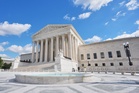
- The U.S. Supreme Court has agreed to examine whether Congress overstepped its constitutional authority when it enacted a prohibition on home distilling of spirits in 1868.
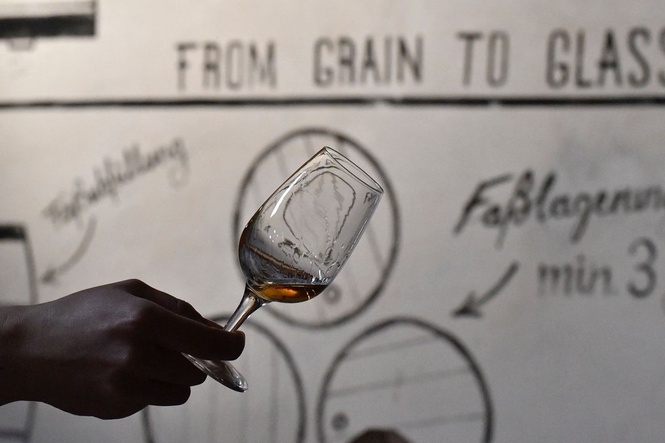
- Under current federal law, distilling spirits inside a private home is a crime punishable by up to five years in prison and a $10,000 fine.
- Plaintiffs contend that the Reconstruction-era law overstepped congressional taxing powers, while government attorneys argue the ban is necessary to prevent tax evasion and protect federal excise revenue.
- The Supreme Court intervened after two federal appeals courts issued conflicting rulings 11 days apart, with the Sixth Circuit upholding the ban and the Fifth Circuit ruling it unconstitutional.
- Attorneys for the plaintiffs warn that upholding the government's broad interpretation of its taxation powers could improperly permit federal regulation of other private home activities such as cooking, gardening, and remote work.
IN FULL