
Major shipping companies like FedEx, UPS and DHL are dragging their feet on tariff refunds, according to some of their increasingly frustrated small business customers.
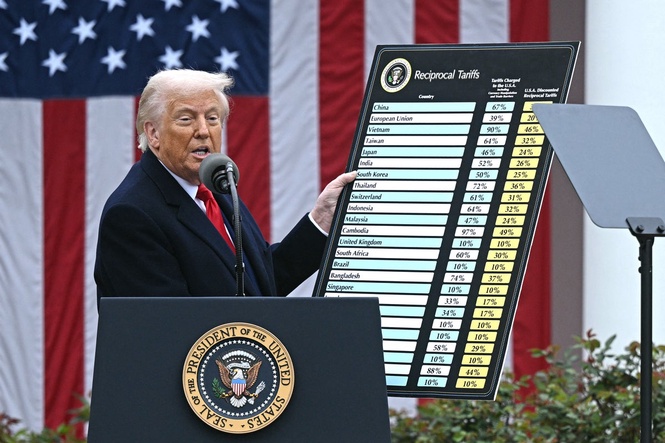
At the start of his second term, President Donald Trump rolled out tariffs on dozens of countries ranging from 10 percent to 49 percent, upending trade.
In the months that followed, thousands of small businesses bringing goods into the country, paid Trump’s tariffs through shipping giants including FedEx, DHL and UPS as their “importer of record.”
Some tariffs were struck down by the Supreme Court in February, putting the federal government on the hook to pay back the levies it took from companies.
But those refunds from shipping companies have been frustratingly slow, small businesses told The Wall Street Journal Monday.
Derek Swanson, whose business in Washington, D.C. imports and resells Japanese kitchen knives, told the Journal he got his refund from UPS easily but that FedEx and DHL were being difficult and he had been waiting months.
“My sense is that the process was designed to discourage small businesses from seeking refunds,” he said.
On a FedEx Reddit subreddit last month, another person who claimed to have a small business said they had been waiting since May for a refund.
Lenny Merryman, who runs operations for keyboard and mouse retailer Man & Machine, told the Journal he wasn’t sure if he wanted to invest time in getting back thousands in tariff refunds from DHL and FedEx.
“I could end up spending more of my time than what it’s worth,” he said.
The Independent has contacted FedEx, DHL and UPS for comment.
FedEx told the Journal that it is focused on “precision” and “regulatory compliance”, and has released “hundreds of millions of dollars.”
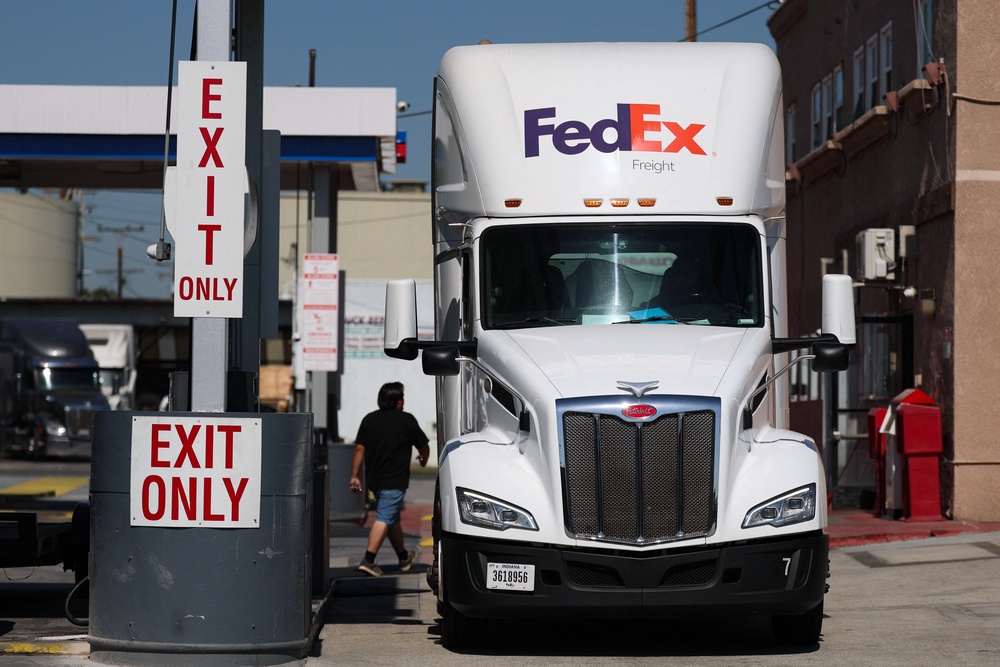
The company added that it needs to vet every claim and match it with data from the U.S. government before issuing the money.
UPS told The Independent: “We’re committed to issuing refunds, and any applicable interest, to the payors as quickly as possible. Our dedicated team is processing millions of entries and working through the required accounting review, validation and reconciliation steps to help ensure each refund is accurate and secure.”
The company added: “We know these refunds are important to our customers and appreciate their patience throughout this complex process. We remain focused on keeping shipments moving and will share updates as available.”
Tariff revenue initially surged after the Trump administration announced a slew of levies on foreign trade partners, according to an analysis from the nonpartisan policy institute Center for American Progress.
The administration said that those trade partners would pay the tariffs, but a Federal Reserve Bank of New York analysis in February found “nearly 90 percent of the tariffs’ economic burden fell on U.S. firms and consumers.”
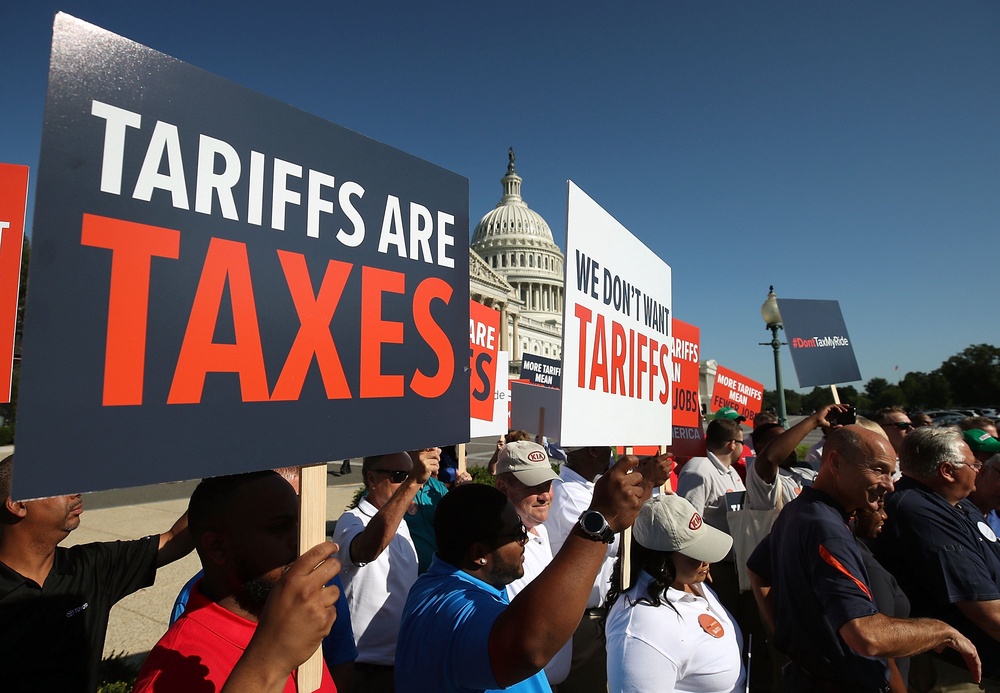
Those added costs were tough for small businesses to absorb, leading some to raise prices to make up for the tariffs’ impact, CAP noted.
“The Trump administration’s tariffs cost small-business importers in all 50 states and Washington, D.C., an average of $426,000 more over 18 months - damage that refunds cannot fully undo,” CAP wrote.
US jobs market defies Iran war energy shock as layoffs fall
New SNAP benefit amounts will take effect on October 1. Here’s what changed
16 American trucking companies file for bankruptcy as diesel costs soar
Americans’ view of the economy drops to its lowest point in over a decade
Here’s the median net worth of Americans from Gen Z to boomers
This is how much more expensive gas, diesel and electricity are than in 2025