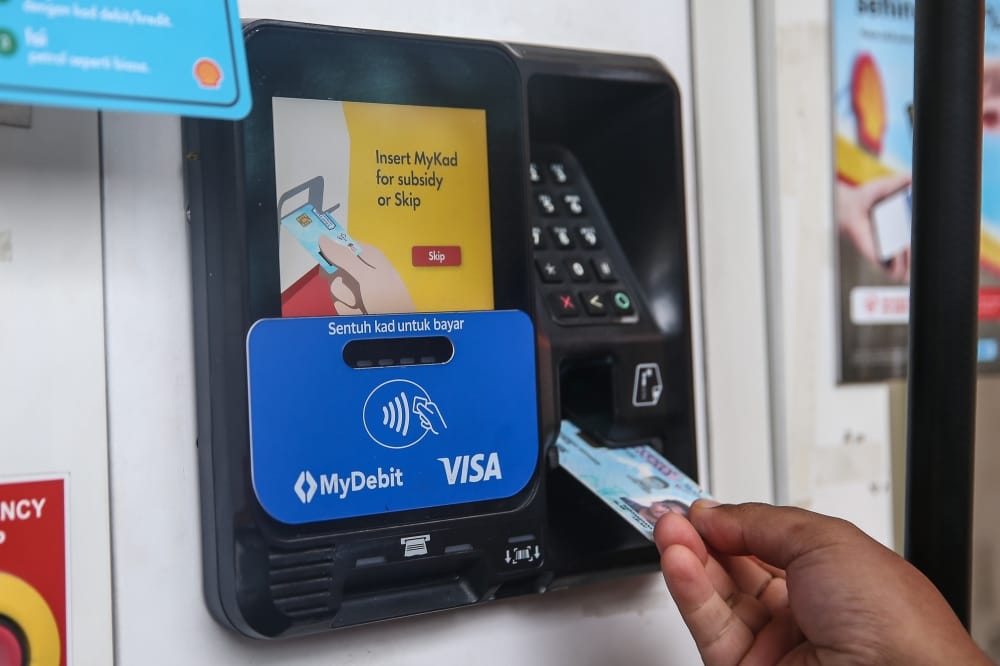
It was an ordinary evening under the harsh fluorescent glare of a Malaysian petrol station. A car pulls up to the pump, the driver steps out, inserts a plastic card into the machine or mutters a national identity card number to a preoccupied cashier, and fills the tank with heavily subsidised fuel. To any onlooker, it is the mundane, everyday ritual of a working-class citizen surviving the economic pressures of 2026. But beneath this routine lies a dark, evolving underbelly of white-collar opportunism.
In a landmark case that has sent shockwaves through the local tech and consumer communities, the Besut Magistrate's Court recently fined a 39-year-old former IT engineer RM18,000, or 18 months’ jail in default, for using another individual’s MyKad to illicitly access the government's BUDI MADANI RON95 (BUDI95) fuel subsidies. The offense unravelled not through traditional police work, but because an observant victim noticed via their Touch 'n Go eWallet app that their monthly fuel quota was mysteriously draining away without their consent.
This is no longer a simple story of petty theft or standard fuel smuggling. It represents a watershed moment in Malaysia’s socio-economic landscape: the weaponisation of digital identity to harvest state welfare. As the nation transitions deeper into its targeted subsidy frameworks, the currency of choice for modern criminals is no longer just cold cash, but the digital credentials of ordinary citizens.
Anatomy of a Digital Betrayal
What makes this particular case deeply unsettling to the Malaysian public is the profile of the perpetrator. This was not a desperate, impoverished individual or a member of an organized cross-border smuggling syndicate. This was a 39-year-old former IT engineer a professional possessing the exact technical literacy and structural understanding required to navigate and exploit the digital interfaces of Malaysia's modern financial ecosystem.
Analysis suggests that as the government increasingly tightens its fiscal belt, a psychological shift is occurring among middle-class professionals who find themselves squeezed out of previous blanket subsidies. The temptation to "game the system" becomes irresistible to those who understand the digital architecture behind it. The loophole exploited here did not require elite hacking skills; instead, it relied on a critical procedural flaw at the point of sale.
The Ministry of Finance (MoF) has recently conceded that several cases across the country highlighted severe vulnerabilities in the manual entry of MyKad numbers at petrol pumps. When station attendants manually bypass physical card verification, they inadvertently hand a skeleton key to identity thieves. For an IT professional, recognizing this procedural gap was simple, but the social cost to the victim was immense, effectively freezing their legal access to state-allocated relief.
The Cultural Currency of the MyKad
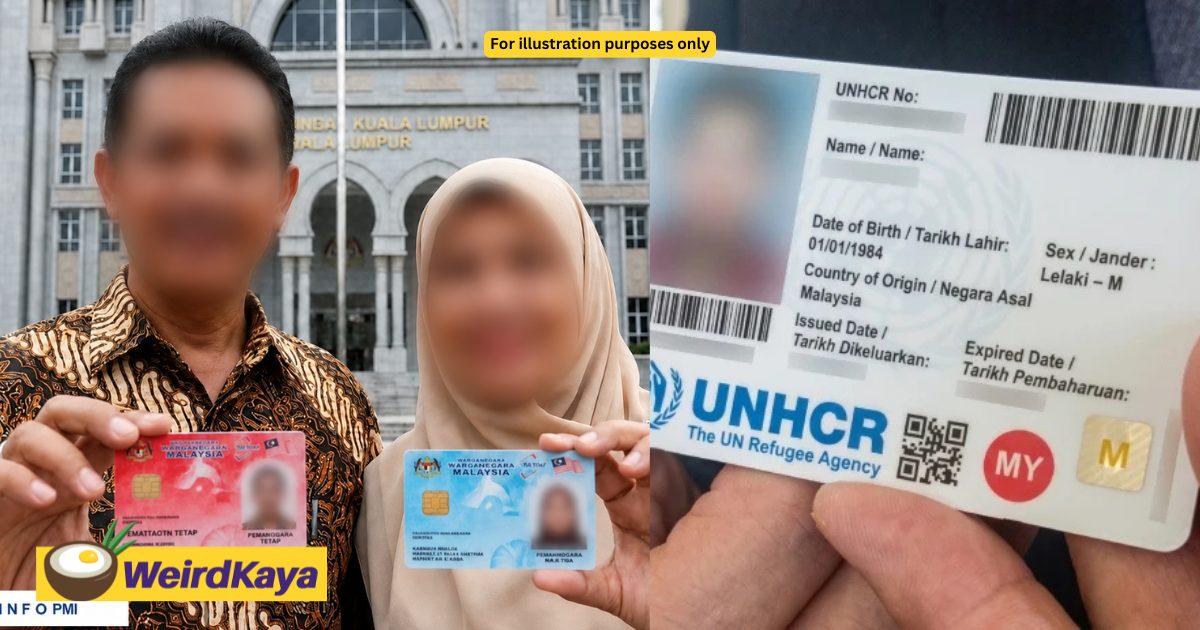
To understand the weight of this crime, one must look at the unique socio-cultural role that the MyKad plays in Malaysian society. Introduced as one of the world's first smart identity cards, the MyKad is more than just a piece of government plastic; it is an extension of the self. It holds biometric data, driver's licenses, health records, and now, the literal capacity to afford daily transportation.
When a criminal clones, steals, or manually inputs another person’s MyKad data to claim a BUDI95 subsidy, they are committing an act of identity theft that borders on economic disenfranchisement. Culturally, Malaysians have long held a casual attitude toward sharing IC numbers for minor administrative tasks, sign-ins at guarded residential areas, or lucky draws.
However, this systemic abuse proves that a casual approach to personal data can directly diminish one's quality of life. The victim in the Besut case discovered the crime precisely because our financial lives are now thoroughly gamified and tracked on our smartphones. The sudden, unapproved depletion of a fuel quota on an e-wallet app mirrors the stomach-dropping feeling of opening a banking app to find a savings account wiped clean.
Institutional Creep and the Limits of Enforcement
The prosecution of the former IT engineer under the jurisdiction of the Besut Magistrate’s Court reflects an institutional scramble to protect the integrity of the BUDI MADANI framework. The government's fiscal consolidation efforts designed to save billions in leakages rest entirely on the premise that the data determining who qualifies for aid is secure.
The Ministry of Finance has ramped up warnings, threatening fines of up to RM20,000 and jail terms of up to three years under Regulation 25 of the National Registration Regulations 1990 for anyone found possessing or using another's identity card without lawful authority. Yet, legal threats can only achieve so much when physical infrastructure lags behind legislative intent.
Cybersecurity experts have consistently warned that without uniform, biometric, or hardware-enforced verification at every single fuel pump in Malaysia, the system remains fragile. The Malaysian Cyber Consumer Association (MCCA) has continuously advocated for stricter digital tokenization, pointing out that manual data entry at payment counters creates a playground for fraud. Relying on underpaid petrol station attendants to act as frontline identity verifiers is an institutional design flaw that invites systemic exploitation.
The Fractured Trust in the Welfare State
At its core, this incident uncovers a deeper collective anxiety felt by the Malaysian rakyat. The implementation of targeted fuel subsidies was met with immense trepidation, primarily due to fears that the bureaucratic machinery would fail to protect the vulnerable. When an ordinary citizen can have their state aid siphoned off because a station in Terengganu or Kedah failed to physically check an ID card, public trust in digital governance erodes significantly.
The Ministry of Finance has since ordered oil retail companies to tighten compliance, mandate the retraining of frontline staff, and provide direct compensation to victims of identity theft. However, the psychological damage remains.
Citizens now face the exhausting burden of constantly auditing their own government portals and e-wallets, checking for digital parasites feeding off their monthly allocations. This creates a highly defensive societal mindset, where technology is viewed not as an enabler of convenience, but as an unpredictable vulnerability.
What do you think? I’d love to hear your opinion in the comments section.
The RM18,000 fine meted out in Besut serves as a stiff deterrent, but it also sounds an alarm bell for the nation’s digital future. As Malaysia aggressively pushes toward a centralized data ecosystem via platforms like PADU and interconnected e-wallets, the value of an individual’s data profile will only appreciate. The criminal innovations of the near future will not take place in dark alleys, but at self-service kiosks, automated checkout lanes, and unmonitored digital terminals.
We must ask ourselves if our institutions are building digital fortresses or merely paper walls that can be breached by anyone with a basic understanding of computer science and an eye for human error. The transition from blanket subsidies to targeted aid was supposed to ensure equity. Instead, it has accidentally created a brand-new frontier for white-collar crime, turning a basic necessity like fuel into a high-stakes game of identity security.
The resolution of this court case should not bring comfort; rather, it should serve as an urgent warning. It reminds us that in our rush toward an integrated, efficient digital economy, the weakest link is rarely the code itself it is the human element, the lack of institutional safeguards, and the unsettling ease with which one person can vanish behind the digital mask of another just to save a few ringgit at the pump.
What happened to the victim in this case could easily happen to any of us tomorrow morning as we head out for our daily commute, entirely unaware that our digital identity has already been driven away by someone else. It forces a harsh re-evaluation of how we protect our personal information in a country where your identity dictates what you can afford to put in your tank.
AM World (tameer.work88@gmail.com) is a content creator under the Newswav Creator programme, where you get to express yourself, be a citizen journalist, and at the same time monetize your content & reach millions of users on Newswav. Log in to creator.newswav.com and become a Newswav Creator now!
The User Content (as defined on Newswav Terms of Use) above including the views expressed and media (pictures, videos, citations etc) were submitted & posted by the author. Newswav is solely an aggregation platform that hosts the User Content. If you have any questions about the content, copyright or other issues of the work, please contact creator@newswav.com.