
KUALA LUMPUR, April 21 — A new survey has found food and fuel prices topping consumer worries in Malaysia and Thailand as tensions in the Strait of Hormuz keep oil markets volatile.
The study by Rakuten Insight, conducted earlier this month with 2,106 respondents, showed both countries share an identical economic worry score of 8.09 out of 10 despite diverging concerns.
“When you dig beneath them, you find two countries experiencing the same macro pressure through completely different lenses.
“For Malaysia, it is the kitchen. For Thailand, it is the fuel pump. Same thermometer reading, completely different symptoms, and that has profound implications for any business operating across both markets,” Rakuten Insight Malaysia and Thailand country director Collin Leow said in a statement accompanying the survey results.
Food vs fuel divide
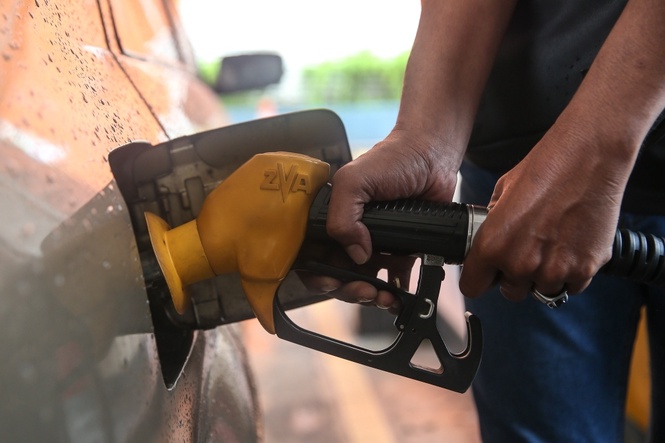
In Malaysia, 35.8 per cent of respondents cited food and groceries as their top concern, compared to 24.1 per cent who pointed to fuel despite existing subsidies.
In Thailand, 34.4 per cent were most worried about fuel and transport costs, while 26.8 per cent cited food prices.
Spending cuts deepen
The survey found consumers in both countries are cutting back on spending in response to rising costs.
It showed 63.9 per cent of Thai respondents and 52.1 per cent of Malaysians are prioritising spending cuts.
The divergence is reflected in the food service sector, where Thailand recorded a net spending intent of -42.0 compared to -22.1 in Malaysia.
The study also found 19.9 per cent of Malaysians are shifting towards locally made products as a way to cope with price increases.
This marks a change from earlier findings where subscription cancellations were the dominant cost-cutting strategy.
Shift to long-term caution
The second phase of the study showed Malaysian consumers growing more pessimistic, with confidence levels declining across the board since March.
More than three-quarters of respondents expect the current disruptions to persist for at least another month.
“The movement from Wave 1 to Wave 2 tells us that Malaysians have moved from an acute reaction into structural adaptation,” Leow said.
He added that the shift signals consumers are recalibrating spending habits for the long term rather than relying on temporary measures.