
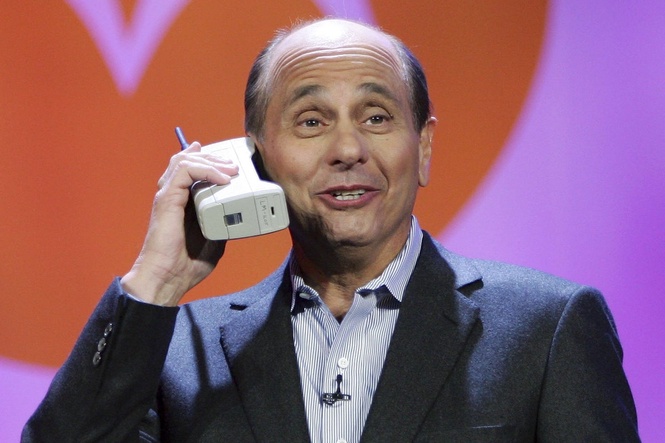
It’s 1986: Top Gun has just hit cinemas, Diego Maradona has scored the Hand of God, and Britain’s affluent yuppies are going nuts for a new status symbol – the brick phone.
At a time when most early adopters are having to use a phone that can only be used bolted into their car, the upwardly mobile elite are chucking thousands of pounds at chunky, angular mobile phones that weigh almost a kilogram, take hours to recharge and conk out after just half an hour on a call.
The most famous of these is the Motorola DynaTAC 8000X. With a long rubber antenna poking out of the top, a tiny LED display and enough memory to store a whopping 30 phone numbers, it was hardly a looker, but people were still splashing out £3,000 (£11,400 in today’s money) to get one.
It was the start of mobile mania. According to market research firm BIS MacKintosh, sales of portable phones in the UK more than doubled from 10,500 in 1985 to 24,000 in 1986.
Owned by executives, salespeople and wealthy individuals or, as one Vodafone salesman dubbed them, “the rich and loony”, The Independent would later remember those early mobile phones as objects of both “envy and ridicule”.
Later that year, The Independent would print its first edition, and the following year, its journalists would be equipped with mobile phones of their own.
During the 1987 general election, journalists on the campaign trail reportedly had great fun ringing each other up on their brick phones to compare notes on Neil Kinnock’s and Roy Hattersley’s statements regarding national insurance contributions.
But over the next four decades, tech wouldn’t just be seen as an expensive status symbol for the wealthy, it’d become indispensable to millions. From the launch of Windows 95 and the iPhone to the rise of smart tech and artificial intelligence, The Independent has been here to chronicle it all.
The 1990s: Britain goes gaga for gadgets
By the mid-Nineties, the UK’s love affair with gadgets had spread well beyond the elite. Everyone everywhere was going gaga for gadgets.
In the summer of 1995, 150 people in Croydon queued outside a PC World at midnight, waiting desperately to get their hands on Microsoft’s Windows 95.
The Independent’s then technology correspondent Charles Arthur was there to witness the spectacle as a speaking clock counted down to midnight over the shop’s speakers. “There were no whoops of joy or yells of delight from the aisles,” he wrote. “Just a calm, orderly line of people waiting to board the bandwagon that yesterday rolled around the world.”
Microsoft pulled out all the stops for the much-anticipated launch of its legendary operating system, famously lighting up the Empire State Building in Windows’ signature red, yellow and blue.
In a nice bit of pop culture history, Liverpool’s then goalkeeper David James blamed a poor performance against Man United on staying up all night playing ‘Tomb Raider’
Just weeks later, another device would whip the country into a frenzy. Hellbent on conquering the living room, Sony launched the very first PlayStation in Europe (a year after its launch in Japan), taking on Sega and Nintendo in what many hailed as the company’s biggest product launch since the Walkman.
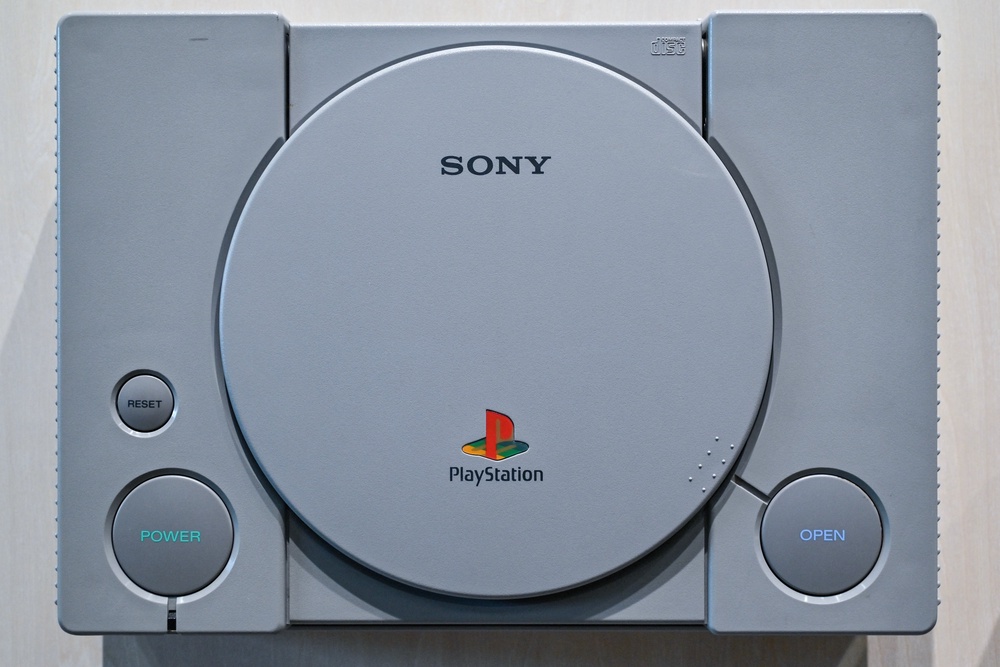
Costing £299, fans swept the PlayStation off shop shelves within days, and by November 1995, Sony had sold a mammoth 50,000 consoles in the UK. The then-Independent reporter, now bestselling novelist Jojo Moyes, reported that the tech giant was even installing PlayStations in London’s Ministry of Sound nightclub.
Sitting inside chill-out rooms and kiosks with ambient lighting and flickering screens, by 1997, the PlayStation had infiltrated nightclubs up and down the country. You could even find them at music festivals, in the green room at Top of the Pops and in hotel suites occupied by rugby and football squads. In a nice bit of pop culture history, Liverpool’s then goalkeeper David James blamed a poor performance against Man United on staying up all night playing Tomb Raider.
And mobile phones were gaining an aura of their own. Gone were the enormous bricks of the Eighties. In their place came the Nokia 3210, a phone that simply oozed cool. Fancy interchangeable covers, text messaging, Snake? What more could you want? After launching in 1999, Nokia would go on to sell 160 million units worldwide.
The 2000s: From iPods to iPhones
October 2001. Apple has just announced to the world a little white device that can be popped into your pocket, houses a thousand songs and features a distinctive little scroll wheel that people can’t stop cooing over. The iPod might not be the first MP3 player, but it is certainly the first that everyone covets, making white earphones a fashion icon in their own right.
But what if you could have an iPod, a mobile phone and a device to access the internet, all in one? On 9 January 2007, Steve Jobs strode onto the stage at Macworld in San Francisco and teased three revolutionary products. “An iPod, a phone… are you getting it?” he asked, before unveiling a device that would define a generation: the iPhone.
With its gigantic-for-the-time 3.5in touchscreen, fully fledged web browser and curious lack of physical buttons, the iPhone felt frankly futuristic next to the Nokia N95 and BlackBerry Curve. You could browse the internet, listen to music, watch videos and make phone calls, all from a single device.
And if the queues for Windows 95 were impressive, they were nothing compared to the scenes outside Apple’s flagship Regent Street store when the iPhone finally arrived in the UK that November.
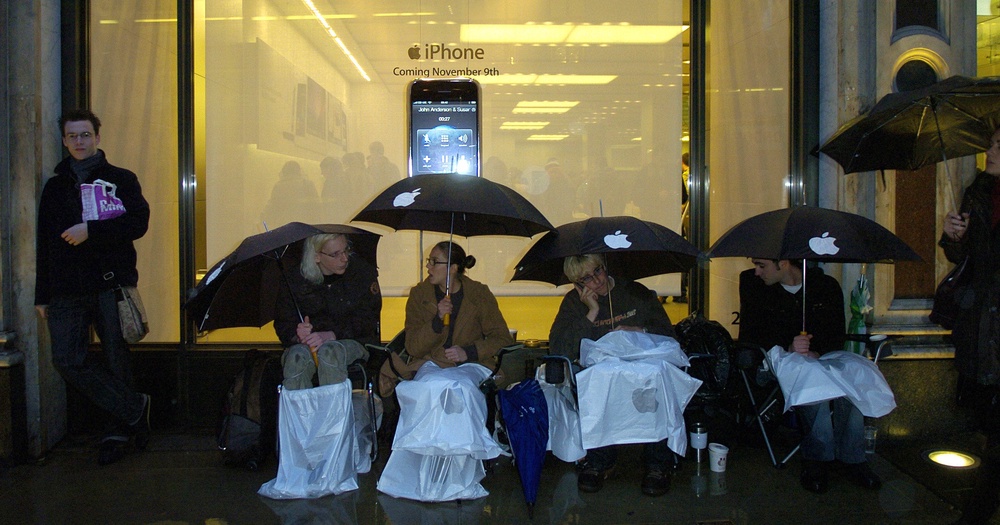
Former The Independent editor Amol Rajan reported that hundreds of Apple devotees had braved the bitter cold for 30 hours, with queues stretching for 300 yards around the corner.
As the doors opened, customers rushed inside, exchanging high-fives and cheering. “Then came the chant,” Rajan recalled, as the crowd switched from chanting “A-pple, A-pple” to “iPhone, iPhone”.
The first iPhone owners in the UK emerged from the flagship shop clutching their new phones, greeted by hugs and applause. “I’ve been queuing for hours but this is just the most incredible feeling,” a customer told him. “Look at it!”
It was a world away from the calm and quiet outside a PC World in Croydon.
The 2010s: The internet of everything
By the 2010s, tech firms had become obsessed with making absolutely everything smart. Thermostats knew when you were coming home; light bulbs could be controlled from your phone; doorbells let you see who was knocking; fridges housed giant touchscreens. Nothing was safe from being smartified.
Then came Amazon’s Alexa in 2014, a disembodied voice living inside a cylindrical speaker that we could ask to play music, check the weather and answer a whole host of inane questions – just because we could. Very quickly, we all got used to barking instructions at inanimate objects.
And it wasn’t just our homes that received the smart treatment. The clip-on Fitbit Ultra counted our steps, monitored our sleep and, rather excitingly for 2011, told us how many flights of stairs we’d climbed that day.
Where we once thought barking at Alexa to turn on the lights was groundbreaking, people are asking their AI assistants to write all their emails, plan all their holidays, and, let’s face it, subcontract their brain capacity to the machine
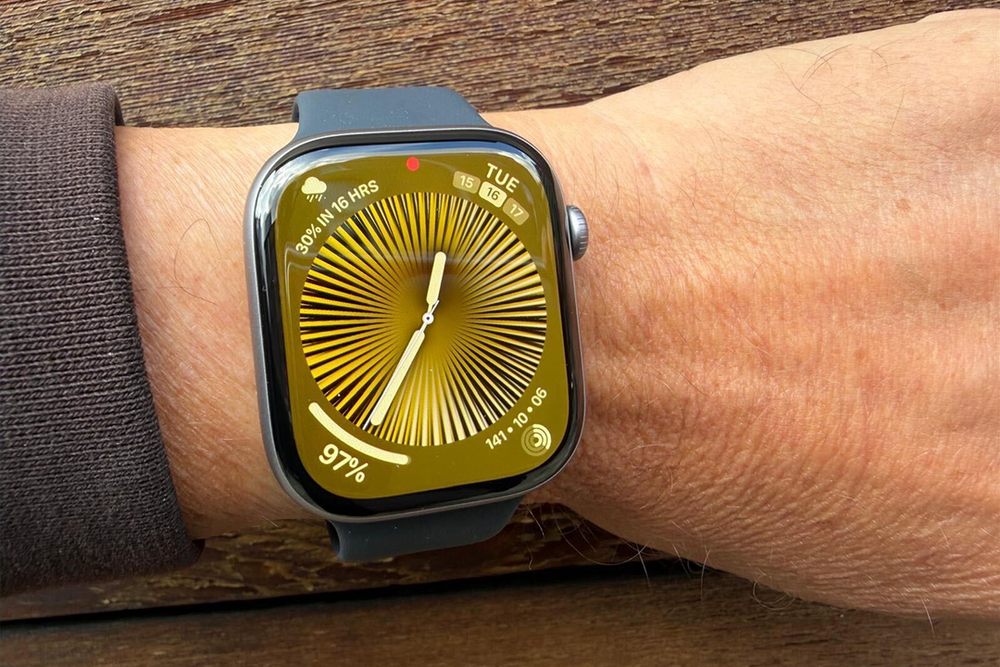
In 2015, Apple launched the Apple Watch, a curious little gadget that had everyone wanting to take a look at it, while questioning what it was actually for. “At first, I thought, this is a cool-looking gadget but will I really use it?” David Phelan, The Independent’s technology critic, pondered at the time. After almost a month with it, he admitted he was using it compulsively.
But Google had set its sights even higher than merely putting a computer on your wrist – it wanted to put one on your face.
In 2012, Google unveiled Google Glass to the world, a futuristic pair of specs with a tiny display in the corner. Billed as the future beyond the iPhone, you could take photos, check directions and search the internet, all without your handset.
But the backlash was swift. In December 2013, writer AJ Jacobs wore Google Glass to a barbecue, where a guest declared it “the most annoying thing in the world”. Jacobs disagreed and proceeded to ask his Google Glass what the most annoying things in the world were – Google Glass was not on the list.
By 2014, wearers of the £1,000 Google Glass were being dubbed “Glassholes”, accused of secretly filming strangers, invading people’s privacy and – to put it simply – behaving like obnoxious tech bros. Things got so bad that Google itself released a list of dos and don’ts for being a respectable Google Glass wearer.
In fact, the high price tag and intense backlash got so bad that it prompted the company to stop selling glasses to consumers altogether the following year. The specs winked out of existence, Glassholes and all. But the dream of putting a computer on your face wasn’t over.
The 2020s: Technology disappears
A decade after Google Glass made its wearers the laughing stock of the internet, Facebook (now Meta) has teamed up with Ray-Ban to launch a pair of smart glasses that, thank the heavens, don’t make you look like an absolute dork.
In a masterstroke, Meta made smart glasses look so much like regular sunglasses that people actually wanted to wear them. In 2025 alone, Meta and its eyewear partner, EssilorLuxottica, sold more than seven million pairs of smart glasses. Maybe Google was onto something after all.
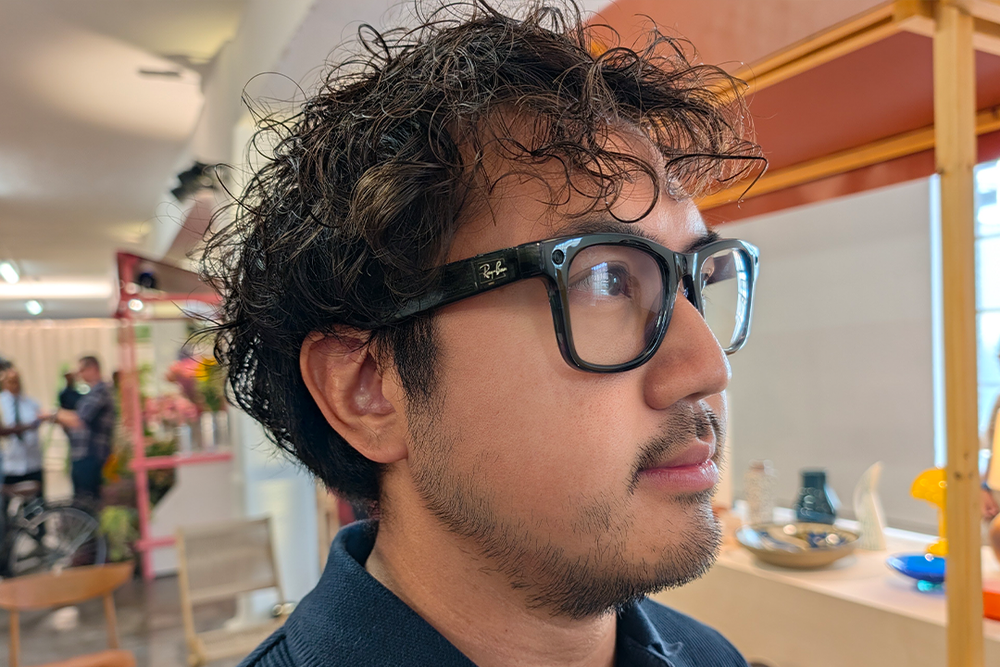
Except Meta would eventually bump into the same issue Google faced a decade ago. In a shock to all, people still don’t really like being filmed without their consent. In August 2026, The Independent’s deputy technology editor Anthony Cuthbertson reported that Meta’s smart glasses had acquired an even worse nickname than “Glasshole”. People had started calling them “pervert glasses”, amid renewed concerns about creeps secretly filming strangers without their permission.
Yet Big Tech is ploughing ahead. After decades of making gadgets smarter, the biggest tech firms now want to make them fade away into the background. Ambient computing, it’s been dubbed. Smartwatches have started to give way to smart rings that look like jewellery; we’ve got wireless earbuds that can translate conversations in real time and even our beds are adjusting the temperature while we snooze.
But while gadgets are getting harder to spot, the tech inside them is getting increasingly smarter. Ever since OpenAI launched ChatGPT in 2022, seemingly every technology company on the planet has been falling over itself to stuff AI into absolutely everything. Where we once thought barking at Alexa to turn on the lights was groundbreaking, people are asking their AI assistants to write all their emails, plan all their holidays and, let’s face it, subcontract their brain capacity to the machine.
The AI boom itself has spawned some peculiar gadgets. In 2024, a 21-year-old entrepreneur unveiled Friend, an AI-powered necklace with an always-listening microphone that could check in on you and send you texts, just like a real friend. In the promo, we saw people chatting away as they hiked, gamed and went on dates. But they weren’t nattering away to other people, they were busy chatting to their necklaces.
The gadget might have inadvertently achieved its mission of bringing people together, technology editor Andrew Griffin mused at the time. But not in the way it hoped. “It brought much of the world together this week to laugh at it,” he wrote.
And now there’s agentic AI, promising to anticipate what we want and get things done for us, without us even having to ask.
We’re not quite there yet, of course, but oh, how far have we travelled from the days when making a call in the wild without being tethered to your car was considered a revolution.
Forty years ago, wealthy yuppies were desperate for people to notice their enormous brick phones. Today, those making gadgets want them to become so intelligent, so unobtrusive, so blended into the background, so invisible that we don’t even notice they’re there.
Who knows what the next 40 years will bring? One thing’s for certain – The Independent will be here to find out.