RM90 billion is frozen in Malaysia because families avoided one conversation
There's a piece of land that belonged to my grandmother, my mother's mother. She passed away years ago, and to this day, nobody in the family can say for certain who legally holds the land grant.
My mother only really found out the extent of the problem when squatters occupying the land tried to get water and electricity connected, and their application forced the question everyone had been avoiding: who actually owns this? Since then it's turned into a slow, grinding back-and-forth in court, over a piece of land my grandmother never left proper instructions for.
I don't have a will myself either. Writing that sentence is uncomfortable, especially after watching my own family go through exactly the mess a will is supposed to prevent. But I suspect I'm in very good company, which is exactly the problem.
RM90 billion, frozen, because nobody wrote it down
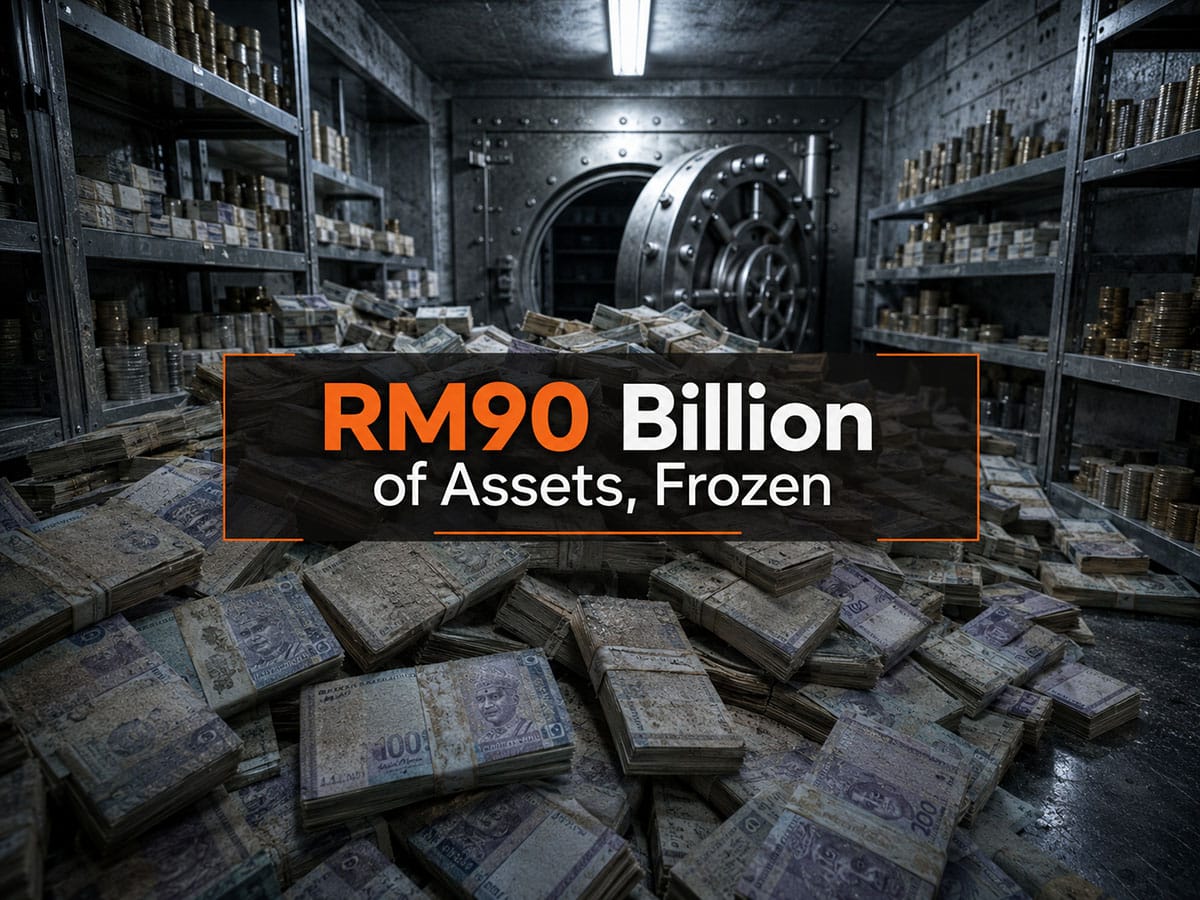
According to a report by the Asia News Network, Malaysia currently has an estimated RM90 billion in inherited property, shares, and savings sitting frozen in legal limbo, on top of a separate RM13 billion languishing in unclaimed money, dormant bank accounts, unclaimed salaries, insurance payouts, and forgotten deposits. That's not a hypothetical number sitting in a spreadsheet somewhere. That's real land, real savings, real family homes, stuck because someone passed away without leaving clear instructions, and the people left behind had no legal way to move forward cleanly.
The report points to something that struck a nerve with me specifically: a lot of younger professionals and middle-income earners genuinely believe wills are only for the wealthy or the elderly. I used to think along those lines too, without ever really examining it. My grandmother wasn't wealthy. She had one piece of land. And that one piece of land, without a document saying who it belonged to next, has caused more family stress and legal cost than the land itself was probably ever worth.
What actually happens without one
Here's the part that doesn't get explained often enough. Without a will, your estate doesn't just sort itself out according to what everyone assumes you would have wanted. For non-Muslims, the Distribution Act kicks in and applies a fixed legal formula regardless of your actual wishes, your actual relationships, or who was genuinely depending on you.
Before anything gets distributed at all, someone has to apply for a Grant of Probate, or Letters of Administration if there's no will, a court process that can take months or years depending on how complicated the estate is and how many parties are involved.
That's exactly the phase my family got stuck in. Nobody could produce clean documentation of who inherited what, so a piece of land sat in a kind of ownership fog for years, until squatters forced the issue and the whole thing landed in court. Multiply that by every family in Malaysia currently sitting on undocumented property, and RM90 billion frozen suddenly stops sounding like an abstract statistic.
The RM13 billion nobody's even looking for
The unclaimed money side of this is almost sadder, because at least frozen inheritance assets are visibly disputed. Unclaimed money just sits there, silently, because nobody knew to go looking. Old bank accounts, insurance payouts nobody followed up on, deposits from jobs or transactions long forgotten.
The good news is that checking is genuinely simple. The eGUMIS portal, run by the national accountant general's department, lets anyone search using an IC number, free of charge, with no time limit on claims and no minimum amount required. It takes minutes to search. I'd guess most Malaysians have never once tried, including me until I started looking into this.
Why we avoid this so hard
Nobody wants to sit down and plan for their own death, or worse, discuss it with their family over dinner. It feels morbid, premature, unnecessary if you're not old or sick. But that discomfort is exactly what let my grandmother's land sit in limbo long enough for strangers to move in and claim it as their own. The taboo doesn't protect anyone from what happens after you're gone. It just delays the conversation until someone else, usually your own family, is forced to have it without you.
My take
That's genuinely how I've started thinking about this, even though I still haven't written mine. A will isn't a morbid document about your death. It's a considerate one about everyone else's future without you in it. Writing one in Malaysia doesn't require a lawyer or a huge budget either, a properly signed document with two witnesses who aren't beneficiaries is legally valid, and costs can run from essentially free if you draft it yourself to a few hundred ringgit through a professional service if your estate is more complicated.
If you have children, aging parents, or even one piece of property with your name on it, you already have enough to justify writing a will this month, not someday. My grandmother's land is still tied up in court as I write this. I'd rather my own family never has to sit through that same argument over something I could have settled with one signed document and two witnesses, while I was still around to make the decision myself.
Kamarul Azwan (k.azwan@gmail.com) is a content creator under the Newswav Creator programme, where you get to express yourself, be a citizen journalist, and at the same time monetize your content & reach millions of users on Newswav. Log in to creator.newswav.com and become a Newswav Creator now!
The User Content (as defined on Newswav Terms of Use) above including the views expressed and media (pictures, videos, citations etc) were submitted & posted by the author. Newswav is solely an aggregation platform that hosts the User Content. If you have any questions about the content, copyright or other issues of the work, please contact creator@newswav.com.