
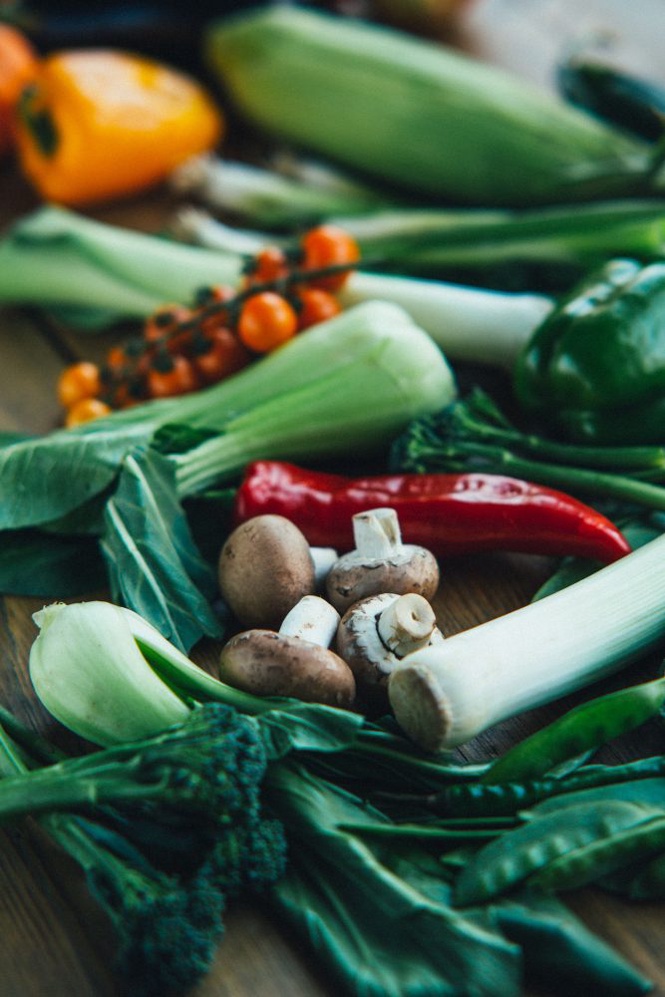
Fresh vegetables have a healthy reputation, but the produce aisle is not automatically more nutritious than the freezer section. Frozen vegetables can retain many of the same vitamins and minerals as fresh produce, and certain frozen options may retain more of some nutrients than fresh vegetables stored for several days. Research comparing refrigerated and frozen produce has found that nutrient levels often remain comparable, although results vary depending on the vegetable and nutrient being measured. That means shoppers do not necessarily have to choose between convenience and nutrition. The bigger question is how the vegetables were handled, how long they were stored, and how they are prepared at home.
How Freezing Helps Vegetables Keep Their Nutrients
Frozen vegetables are generally harvested, processed, and frozen relatively quickly to preserve their quality. Before freezing, many vegetables undergo blanching, a brief heat treatment that helps slow enzyme activity that could otherwise affect color, flavor, and texture during storage. This step can reduce some heat-sensitive or water-soluble vitamins, including certain amounts of vitamin C and B vitamins. However, freezing itself does not destroy nutrients across the board. The U.S. Department of Agriculture explains that freezing helps preserve food quality and nutrient content when products are stored properly.
Fresh Vegetables Can Lose Nutrients Before You Eat Them
Fresh vegetables can be an excellent source of vitamins, minerals, and fiber, particularly when they are recently harvested and eaten soon afterward. However, the word “fresh” does not mean a vegetable has just been picked. Produce may spend time in transportation, storage, grocery displays, and your refrigerator before it reaches the dinner table. During that time, certain nutrients can gradually decline, with the rate depending on the vegetable, temperature, light exposure, and storage conditions. Frozen vegetables can help limit some of those losses because they are stored at low temperatures after processing. A vegetable bought fresh and eaten promptly may compare differently with one that has been sitting in the refrigerator for a week.
Which Vegetables Have the Most Noticeable Nutrition Differences?
There is no universal winner across every vegetable or nutrient. Research examining broccoli, peas, carrots, spinach, and other produce found that vitamin levels differed depending on the specific food and the nutrient tested. In some comparisons, frozen vegetables had higher levels of certain vitamins, while other nutrients were more abundant in fresh samples. A separate study examining minerals, fiber, and plant compounds found that most of the tested vegetables showed no significant differences for the majority of the measured nutrients. These findings suggest that shoppers should be cautious about broad claims that fresh vegetables are always healthier or that frozen vegetables are always more nutritious. The specific vegetable, its storage history, and the nutrient in question all matter.
Frozen Vegetables Can Be Just as Useful for Fiber and Minerals
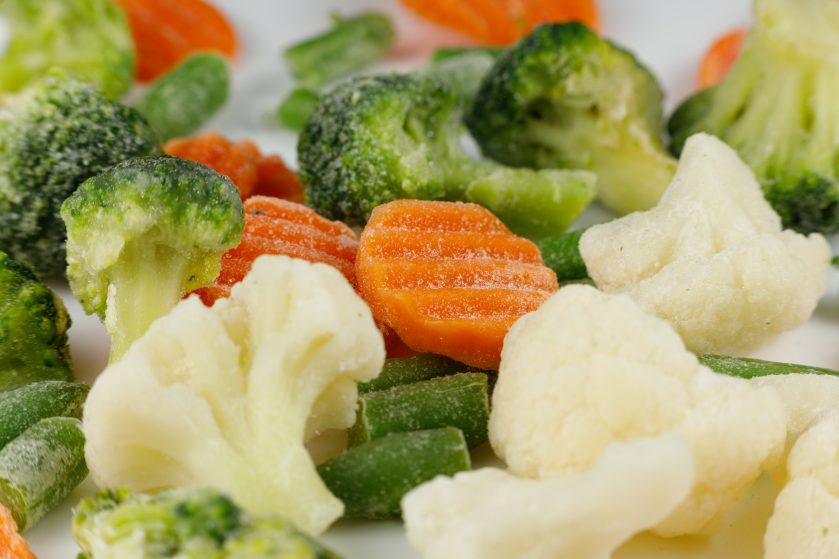
Vitamins often get the most attention in nutrition comparisons, but vegetables also provide dietary fiber and minerals that support normal body functions. Research comparing fresh and frozen produce found that fiber and several minerals, including calcium, magnesium, iron, zinc, and copper, were generally similar across many of the foods studied. Differences did occur for individual vegetables, so the findings should not be treated as identical results for every product. Still, frozen broccoli, peas, carrots, and green beans can contribute meaningfully to a balanced diet. Choosing frozen produce does not mean giving up the nutritional value associated with vegetables.
Added Ingredients Can Matter More Than Fresh Versus Frozen
When comparing vegetables at the grocery store, check the ingredient list rather than focusing only on whether the package is fresh or frozen. Plain frozen vegetables typically contain just the vegetable itself, while seasoned blends or sauced products may include butter, oils, cheese, salt, or other ingredients. Those additions can change the amount of sodium, saturated fat, and calories in a serving. Fresh vegetables can also be prepared with generous amounts of butter, dressing, oil, or salt, so the final meal matters as much as the starting ingredient. For a simple everyday option, look for frozen vegetables without added sauces and season them yourself. This gives you more control over flavor and the ingredients that end up on your plate.
The Way You Cook Vegetables Can Affect Their Nutrition
Cooking can change nutrient levels regardless of whether vegetables start fresh or frozen. Long boiling times can cause some water-soluble vitamins to move into the cooking water, particularly when that water is discarded. Steaming, microwaving with a small amount of water, and roasting are practical alternatives that can help limit unnecessary nutrient loss. Frozen vegetables can often go straight into a pan or microwave without thawing first, which saves time and reduces preparation steps. Fresh vegetables also benefit from careful cooking rather than being boiled until they become overly soft. Whichever type you choose, avoid cooking them longer than necessary and use cooking liquid in soups or sauces when it makes sense.
Fresh Versus Frozen: Which Is Better for Your Grocery Budget?
Nutrition is only one part of choosing produce. Fresh vegetables may be the better fit when you plan to eat them soon, want a crisp texture, or need ingredients for salads and raw snacks. Frozen vegetables can be more practical when you want ingredients ready for quick dinners, need to reduce food waste, or cannot shop frequently. The U.S. Department of Agriculture notes that frozen vegetables can provide more servings per pound than fresh vegetables because they are already cleaned and prepared for cooking. Actual value still depends on the price, package size, and amount you will use. Comparing cost per serving and choosing vegetables you are likely to eat can help make grocery spending more efficient.
What to Check Before Buying Fresh or Frozen Produce
For fresh vegetables, look for produce that is in good condition and store it appropriately once you get home. Buy amounts you can reasonably use before spoilage becomes a concern. For frozen vegetables, choose packages that are intact and keep them frozen until you are ready to cook. Plain varieties make it easier to compare nutrition and control added ingredients, while mixed vegetables can provide several types of produce in one package. Check the Nutrition Facts panel when comparing seasoned products, particularly if you are monitoring sodium or saturated fat. There is no need to make every purchase the same way: fresh and frozen vegetables can both have a place in a well-rounded grocery routine.
The Healthiest Choice Is the One You Will Actually Eat
Fresh vegetables can be highly nutritious, especially when they are recently harvested and eaten promptly, but frozen vegetables are also a valuable choice. Many nutrients remain comparable between the two forms, with differences depending on the vegetable, nutrient, storage conditions, and preparation method. Instead of avoiding the freezer aisle, consider keeping frozen vegetables available for meals when fresh produce is unavailable or likely to go to waste. Use fresh options when their texture and flavor suit the meal, and frozen options when convenience helps you cook at home more often. In the end, regularly eating a variety of vegetables matters more than insisting that every serving must be fresh.
What To Read Next
Fresh Vegetables Are Up Again: Here Is What Smart Shoppers Are Buying Instead