.png)

FEDERAL Government subsidy spending fell 40.1 per cent to RM23.43 billion in 2025 from RM39.10 billion a year earlier, driven mainly by lower petroleum subsidies following the targeting of diesel and petrol assistance, according to the Auditor-General’s Report 2/2026.
At the same time, spending on grants and aid for individuals and families surged 380.8 per cent to RM20.36 billion from RM4.24 billion, reflecting increased allocations under targeted assistance programmes including Sumbangan Tunai Rahmah (STR), Sumbangan Asas Rahmah (SARA) and Budi Madani.
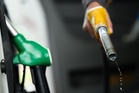
The report said petroleum product subsidies fell RM15.79 billion, or 45.2 per cent, to RM19.11 billion in 2025.
The reduction was attributed to lower crude oil prices and the implementation of targeted diesel subsidies from June 2024 and petrol subsidies from September 2025.
Crude oil averaged US$69.05 a barrel in 2025, compared with US$80.82 a barrel the previous year.
Petrol subsidies fell 46.5 per cent to RM10.51 billion, while diesel subsidies dropped 48.2 per cent to RM5.98 billion.
The diesel figure included RM430.35 million paid to Sabah Electricity Sdn Bhd as a fuel subsidy.
Liquefied petroleum gas subsidies also fell 29.1 per cent to RM2.63 billion.
The audit report said subsidies are paid based on the difference between the Government-set selling price and the actual market price of the product.
In contrast, grants and aid for individual and family welfare rose RM16.13 billion, with cash assistance under SARA, STR and Budi Madani totalling RM15.51 billion.
This comprised RM8 billion for STR, RM7.11 billion for SARA and RM400 million for Budi Madani.
The Finance Ministry said in its response to the audit on federal debt that the targeting of diesel and RON95 subsidies was intended to generate savings that could be channelled towards programmes supporting vulnerable groups, including STR and SARA.
Overall domestic grants, comprising subsidies and welfare assistance, declined 4.5 per cent to RM97.06 billion from RM101.59 billion.
Among other subsidies, spending on food aid and supplementary food rose 1 per cent to RM2.51 billion, with the cooking oil price stabilisation scheme accounting for RM1.94 billion.
Toll compensation rose 19.5 per cent to RM917 million, covering payments to highway concessionaires arising from deferred toll increases and festive-season toll discounts.
Subsidies for Keretapi Tanah Melayu and Malaysia Airlines increased to RM280.68 million and RM255.84 million respectively.
Meanwhile, subsidies for electricity supplied to large domestic-oriented industries fell 50.5 per cent to RM229.93 million.
A paddy price subsidy of RM111.13 million was also recorded in 2025, compared with no spending under the item in 2024.
Separately, an egg subsidy amounting to RM484.66 million, which ended on Aug 1, 2025, was recorded under grants to companies rather than the subsidy category.
Grants to companies fell 79.1 per cent to RM2.49 billion from RM11.92 billion.
The report's findings underscore the shift in federal spending away from broad-based petroleum subsidies towards more targeted cash assistance as the Government seeks to better direct public resources towards vulnerable households. - October 5, 2026