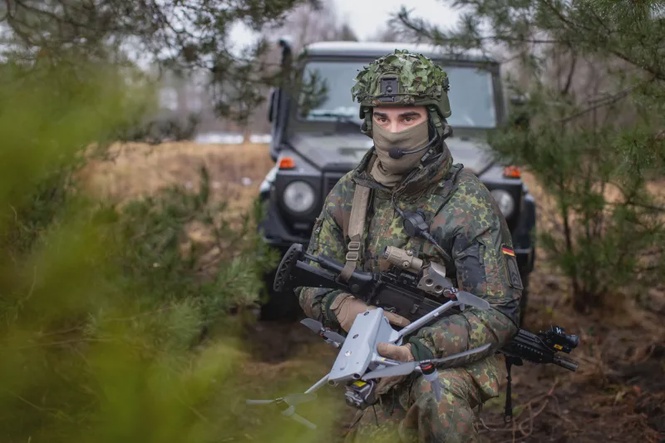
Germany's armed forces will stop flying Chinese-made drones altogether, including the cheap off-the-shelf models soldiers have used for target practice and pilot training, the Defense Ministry said on November 11, 2026. Berlin is tightening its guard against data leaks just as it pours money into rebuilding its military.
Existing Chinese drones will be replaced with German products or, where needed, equipment from other European countries, the ministry said. "To strengthen the Bundeswehr's self-sufficiency and technological sovereignty, Chinese-made models will no longer be used for target or training purposes," it said in a statement, AFP reported.
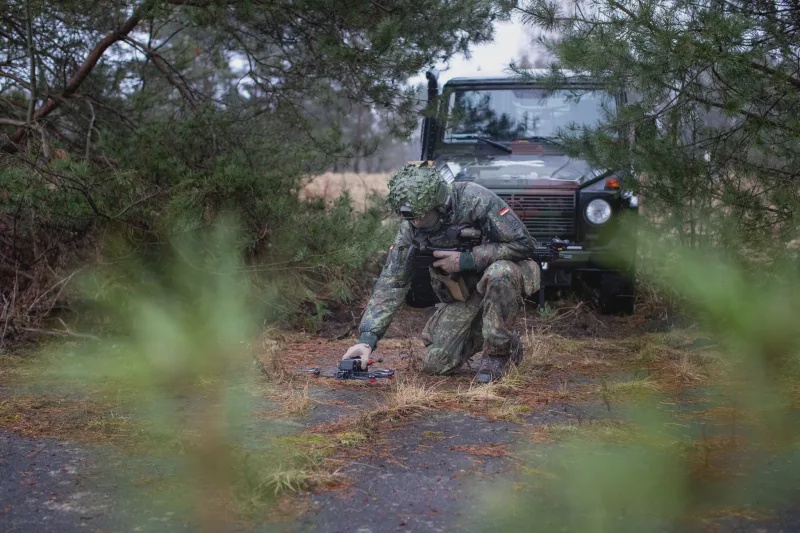
The Ban Reaches Even Low Risk Training Flights
The Bundeswehr, as Germany's military is known, had until now bought what the ministry called "inexpensive, off-the-shelf drones for training purposes," often with minimal paperwork. They were used only for jobs that did not touch sensitive information, such as serving as targets for air defense drills or teaching new drone pilots the basics.
Commanders could buy such drones after a prior risk assessment, the Associated Press reported, according to Berliner Zeitung. The ministry did not say how many Chinese drones are currently in service.
That carve out is now gone. Even in a low stakes training environment, Chinese-made models will be phased out. The ministry also stressed that there is no blanket ban on equipment from particular countries, Reuters reported. It said the decision rests on an individual risk assessment aimed at protecting military, data, and IT security.
Spy Fears Center On Exercises, Bases And Weapons
German news magazine Der Spiegel first reported the decision. According to the report, the military worried that the drones could pass information on exercises, training grounds, and weapons systems to Chinese intelligence services.
Bloomberg reported, citing people familiar with the matter, that an investigation by Germany's Military Counterintelligence Service (MAD) found that data may have been diverted to Chinese intelligence agencies. The ministry has not publicly confirmed any leak. Its own statement framed the ban as a matter of security precautions and technological sovereignty, and said the move does not mean Berlin has concluded that every Chinese drone is being used for spying.
The decision ends a long internal dispute. Investigative newsroom Correctiv has reported since 2025 that drones from Chinese maker DJI were placed on a Bundeswehr "White List," which let units buy them on their own. A former senior commander, Lieutenant General Martin Schelleis, had earlier ordered against their use, warning that a flow of protected Bundeswehr data to Beijing could not be ruled out, Correctiv reported in August.

Cars With Cameras And Radar Face Base Limits
Drones are not the only concern. The ministry confirmed that certain types of vehicles are barred from high security military areas, though it did not say whether Chinese brands are on the list.
Any vehicle sensor that is "suitable for surveillance" can threaten military security, regardless of who built the car, the ministry said. A spokesperson listed cameras, radar, microphones, data transmission systems, and the ultrasonic parking sensors found in most modern cars. The test, in other words, is whether a car's electronics can record or send sensitive information, not the badge on the hood. The Bundeswehr is drafting fuller internal rules for vehicles entering its sites.
Germany is not alone. Poland barred Chinese cars from its military facilities in February, Berliner Zeitung noted.
Germany Builds Its Own Drone Regiment By 2027
The ban comes as Germany tries to make up for decades of underinvestment in defense. Berlin regards Russia as its main security threat, but it also treats China as a strategic rival that is frequently suspected of espionage.
On October 1, Defense Minister Boris Pistorius announced that the army will form its first dedicated drone regiment in 2027, Defense News reported. The unit will combine reconnaissance and strike drones, ground robots, counter drone defenses, and its own electronic warfare company. It will sit under the 10th Panzer Division, starting with about 300 to 350 troops and growing to as many as 600.
As drones take on bigger roles in reconnaissance and targeting, where they come from, how they transmit data, and who controls their supply chains are getting far closer scrutiny inside the German military.
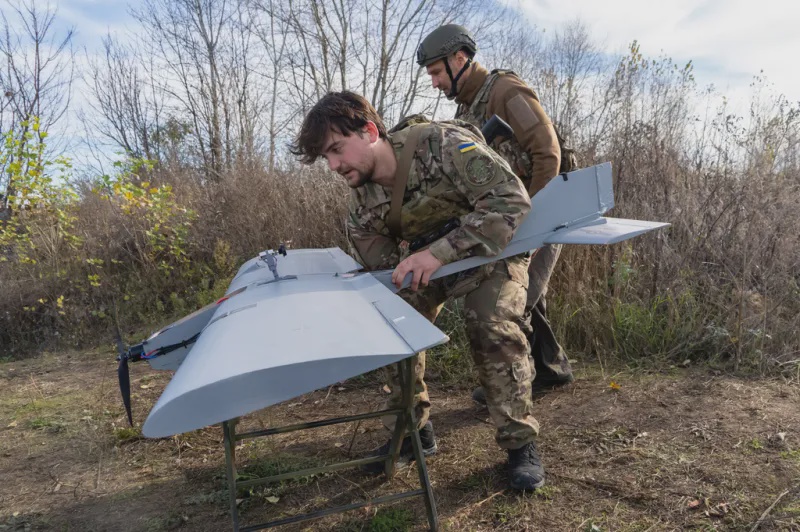
Europe's Shift Away From China Reaches Taiwan's Drone Makers
Berlin's move adds to a wider European push for so-called "non-red" supply chains, meaning drones and parts built without Chinese components. Taiwan has been courting exactly that market.
Taiwan's exports of finished drones to Europe jumped more than 40-fold in 2025, and first quarter shipments in 2026 reached 136,010 units, already above the total for all of last year, Focus Taiwan reported.
Germany has said its replacements will come from domestic or European makers, so the ban does not hand Taiwanese firms a direct order book. But it raises the bar for every European defense buyer that now has to show where its drones, and the parts inside them, were made.