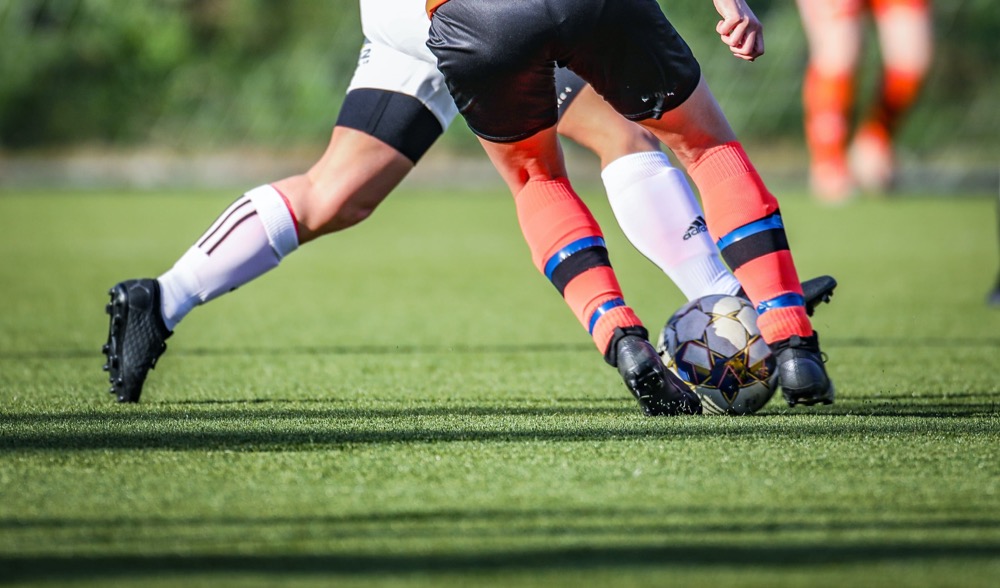
World Cup: South Korea eliminated from group stage - Photo Credit: Sinar Daily
South Korea's disappointing exit from the tournament was more than just a football failure. For many Korean fans, the frustration had been building long before the first match kicked off.
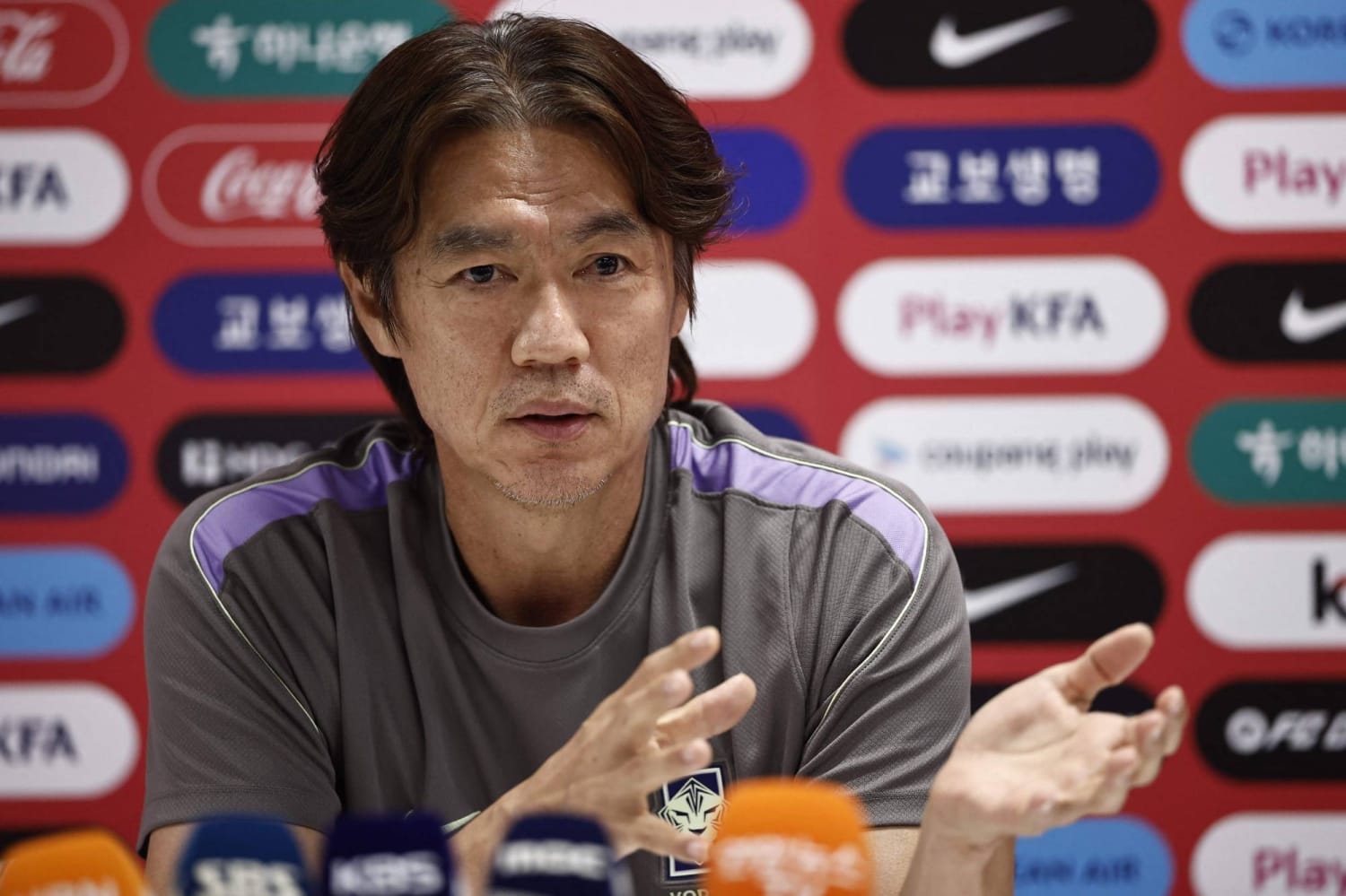
The controversy began with the appointment of head coach Hong Myung-bo. While Hong is widely regarded as one of South Korea's better local coaches, his return to the national team was overshadowed by allegations that the appointment process was not properly followed.
According to widespread reports in South Korea, the national team's coaching selection did not go through the expected consultation process involving the technical committee and appointment panel. Instead, many believed the decision was influenced by personal connections and long-standing alumni networks, an issue that has periodically surfaced in Korean sports.
Whether every allegation is true or not, one thing became clear: many supporters had already lost confidence in the process before a ball was even kicked.
Results Cannot Always Hide Poor Decisions
During his time with Ulsan HD, Hong enjoyed considerable success. However, critics argued that much of the tactical planning came from his coaching staff, while he focused more on discipline and squad management.
There were also recurring discussions among fans over whether certain players received opportunities because of relationships rather than performances. As long as the team kept winning, those concerns remained in the background.
But once results declined at the national team, every questionable decision came under intense scrutiny.
His tactical approach became another major talking point. South Korea has traditionally relied on formations such as 4-2-3-1 or 4-3-3, maximizing its strengths in midfield and attack while compensating for comparatively weaker defenders.
Instead, the national team shifted towards a three-center-back system that relies heavily on dynamic wing-backs.
The problem was obvious.
South Korea simply does not possess enough elite wing-backs capable of playing both ends of the pitch at the highest level. As a result, attacking stars frequently had to drop deeper to help build attacks or cover defensive spaces, reducing the team's offensive threat while still leaving vulnerabilities out wide.
Rather than building tactics around the players available, many felt the players were forced to fit a system that did not suit their strengths.
The Bigger Lesson for Malaysia
This is where the discussion becomes relevant for Malaysia.
Whether in football, business, politics or public institutions, appointments should never be clouded by perceptions of favouritism or insider connections.
Even if the selected individual is qualified, a process that lacks transparency will always invite doubt. Once confidence in the selection process disappears, every decision that follows becomes harder to defend.
Football is ultimately a results-based business. But sustainable success begins much earlier, with fair recruitment, open evaluation and accountability.
Malaysia has often spoken about developing local talent and raising standards across all levels of football. That ambition can only succeed if merit remains the primary criterion for appointments, whether involving coaches, technical directors, administrators or players.
The best person should earn the role because they are the best candidate, not because of personal relationships, school affiliations or influential connections.
Trust Is Earned Through Transparency
South Korea's experience serves as a reminder that even one of Asia's strongest football nations is not immune to governance issues.
Talent alone cannot overcome a system that loses the trust of its supporters.
For Malaysia, the lesson is straightforward. Build transparent systems. Encourage open competition. Reward performance over connections. Make decisions that can withstand public scrutiny.
Meritocracy does not guarantee trophies.
But without it, sustained success becomes far more difficult, and public confidence is often the first casualty.
Share your passion for football through #GilaBola and stand a chance to win cash prizes worth up to RM1,200!
Find out how to join here. Don't miss out! T&Cs apply.
Beru (teckligod@gmail.com) is a content creator under the Newswav Creator programme, where you get to express yourself, be a citizen journalist, and at the same time monetize your content & reach millions of users on Newswav. Log in to creator.newswav.com and become a Newswav Creator now!
The User Content (as defined on Newswav Terms of Use) above including the views expressed and media (pictures, videos, citations etc) were submitted & posted by the author. Newswav is solely an aggregation platform that hosts the User Content. If you have any questions about the content, copyright or other issues of the work, please contact creator@newswav.com.