
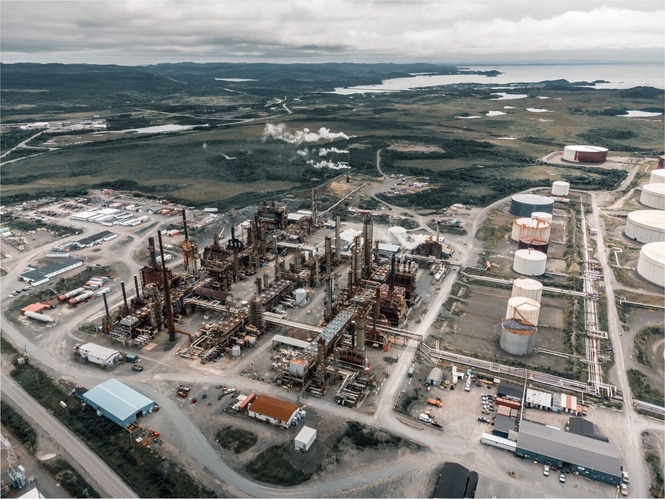
Global oil refining activity fell sharply during the second quarter of 2026 as conflict in the Middle East disrupted crude oil supplies and international energy markets. According to a new report from the U.S. Energy Information Administration (EIA), refineries worldwide processed approximately 4.8 million fewer barrels of crude oil per day, representing a 6% decline from the previous quarter.
The findings, published November 3, 2026, are based on data from energy analytics company Kpler and highlight how geopolitical conflicts can disrupt fuel production across multiple continents.
The decline is particularly significant because refinery activity typically increases during the spring and summer months as companies prepare for higher demand for gasoline, diesel, and jet fuel.
For American consumers, these disruptions matter because global fuel supplies influence gasoline prices, transportation costs, and potentially the prices of everyday goods.
Middle East Conflict Disrupted Global Oil Refining
According to the EIA’s November 3 report, global crude oil refinery inputs declined by 4.8 million barrels per day during the second quarter of 2026 following the outbreak of conflict in the Middle East in late February. The disruption was particularly severe in countries dependent on crude oil shipments through the Strait of Hormuz, a critical international energy transportation route. Restrictions on shipping through the strait reduced the availability of crude oil for refineries and limited exports of refined petroleum products. This was an unusual development because refinery inputs normally increase during the second and third quarters as facilities finish seasonal maintenance and prepare for peak fuel demand. By comparison, global refinery inputs increased by 0.3 million barrels per day during the second quarter of 2025 and another 2 million barrels per day during the following quarter.
Asian Countries Experienced Some of the Largest Declines
China experienced one of the largest reductions in refinery activity, with crude oil inputs falling by 2.1 million barrels per day during the second quarter of 2026. The EIA reported an additional decline of 0.8 million barrels per day in China during the third quarter. India, South Korea, and Japan collectively experienced reductions exceeding 1 million barrels per day in the second quarter before partially recovering later in the year. Middle Eastern producers were also affected, including Kuwait and the United Arab Emirates, which each recorded declines of approximately 700,000 barrels per day. Saudi Arabia and Iran experienced smaller but still significant reductions as shipping disruptions affected regional refining operations and petroleum exports.
Russian Refinery Disruptions Added Pressure to Diesel Markets
The Middle East conflict was not the only geopolitical development affecting global petroleum supplies. According to the EIA, attacks on Russian oil infrastructure during the ongoing Russia-Ukraine conflict reduced Russian refinery inputs by approximately 600,000 barrels per day in the second quarter of 2026. Refinery activity declined by another 800,000 barrels per day during the third quarter, adding pressure to already constrained international fuel supplies. Because Russia is a major exporter of diesel fuel, these disruptions contributed to particularly difficult conditions in global diesel markets. The EIA reported that diesel prices reached their highest nominal levels on record in September 2026, reflecting the combined effects of reduced refining activity across several major producing regions.
U.S. Refineries Increased Production as Global Supplies Tightened
While refinery activity declined in much of Asia and the Middle East, the United States experienced the opposite trend. American refinery inputs increased by approximately 500,000 barrels per day during the second quarter of 2026 and rose by another 500,000 barrels per day during the third quarter. According to the EIA, U.S. refiners expanded exports of petroleum products to help compensate for reduced international supplies. This increased production helped supply global markets during a period when several major refining regions were experiencing disruptions. However, stronger domestic refinery activity does not necessarily insulate American consumers from higher fuel prices because petroleum products are traded in interconnected international markets.
What Higher Fuel Costs Could Mean for Household Budgets
Changes in global refinery activity can eventually affect household expenses, even for consumers who do not closely follow international oil markets. Gasoline and diesel prices influence the cost of commuting, transporting groceries, delivering merchandise, and operating businesses that depend on commercial vehicles. For example, a household purchasing 40 gallons of gasoline weekly would spend approximately $20 more each week if prices increased by 50 cents per gallon. Over a full year, that hypothetical increase would amount to more than $1,000 in additional transportation expenses. Although the EIA report does not quantify the direct household impact of the 2026 disruptions, its findings demonstrate why global refining shortages can create financial pressure beyond the energy industry.
Global Refinery Activity Recovered, but Remained Below 2025 Levels
Global refinery inputs began recovering during the third quarter of 2026 as petroleum shipments through the Strait of Hormuz increased and companies adjusted their transportation arrangements. The EIA reported that refinery inputs rose by approximately 1.8 million barrels per day during the quarter as alternative shipping routes and ship-to-ship transfers helped restore crude oil supplies. However, that improvement did not fully reverse the substantial losses experienced earlier in the year. Global refinery inputs during the third quarter remained approximately 5% below their levels during the same period in 2025. The incomplete recovery illustrates how disruptions to international energy infrastructure can continue affecting petroleum markets even after some supply routes reopen.
Why Global Oil Disruptions Matter for Your Wallet
The 6% decline in global refinery inputs during the second quarter of 2026 demonstrates how quickly international conflicts can disrupt energy production and distribution. Although global refinery activity partially recovered during the following quarter, petroleum markets continued facing supply challenges that contributed to higher diesel prices. For American households, the financial implications extend beyond gasoline purchases because transportation and energy expenses can influence the costs of groceries, deliveries, and other necessities. Consumers looking to understand changing fuel prices can monitor official updates from the U.S. Energy Information Administration rather than assuming that domestic production alone determines what they pay. With global energy markets remaining sensitive to geopolitical developments, keeping transportation and energy expenses in mind can help families prepare for potential changes in their monthly budgets.
What to Read Next
You Win $250,000 in a Contest — How Much Could Taxes Take?
The Financial Cost of Supporting Adult Children Into Their 30s
A Financial Influencer Promises Guaranteed Returns — What Should You Check?
The post Global Oil Refining Drops 6% After Middle East Conflict, Raising Concerns About Fuel Costs appeared first on The Free Financial Advisor.