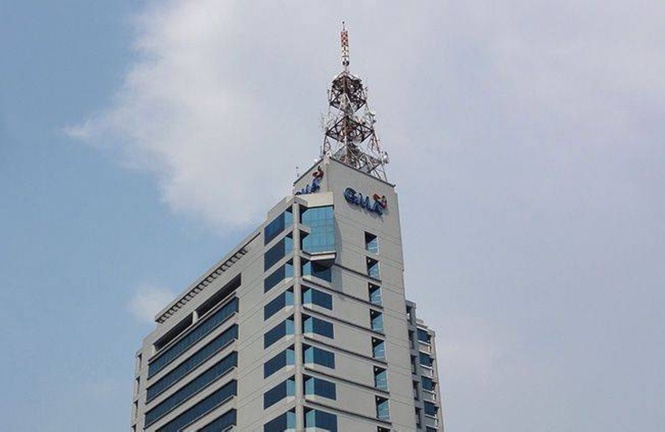
GMA Network Inc. is asking the National Telecommunications Commission (NTC) to extend the deadline for the shutdown of analog television broadcasting, citing pending concerns over the implementation of a government assistance program.
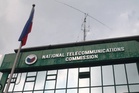
NTC Deputy Commissioner Alvin Blanco said GMA's request was primarily anchored on the assistance program under a joint memorandum circular (JMC), which is being handled by the Department of Information and Communications Technology (DICT).
Under the circular, the DICT, NTC, Presidential Communications Office (PCO) and other relevant agencies will lead efforts to develop an assistance program to ensure that no television households are disenfranchised during the analog shutdown.
Blanco said the network cited the pending implementation guidelines for the assistance program as one of the reasons for asking the NTC to reconsider extending the digital TV transition deadline.
He said the NTC would refer GMA's letter to the DICT, which needs to address the concerns raised by the broadcaster.
"For now, unless we receive advice from the DICT to consider studying the possibility of an extension, the memorandum circular stands," Blanco said.
NTC Memorandum Circular No. 005-11-2025, issued in November 2025, requires television stations in covered areas to migrate to the Integrated Services Digital Broadcasting-Terrestrial (ISDB-T) standard within 12 months of its effectivity, or by Nov. 22, 2026.
About 80 percent of television households in Mega Manila were already receiving digital TV broadcasts as of December 2024, according to a survey by Kantar Media Philippines commissioned by the DICT.
The first phase of the transition covers Metro Manila and the provinces of Bulacan, Cavite, Rizal, Laguna, Pampanga and Bataan.
Blanco added that should the government decide to grant an extension, the NTC would have to revisit the existing memorandum circular and follow the required procedures.
Digital terrestrial television allows viewers to access more programs through a single broadcast channel, while analog television generally carries only one program per channel. Digital broadcasting also offers better picture and sound quality and more reliable signal reception.
The technology can also support an emergency warning broadcast system, allowing authorities to send alerts during disasters and other emergencies.
Blanco said the NTC would assess the readiness of other areas before setting their respective analog television switch-off schedules.