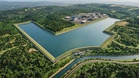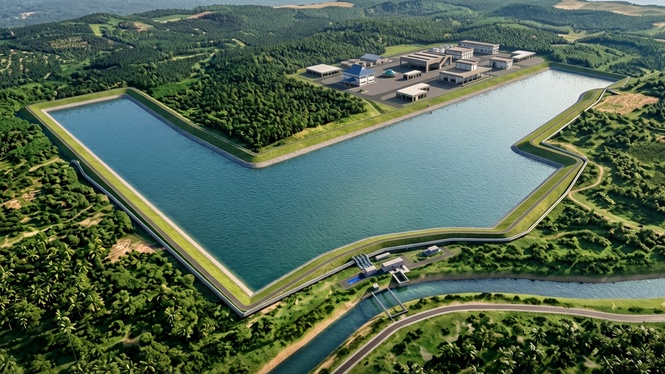
Google has pledged US$160 million (~RM650.9 million) to develop shared water infrastructure along the Linggi River in Negeri Sembilan. The new project will support local community needs and its upcoming data centre campus at Springhill Industrial Park, Port Dickson.
The infrastructure project involves building an off-river storage reservoir and a water treatment plant capable of supplying 65 million litres of drinking water per day. Gamuda Berhad has been contracted to build these facilities, which will be owned by the state investment vehicle, Menteri Besar Negeri Sembilan Incorporated (MBINS) once completed.
The storage reservoir is designed to capture high-volume runoff and rainfall along the Linggi River basin, aiming to ease flood risks in nearby zones while holding reserves that the plant can treat during drier weather without draining the river’s baseline flow.
The setup aligns with Google’s broader target to replenish 120% of its operational freshwater usage, according to Drew Byrnes, the company’s Asia Pacific infrastructure lead.
Google’s Utility Demands and Grid Commitments
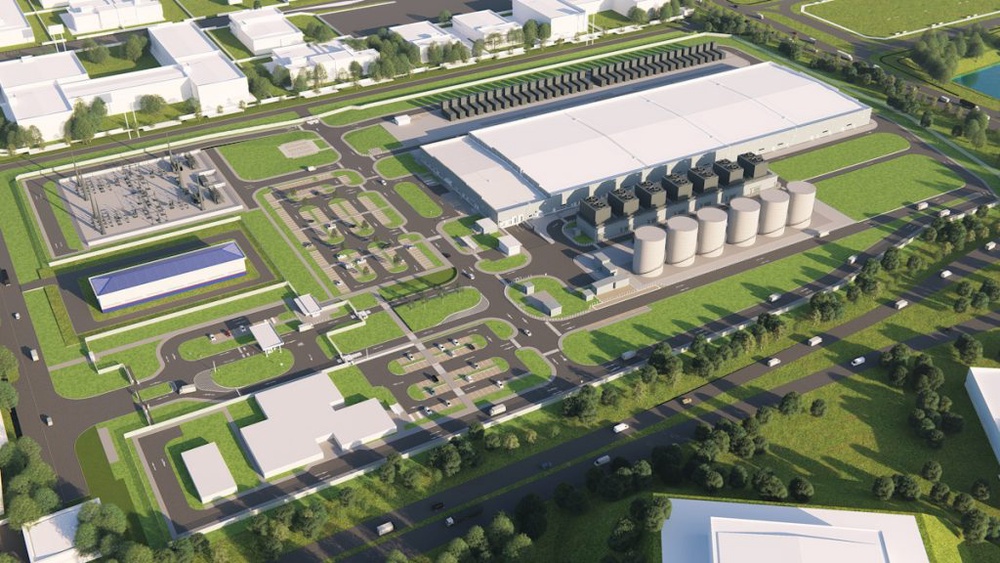
Data centre investments across Southeast Asia have drawn increasing scrutiny over their heavy consumption of regional power and water resources. Addressing those concerns, Google stated it will pay for 100% of the electricity consumed by the Port Dickson site, along with the capital costs needed to connect the facility to the national grid.
To offset its electricity demand, Google is tapping Corporate Green Power Programme (CGPP) mechanisms via Power Purchase Agreements (PPAs). These contracts include sourcing power from a 29.99MWac solar facility in Gurun, Kedah, developed by a consortium comprising Shizen Energy, Solarvest Holdings, and HSS Engineering.
Google has also signed a 21-year PPA with TotalEnergies to obtain supply from the Citra Energies 29.99MWac solar plant in Kulim, Kedah. The plant is developed in collaboration with local partner MK Land.
Once operational, the Port Dickson site will handle domestic computing capacity and artificial intelligence workloads for Google’s consumer and enterprise tools. This includes services such as Gemini, Search, Maps, Chrome, YouTube, and Workspace.
New Education and Workforce Programs in Negeri Sembilan
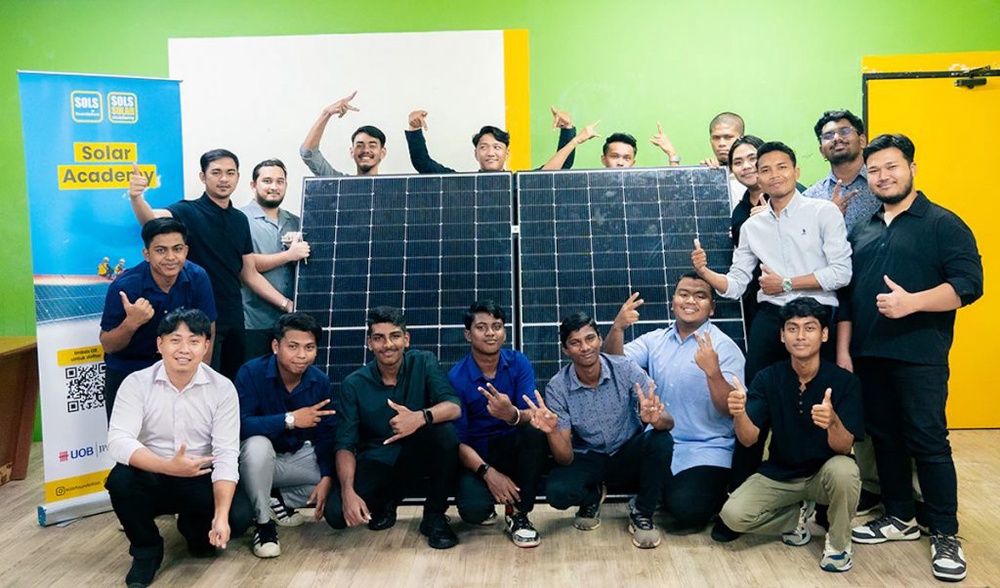
The tech giant also outlined two corporate social responsibility programs set to roll out in the state starting in early 2027 in partnership with the SOLS Foundation:
- School solar labs: Selected public schools will receive small-scale solar arrays (2.56 kWp) and battery systems (5.4 kWh) intended for technical education and supplemental power.
- Vocational training: A 36-hour digital skills track will be added to the SOLS Solar Academy to train youth from lower-income and Indigenous backgrounds in solar installation design, grid monitoring, and field reporting.
Today’s announcement marks Gamuda’s second data centre development deal with Google, following an ongoing project at Elmina Business Park in Selangor.