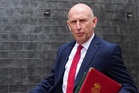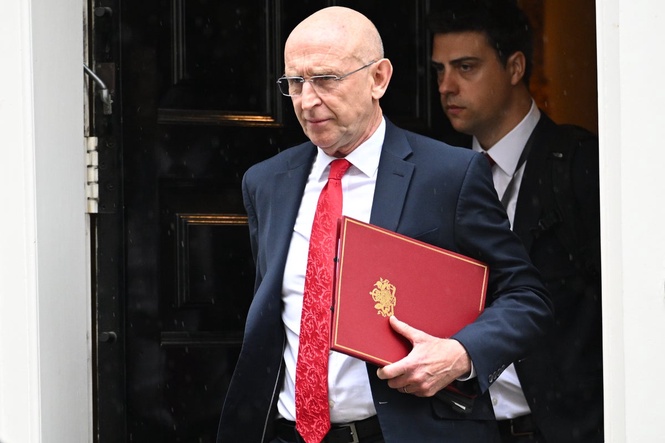
UK Government borrowing climbed higher than anticipated in August, hitting its second-highest mark for the month on record and intensifying the strain on Chancellor John Healey weeks ahead of his maiden autumn Budget.
Official data from the Office for National Statistics (ONS) revealed that public sector net borrowing reached £18.3 billion last month, exceeding official forecasts by £3.5 billion.
This represents a £2.9 billion—or 19%—increase compared to August last year, placing it as the highest figure for the month since 2020.
Net borrowing by the public sector measures the shortfall between total Government expenditure on public services and its earnings from taxation alongside other revenue streams.
According to the ONS, the surge was driven by state spending outstripping the growth in tax revenues and other income.
This imbalance was pushed up in part by inflationary pressures, as well as rising outlays on state pensions and social security benefits.
In addition, central Government debt interest payments surged to £8.8 billion in August, setting a record high for the month since data collection began.
Elevated inflation fueled this increase by raising interest obligations on Retail Prices Index (RPI)-linked Government bonds, or gilts, making debt maintenance costs increasingly volatile.
The escalating cost of servicing debt poses serious obstacles for Mr Healey, whose maneuverability remains tight with just a month remaining before he delivers his autumn Budget statement in October.
Analysis from KPMG economists on Monday suggested that higher debt interest following the Middle East conflict has already wiped roughly £9 billion from the Treasury's fiscal headroom.
Combined with sluggish growth across the economy, experts warn this could leave the Chancellor with a modest cushion of around £12 billion heading into the autumn.
Emma Reynolds, the Chief Secretary to the Treasury, stated: "Britain has huge potential to deliver good growth in every postcode, creating jobs, raising living standards and investing in the services people rely on.
"But we can only deliver that growth with fiscal discipline.
"At a time when debt interest costs billions of pounds that could otherwise be spent on improving lives, we must always know where the money is coming from to pay for public services.
"That is why we are committed to meeting our fiscal rules with a buffer against uncertainty, taking the tough decisions needed to keep the public finances on a sustainable path."
Since the start of the current financial year in April, cumulative Government borrowing has risen to £77.3 billion.
While this figure is £2.2 billion lower than during the equivalent period a year ago, it stands £8.1 billion above the predictions set out by the Office for Budget Responsibility (OBR) in March.
Analysts noted that the expanded borrowing narrows the scope for the Chancellor and Prime Minister to fulfill key commitments, including measures to alleviate cost-of-living pressures.
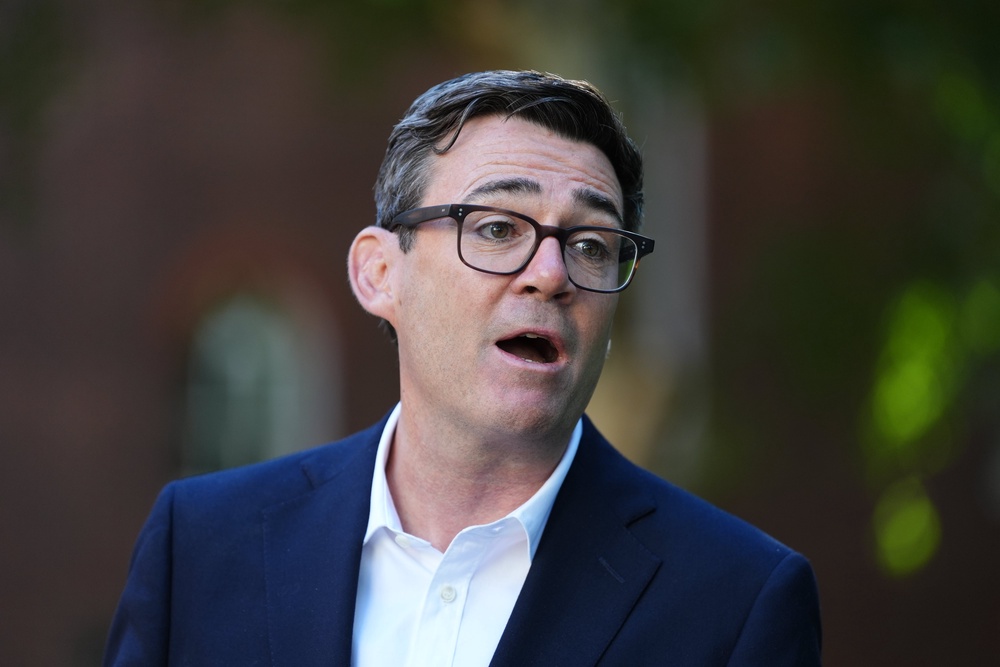
Matt Swannell, chief economic adviser to the Item Club, remarked: "Prime Minister Andy Burnham has previously hinted at measures to ease the cost of living, but the latest leg up in Government borrowing costs limits the scope for significant support.
"Instead, the Chancellor may have to announce modest fiscal tightening to preserve a tolerable margin for error against the fiscal rules."
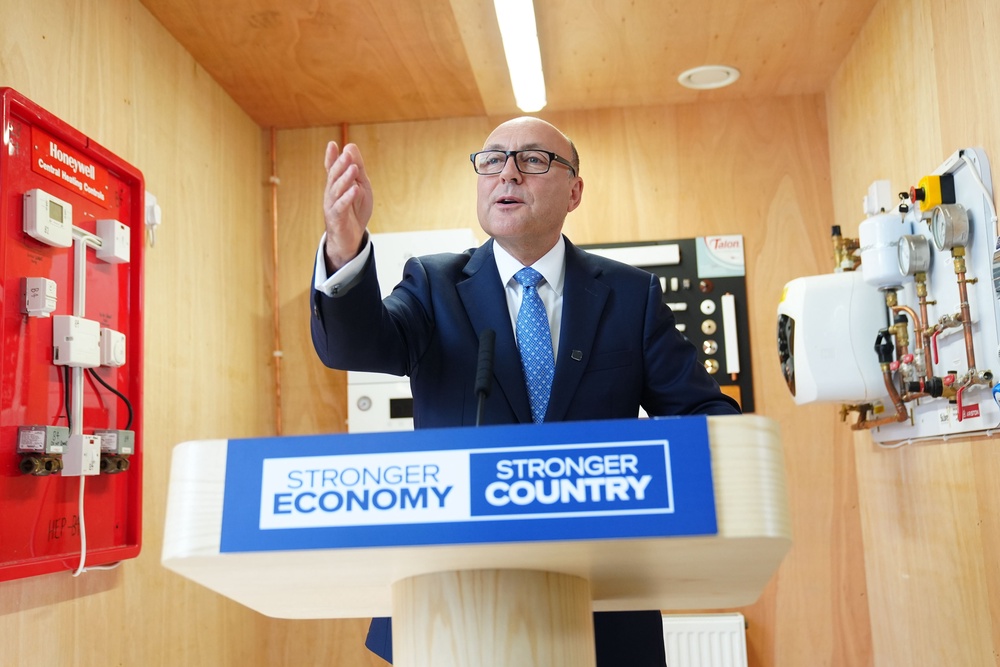
Thomas Pugh, chief economist at RSM UK, observed: "The jump in borrowing in August compared to last year sets the stage for what is likely to be a much trickier Budget than Burnham or Healy anticipated when they came to power just a few months ago.
"Another round of tax rises in October now looks inevitable."
Mr Pugh projected that the Chancellor’s remaining fiscal headroom will fall between £10 billion and £15 billion—down significantly from the £24 billion buffer left by his predecessor Rachel Reeves to maintain balanced public accounts.
"As long as the headroom is in double figures he will probably be able to avoid topping it up, but the drop means any additional day-to-day spending, such as on defence or cost of living, will have to be paid for by higher taxes," he added.
Andrew Griffith, shadow chancellor for the Conservatives, claimed in response to the ONS statistics that the Labour administration has "lost control of the public finances".
"They are borrowing so much they’ve overshot the OBR forecast by an extra £8 billion of debt," he remarked.
"It takes a rare fiscal incontinence to both have the highest tax take in history and see borrowing still shoot up."
Read MoreUK nightlife shows signs of recovery as bars demand government action
UK politics latest: Burnham insists he can ‘trust’ Trump ahead of first meeting
Burnham to tell UN that UK is not ‘on the slide’ after decade of Brexit turbulence
New law will see right to bereavement leave cover miscarriages and terminations
Burnham responds to Danny Dyer after actor’s expletive-laden rant about PM
Manchester to host G20 summit in 2027 with Burnham to welcome major world leaders