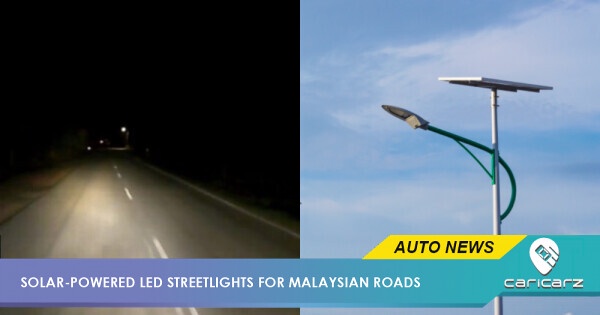
No more white-knuckle driving through pitch-black highway lanes during a heavy midnight downpour.
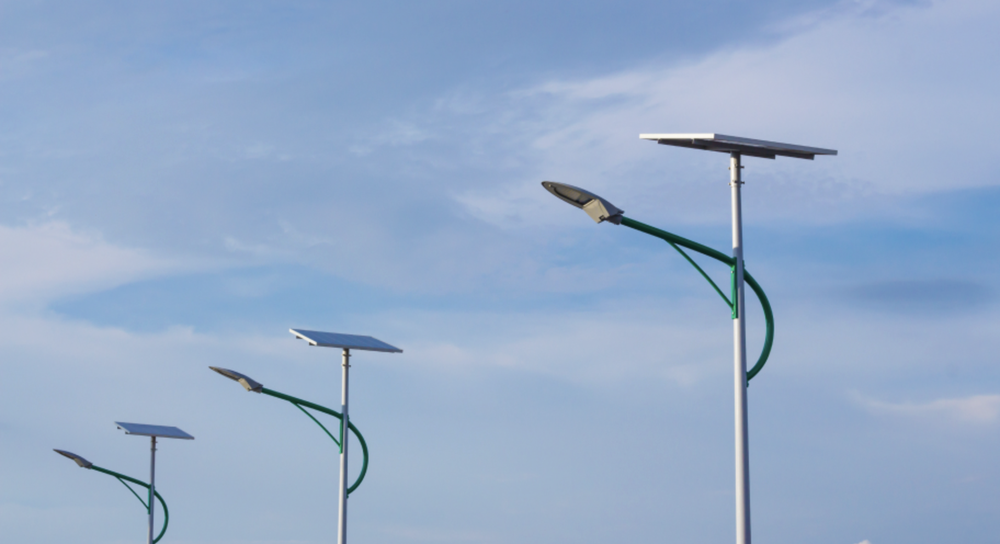
As part of a major safety push under the Pantau Madani initiative (backed by Budget 2026), the Ministry of Works has officially greenlit a RM25.24 million funding block to install 3,000 solar-powered LED streetlights at 32 notorious accident blackspots nationwide.
The goal? To drastically cut down night-time fatal crashes by targeting areas where low visibility and bad weather create a recipe for disaster. The entire project is moving on an aggressive timeline and is expected to be fully completed by the end of November 2026.
Where Are The 3,000 Lights Going?The Malaysian Highway Authority (LLM) pulled concrete data from the Malaysia Highway Road Accident Database and Analysis System (MHROADS). Any stretch scoring 15 points or higher on their risk assessment index was prioritized.
If you frequently drive interstate or travel back to your hometown, here is exactly how the 3,000 lights will be distributed across major concession networks, including the North-South Expressway (PLUS), Karak Expressway, and the East Coast Expressway (LPT 1 & 2):
PANTAU MADANI: REGIONAL DISTRIBUTION MAPWhere the 3,000 new solar-powered LED streetlights are being deployed
Region Total Solar LED Streetlights Number of Blackspots Targeted Southern Region 1,305 units 11 high-risk locations Northern Region 691 units 9 high-risk locations Eastern Region 690 units 9 high-risk locations Central Region 314 units 3 high-risk locations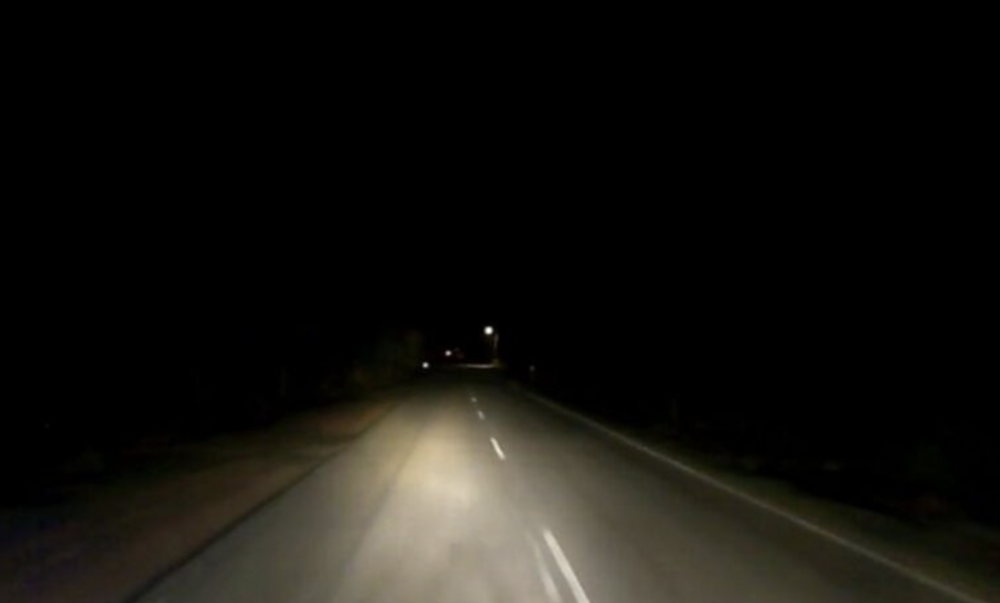
A common worry with solar infrastructure in Malaysia is what happens during consecutive gloomy, rainy days when the sun refuses to show up.
LLM Director-General Datuk Mohd Hadzmir Yusoff clarified that these aren't standard consumer-grade solar cells. The engineering setup is highly optimized for tropical weather patterns:
4.5 Hours Core Charge: The units require a minimum of just 4.5 hours of effective daylight to store a full electrical charge.Deep Cycle Battery Backup: They come equipped with heavy-duty Deep Cycle batteries. This allows the system to remain fully operational for at least two consecutive days even during heavy cloud cover or continuous storms.Mohd Hadzmir emphasized that this project won't just be measured by physical poles in the ground, but by its direct impact on bringing accident rates down and keeping Malaysian families safe on the road.
Source: NST