.png)

March 1st marked a sudden price surge for Malaysians due to the government's decision to introduce an 8% SST on selected services, contradicting promises of consumer relief. The unforeseen price hike emphasizes the necessity for thoughtful planning in tax policy implementation to avoid adverse effects on citizens and the economy.
In 2018, Malaysia transitioned from the Goods and Services Tax (GST) to the Sales and Services Tax (SST), aiming to ease the financial burden on consumers. However, this shift may have come at a substantial cost, evidenced by the loss of approximately 40 billion Malaysian Ringgit in government revenue. GST's broad-based approach, a robust revenue generator, was replaced by SST, creating a void impacting essential public services, infrastructure projects, and social welfare programs.
Contrary to expectations, SST failed to deliver the desired consumer relief as inflation persists and food prices remain high. The intricate web of exemptions and varying tax rates under SST has introduced uncertainties and complexities, potentially hindering its efficacy in achieving intended economic outcomes.
An upswing in Sales and Service Tax (SST) not only hits selected products as claimed by the government but triggers a chain reaction. Increased transportation costs boost prices for delivered goods, spanning from food to clothing. Simultaneously, a government-mandated electricity cost hike for usage exceeding 600kw amplifies production costs, impacting the accessibility and affordability of various supplies. This is compounded by the fact that increased factory output, aimed at meeting demand, further drives up the prices of goods purchased by the people. The government's oversight in addressing these issues will ultimately cost the rakyat dearly, as they bear the brunt of escalating expenses in the end.
Globally, three-quarters of the world favor GST for promoting economic efficiency and reducing tax cascading. GST's broad-based nature ensures a fair distribution of the tax burden and streamlines administrative processes, making it a preferred choice for many nations.
It's time for Malaysia to reconsider its stance on GST, acknowledging that its demonization may have been more political than economic. Restoring GST requires courage and a commitment to the nation's long-term economic well-being.
Quoting Winston Churchill, "The price of greatness is responsibility." Urging the Malaysian government to reconsider the decision to abolish GST, this is a plea to rectify the economic misstep. Reintroducing GST can secure a steady income, boost economic growth, and contribute significantly to the overall well-being of the nation. It's about doing the right thing for the greater good of Malaysia.
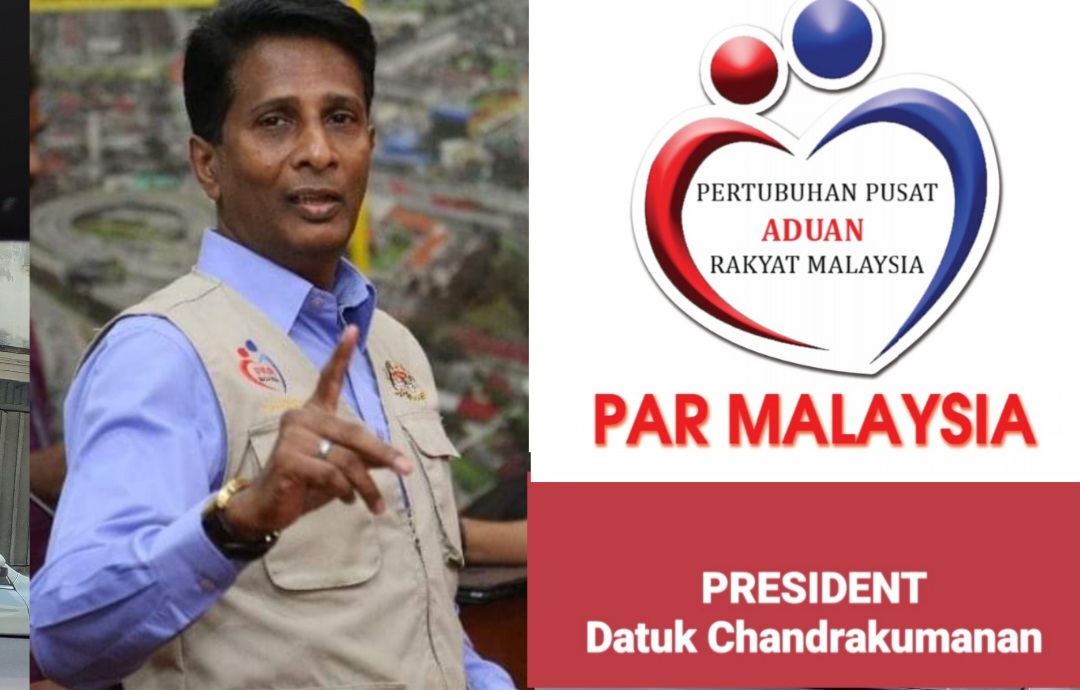
Chandrakumanan A is a content creator under the Newswav Creator programme, where you get to express yourself, be a citizen journalist, and at the same time monetize your content & reach millions of users on Newswav. Log in to creator.newswav.com and become a Newswav Creator now!
The User Content (as defined on Newswav Terms of Use) above including the views expressed and media (pictures, videos, citations etc) were submitted & posted by the author. Newswav is solely an aggregation platform that hosts the User Content. If you have any questions about the content, copyright or other issues of the work, please contact Newswav.