

In a country where religion and food intertwine with national identity, the recent uproar over halal certification for ham and cheese sandwiches has sparked heated debates, exposing underlying tensions in Malaysia's social fabric.
The latest update gathered indicates that the chicken ham ingredient is halal-certified, although the whole sandwich with all its ingredients is not, as the company's halal certificate has expired. Does this mean the sandwich is halal but not halal-certified?
Let's peel back the layers of this unfolding drama as outlined in a report by the Malaysiakini portal.
The controversy erupted on January 10, 2025, when Pembina Universiti Malaya, a student group linked to Ikatan Muslimin Malaysia (Isma), posted a video raising concerns about the halal status of ham and cheese sandwiches sold at KK Mart outlets on the University of Malaya campus.
A Pembina UM member claimed that the halal logo on the packaging was not authentic, and a check on the Islamic Development Department’s (Jakim) halal directory revealed no certification.
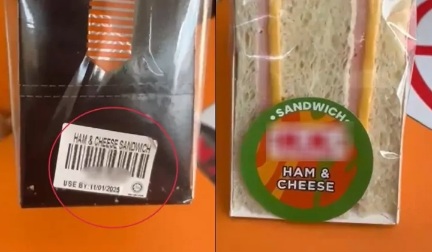
The video questioned how ham, a product traditionally associated with pork, could be halal. The day after the video went viral, two KK Mart outlets were closed for investigation.
By January 12, 2025, Umno Youth Chief Datuk Dr. Akmal Saleh also chimed in, posting a video demanding answers on how ham could ever be halal. To add clarity, “ham” traditionally refers to pork, a non-halal food in Islam.
However, in the 1970s, an innovation emerged: cured turkey thigh meat, which led to the development of "ham" made from chicken or turkey. In Malaysia, halal-certified ham is typically made from turkey or chicken, and is labelled as such to avoid confusion. But KK Mart's sandwich used the word “ham” without specifying the animal source, igniting suspicion.
KK Mart later clarified that their ham was actually chicken ham, which had halal certification. Despite this, the fuss continued. Under halal certification guidelines, products with names like "ham" cannot be certified, even if the ingredients themselves are halal. This left the public questioning whether the sandwich was truly halal.
Halal certification in Malaysia serves as a guide for Muslims to ensure that food products meet both halal (permissible) and toyyiban (clean) standards. While it’s not a requirement in Islam to have a halal logo, the increasing demand for certified products has made it a critical issue for many consumers.
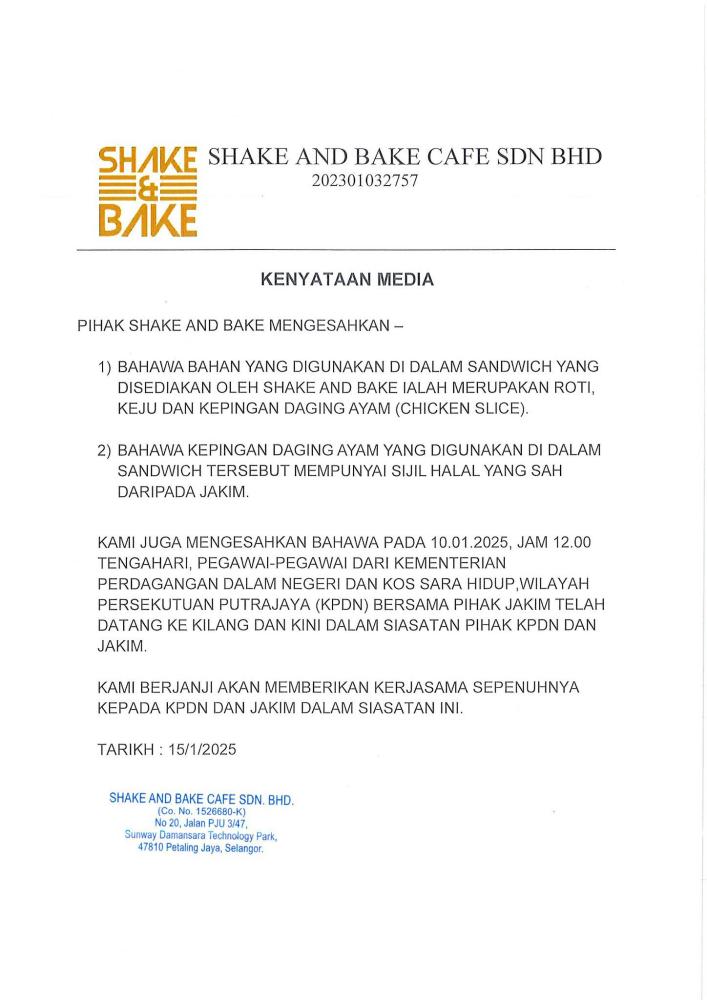
In the case of KK Mart's sandwiches, while the chicken ham and cheese slices used were certified halal by Jakim, the sandwiches themselves did not carry halal certification. The factory producing the sandwiches lacked a valid halal certificate, and further investigation revealed that the company manufacturing them had been using an expired certificate from a previous owner.
This breach of halal standards led to KK Mart taking legal action against the supplier, Shake and Bake Cafe. Additionally, Jakim and the Ministry of Domestic Trade and Cost of Living raided the supplier’s factory.
While the sandwiches may have used halal ingredients, the lack of certification and unauthorized use of halal logos raised serious concerns to consumers about the integrity of the product.
This incident has shone a spotlight on the complexity of halal certification in Malaysia, igniting a fiery debate over food authenticity and religious standards in the marketplace.
By: Kpost
Information Source:
Kpost is a content creator under the Newswav Creator programme, where you get to express yourself, be a citizen journalist, and at the same time monetize your content & reach millions of users on Newswav. Log in to creator.newswav.com and become a Newswav Creator now!
The User Content (as defined on Newswav Terms of Use) above including the views expressed and media (pictures, videos, citations etc) were submitted & posted by the author. Newswav is solely an aggregation platform that hosts the User Content. If you have any questions about the content, copyright or other issues of the work, please contact Newswav.

