

Breathing exercises are a great way to reduce stress and anxiety. They are simple, effective, and can be done anywhere, anytime.
Other than reducing stress, other benefits of effective breathing techniques include :
a. Improved oxygenation
b. Improve sleep
c. Enhanced mental clarity
d. Improved lung capacity
Why effective or correct breathing techniques can reduce stress and anxiety.
(a) Effective breathing techniques will increase the oxygen level and lower the carbon dioxide level in the blood and thus reducing the need for higher heart rates and getting rid of the agitated feeling.
(A high carbon dioxide level will cause the agitated feeling that is common during stress)
(b) During deep inhalation the collapsed alveoli (caused by shallow breathing) reinflate with air. This increases the surface area of the lungs and removes carbon dioxide from the body much more efficiently. This makes the body feel more relaxed.
(c) Breathing techniques can help activate your parasympathetic nervous system and promote relaxation.
(Refer to Part 1 for an explanation of the sympathetic and parasympathetic nervous systems)
In Part 1, we look at how sighing purposely can reduce stress level immediately.
In Part 2, we look at how abdominal breathing or diaphragmatic breathing (like a baby) can reduce stress.
Both methods aim to control the body first by controlling breathing. This involves controlling the muscles between the ribs and the diaphragm (considered a muscle) involved in inhalation and exhalation. This is easy because these muscles are voluntary muscles.
(Refer to Part 2 for the inhalation and exhalation mechanisms)
By controlling the body (breathing), the more difficult task of controlling the mind can be achieved (tell it to slow down the heart rate) through stimulation of the sympathetic nervous system.
(Refer to Part 1 for an explanation of the sympathetic and parasympathetic nervous systems)
In this article, we will explore 3 other effective breathing techniques for reducing stress and anxiety through the same strategy - controlling the body (effective breathing techniques - easier) to control the mind (slow down heart rate - more difficult)
1. Nose breathing
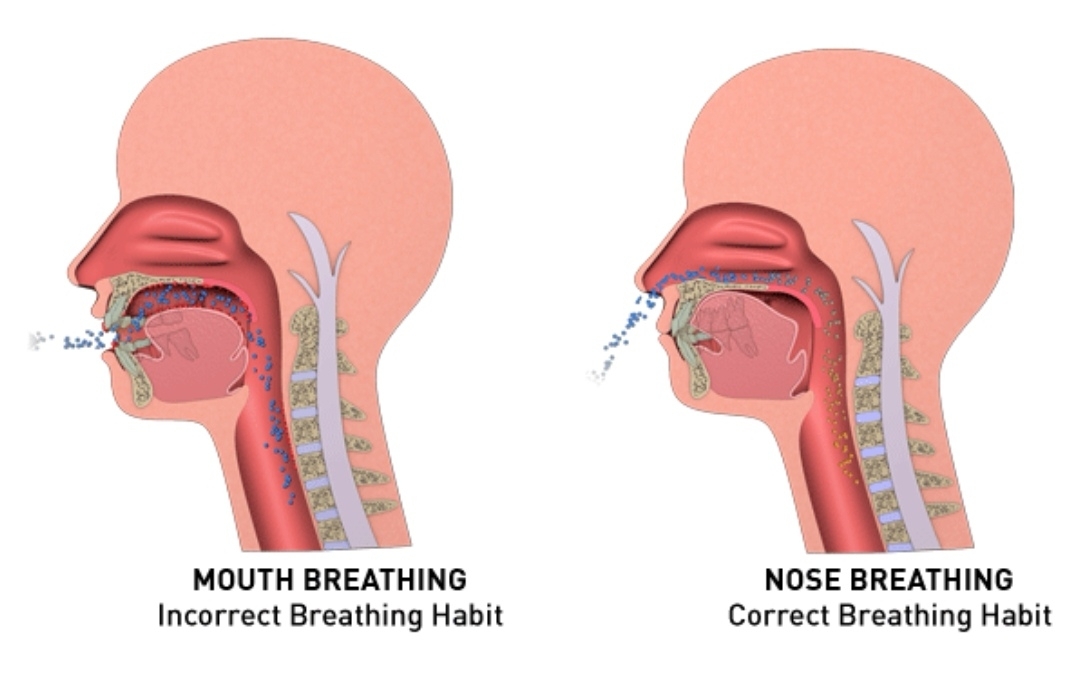
Nose breathing has many benefits :
(i) Filtration and purification of the air : The nasal hairs filters out dust, allergens, and pollen, which helps prevent them from entering your lungs.
(ii) Humidification of the air which prevents dryness and irritation in the respiratory tract.
(iii) Warms the air reducing the risk of respiratory problems in cold conditions.
(iv) Nitric oxide production which helps dilate the blood vessels and improve oxygen uptake in the lungs.
(v) Better lung ventilation because nasal breathing allows for more efficient and even distribution of airflow in the lungs.
(vi) Reduced stress because breathing through the nose activates the parasympathetic nervous system, promoting relaxation and reducing stress levels.
(vii) Improved lung capacity because nose breathing engages the diaphragm more effectively, which can enhance lung capacity and improve oxygen uptake.
(viii) Enhanced focus and concentration: Nasal breathing has been linked to better cognitive function, concentration, and memory.
(ix) Better Sleep: Practicing nasal breathing, especially during sleep, can reduce the risk of sleep apnea, snoring and other sleep-related issues.
How to carry out nose breathing:
a. Relaxation: Find a quiet and comfortable place to sit or stand.
b. Position: Sit up straight with your shoulders relaxed.
c. Close Mouth: Close your mouth gently, keeping your lips together.
d. Inhale: Inhale slowly and deeply through your nose, allowing your diaphragm to expand.
e. Exhale: Exhale slowly through your nose, controlling the airflow.
f. Observe: Pay attention to the sensation of the air entering and leaving your nostrils.
g. Repeat: Continue this pattern of inhaling and exhaling through your nose.
2. 4-7-8 breathing
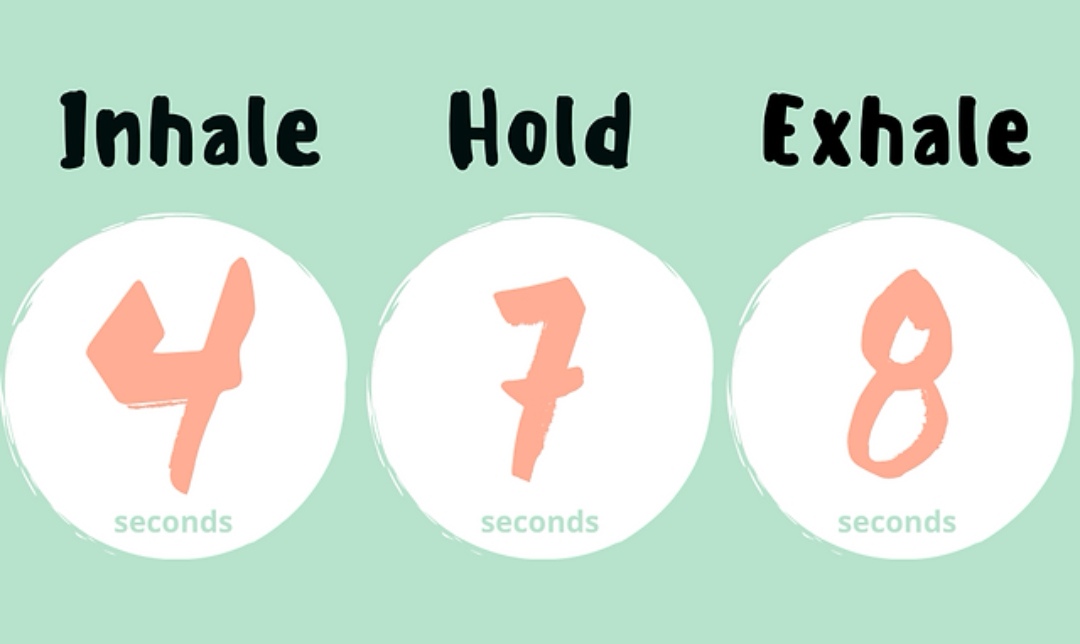
People may consider trying 4-7-8 breathing to aid sleep.
This exercise can help ease a busy mind before going to bed.
Focusing on the breath and counting can distract from worries or stress as a person tries to fall asleep.
This technique also helps breathing become more regular and can relax the body.
Before starting this exercise, people should rest the tip of the tongue against the roof of the mouth, try to relax the muscles, and breathe out fully through the mouth.
How to carry out the 4-7-8 breathing technique:
a. Breathe in through the nose for a count of four.
b. Hold the breath for a count of seven
c. Part the lips and exhale loudly for a count of eight.
3. Box breathing
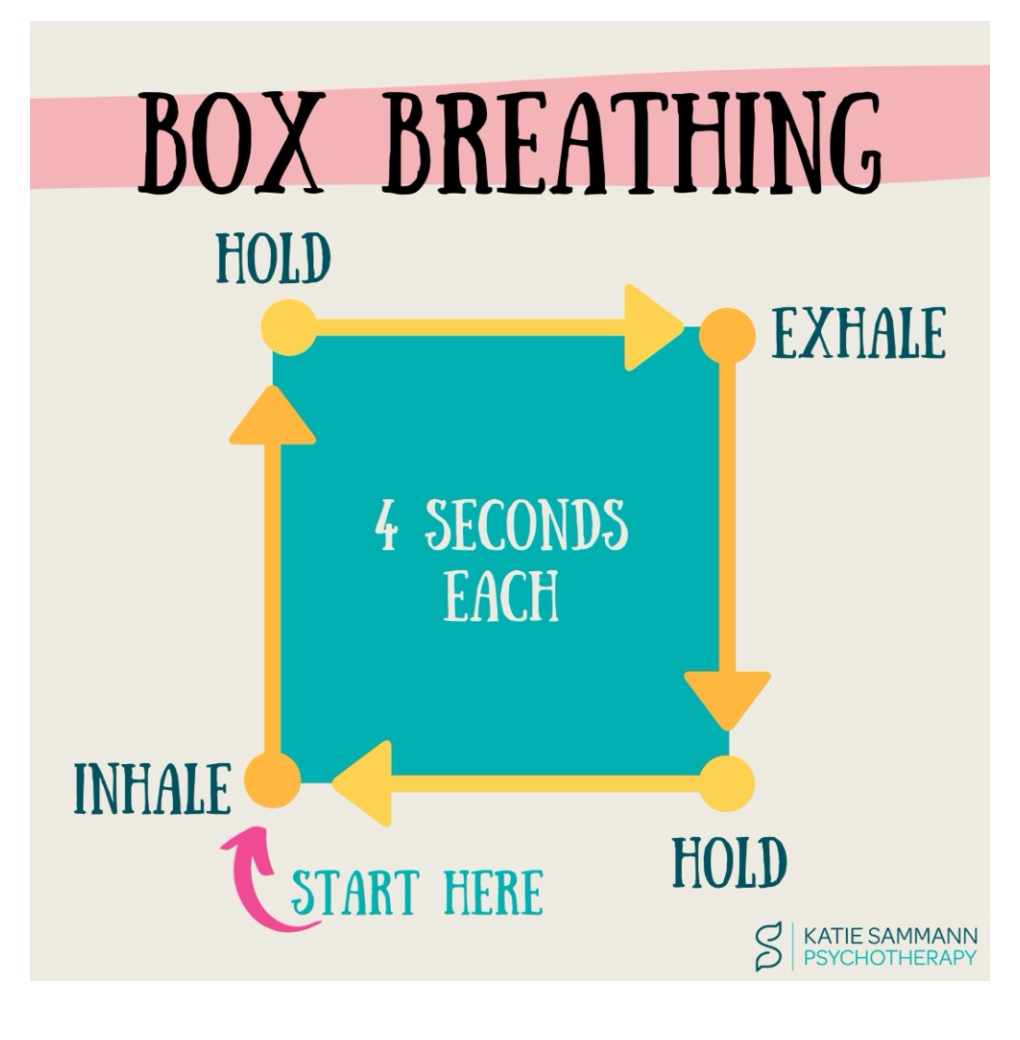
People may consider trying box breathing to relieve stress or boost concentration.
Box breathing, or square breathing, is a way to slow down breathing rate. It can help reduce stress, in addition to improving concentration and focus.
For the best results, people should sit upright in a comfortable chair. Sitting up straight makes it easier to breathe in and out fully. Resting the hands palm upward in the lap or on the knees can help the upper body stay relaxed.
How to carry out box breathing :
a. Breathe in through the nose for a count of four, filling the lungs
b. Hold the breath in the lungs for a count of four
c. Breathe out slowly through the mouth for a count of four, emptying the lungs fully
d. Wait for a count of four before breathing in again
For lung conditions (like COPD) , breathing exercises may be one part of pulmonary rehabilitation. Other aspects of treatment may include exercises, physical therapy, and health information.
However, breathing techniques should never replace medical treatment. These exercises work best alongside other treatments.
Stress and anxiety can be different for everyone. Breathing techniques can reduce stress quickly in a difficult situation or help create a good routine for sleep. techniques.
Breathing techniques, although effective, are not the only methods to handle stress. Other treatments include therapy, medication and mindfulness exercises.
Kevin Wong is a content creator under the Newswav Creator programme, where you get to express yourself, be a citizen journalist, and at the same time monetize your content & reach millions of users on Newswav. Log in to creator.newswav.com and become a Newswav Creator now!
The User Content (as defined on Newswav Terms of Use) above including the views expressed and media (pictures, videos, citations etc) were submitted & posted by the author. Newswav is solely an aggregation platform that hosts the User Content. If you have any questions about the content, copyright or other issues of the work, please contact Newswav.
