Social media has become a large integral part of our lives, even more so as once again, technology has advanced so much, traditional phone calls and text messages are not the same anymore with the rise and innovation of multiple message platforms: Whatsapp, FB Messenger, Discord, Telegram to name a few.
Back in the day, circa mid-90s in the past, growing up in the era of MySpace, Friendster and MSN Messenger days, social media was what it was defined to be on the internet: social media, a place to socialize through the internet, meet, connect and grow a network in the online spaces with different kinds of people across the globe. Even online dating had already started around then (yes, I still remember what it was like having to explore ‘online dating’ back in the Friendster days). What’s more, making a presence in social media also meant sharing a portion of your life online that gets carried over offline.
An update about a new job, wanting to make a post about a rainy day, got a new pet, getting upset over bad grades or a bad day at work – all of these get posted online as a life update on the social media page, people feel a sort of connection getting to know these updates. Truth is, we naturally want people to know some or most parts of our lives, be it with a few circles of friends or to the public (when it’s not a private account).
However, one of the greyest and most complex issues when it comes to social media limitations and negative sides have always been the issue of privacy. It’s an old but still useful advise to always make sure not to share too much, to be very cautious of who we allow in our own online space and who we should filter – it was also what the block, ban, restrict and mute functions were made for. Dealing with trolls? Block. Dealing with online hate? Block.
Privacy has also still become one of the factors for major debates when it comes to cyberbullying because trolls, haters and cyberbullies do not have any consideration nor sense of morality to spread that hate – cyberbullying is considered a ‘violation of privacy’ as well.
Unfortunately, social media has evolved so much now to the point that it has become more compulsory to at least have a social media presence in this time of age. It used to be that it was not entirely necessary and there was more freedom in filtering and managing private and public accounts.
In fact, some companies have their own policies of ensuring that an individual need to inform of what social media accounts they do have or if they have a proper, more public-friendly personal social media account to be associated with the company. It really depends as well.
In my case, as someone who is working in the digital marketing department, social media managing and social media marketing are part of my responsibilities on a daily basis. I have a personal account in almost every named social media platform there is here, it does help a lot when it comes to applying the knowledge, information and research I do for marketing just by being active with my social media presence on my personal accounts.
The main issue is, as someone who is usually active with keeping up updates and sharing too much on my social media accounts, I tend to forget to check on my privacy settings which include filtering and restricting certain content.
A recent lesson learned, which was one of the reasons why I chose to write this article, I found out that I had overshared a part of my life that I do not feel comfortable sharing with people from the workplace. Unfortunately, it was a bit too late when I found out that a colleague of mine was part of my follower list on my personal account on Twitter (which was public).
When I wrote an update about my medical condition, I did not specify how bad it was to them openly at work but I knew that they caught on to that Twitter update post I made because they offhandedly mentioned to another colleague about my post – it was then I realized my mistake.
I really should have not only been more cautiously aware of my privacy settings on my social media account but also be extra aware and informed of the people who follow me. This means I should have also been more careful in selecting the people whom I allow in my own circle. It’s not so much that I do not trust my colleagues but it was more of an issue of boundaries as well.
It was also then I realized how difficult it was to draw a line when it came to managing private and public social media accounts as part of my tasks at work as a social media manager is to also handle the company’s social media pages as well. So imagine the number of times I have to really make sure I know which accounts to switch to on a regular basis.
So privacy settings can really overlap and it can be dangerous when not taken with precaution and having keen observation. Choosing the kind of updates we share, choosing the people we allow to follow and be followed, some of these points and factors are almost not taken seriously, and it can potentially backfire.
The company I work with does know about my medical condition but there are a lot of details I do not share with them because it does not relate to the work that I do. However, it does not change the fact that someone from work saw what I posted and talked about it openly with others – perhaps with the assumption that maybe I would have known that it was not an ‘open secret’.
It’s never safe to just assume. The importance of social media privacy settings really emphasizes this.
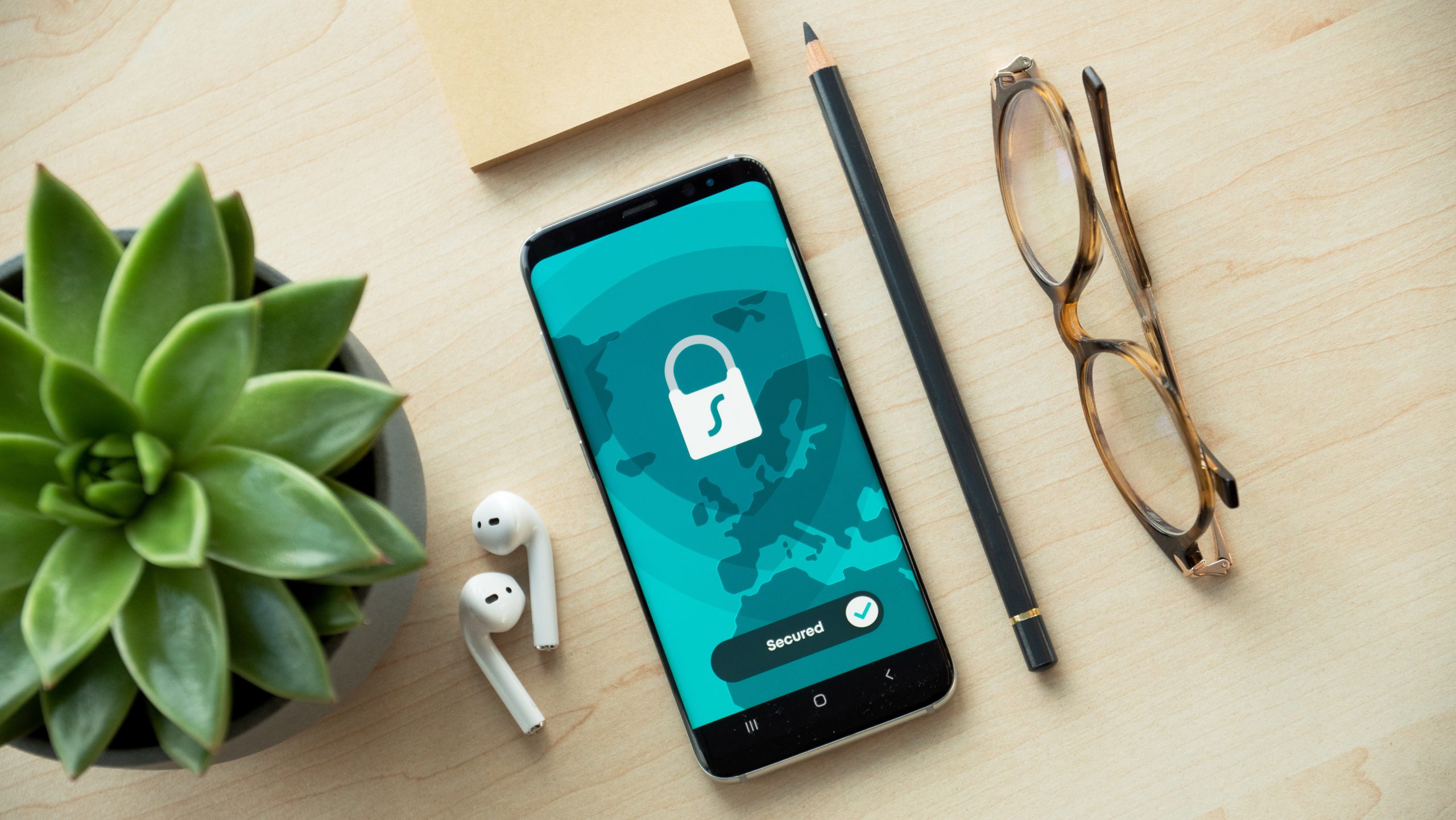
So my advise would be: Always keep track of your social media privacy settings as much as you can, and never take it lightly.
Protect your online space as much as you protect your offline space.