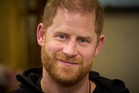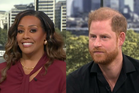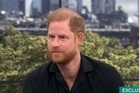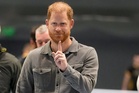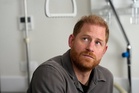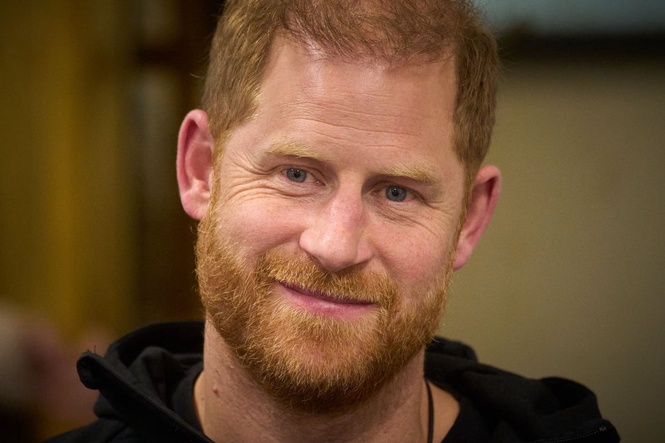
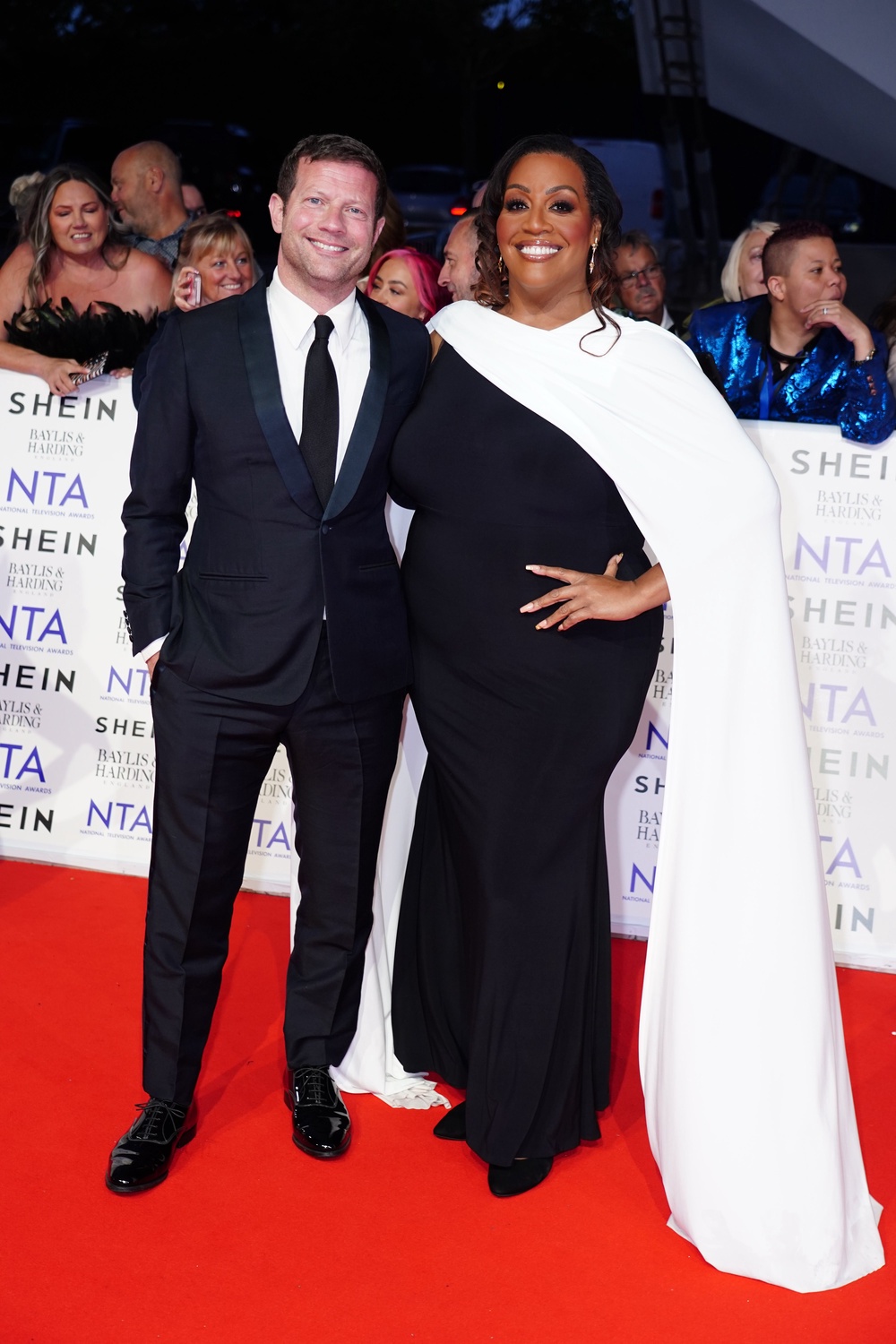
The Duke of Sussex has said he is “squeezing” the American accents out of his children, as he said his family are enjoying being back in Britain during an appearance on This Morning.
He told presenters Alison Hammond and Dermot O’Leary that Prince Archie, seven, and Princess Lilibet, five, love living in the UK.
The Duke of Sussex, 42, added that he has missed British winters during his years in California and that he recently rode the dodgems at Winter Wonderland.
Asked if his children enjoy being back in his home country, he said: “They love being back, I say back – they’ve never really known (the UK)”
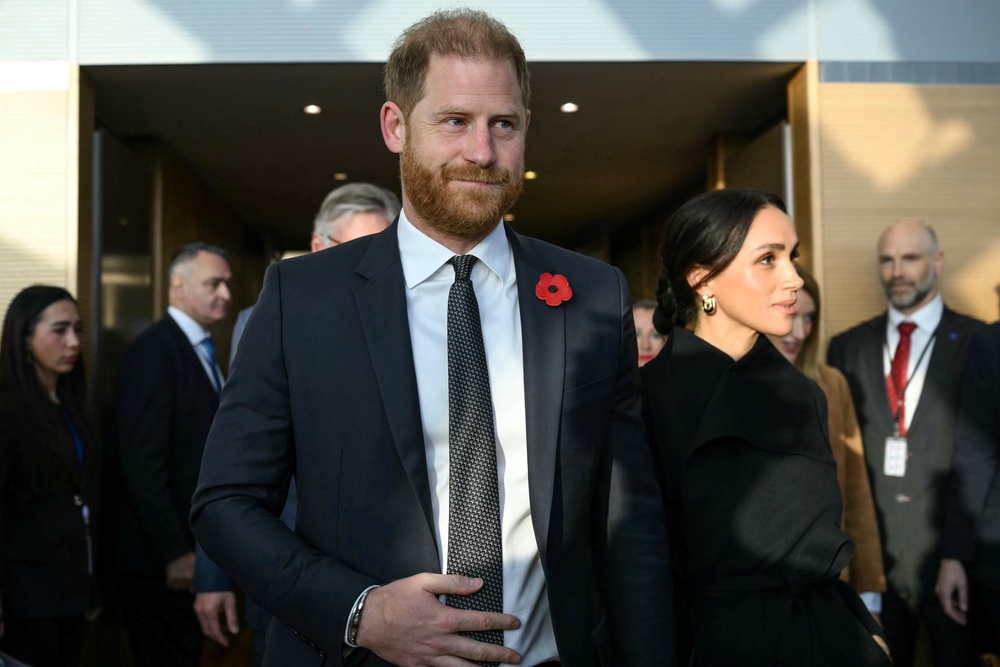
O’Leary asked how much of a culture shift it is for them, and Harry replied: “It’s a big culture shift – I think that, you know, the kids in school uniforms is a big change for them.
“But it has certainly helped. The confidence in both of them has gone through the roof since being in a UK school which is really, really nice.”
Hammond interjected to ask if they have accents, and, speaking from the Good Morning sofa, the duke said: “We are, I’m squeezing the accents out of them and their friends at school are doing the same.”
In a quick-fire quiz titled The Best of British or American All Star – played to “test what years in America has done to you” – Harry preferred saying sweets than candy.
“But I have to use candy for my kids otherwise they don’t know what I’m talking about,” he added.
Asked if he sees change since his departure in 2020, he told the show: “It’s always interesting when you’re living overseas and looking back in.
“You can see all sorts of stuff happening but then I think now that I’m back everything feels quite familiar and similar.
“Obviously there’s lots of change but I think as far as London, as far as the UK is like, it’s home.
“I have missed the winters though.”
“The seasons is a big thing,” he added, telling the ITV presenters there are not “seasons, seasons” where he lived in America.
The interview comes after the duke said he would be ready to rejoin the military to fight Russia if needed as he took part in a conversation for The Telegraph’s Ukraine: The Latest podcast while on a surprise visit to the war-torn country last weekend.
The duke undertook two frontline tours to Afghanistan but left the army in 2015.
Harry, who was an Apache helicopter pilot, has since channelled his focus into his Invictus Games sporting competition for wounded, injured and sick military personnel and veterans, which marked its 10th anniversary in 2024.
Last month, he told Nato military chiefs in Brussels that he lost part of his “purpose and identity” when he “hung up” his uniform after leaving the army, but said he “had another way to serve” by helping military veterans.
Next year’s Invictus Games is scheduled to take place in Birmingham and ITV on Friday announced it would be hosting the competition.
“Queen Elizabeth Hospital in Birmingham was the place that so many of them that were critically wounded in Iraq and Afghanistan woke up in – these guys were put into induced comas so the first people they would see were the nurses and doctors in Queen Elizabeth Hospital,” Harry told This Morning.
“For them to come back with me to go back there… it was a really moving moment.
“Hundreds of British soldiers were put through Queen Elizabeth so for them to be going back and having the games back in that city, it means a hell of a lot.”
Invictus was inspired by Harry’s 2013 visit to the Warrior Games in America, which he called “a domestic sporting event” with the Marines vs the Air Force vs the Army.
Within eight months, his competition was running in London’s Olympic Park.
His ambition for the 12-sport event has been that “every single one of them felt like they were being celebrated and it had to be serious”.
“Filling The Copper Box with 6,000 people for wheelchair rugby was like this is insane – trust the British to come out in full support for something that they’d never seen before but they knew exactly what they were supporting,” Harry told the show.
Hammond and Paralympian Ade Adepitan will co-host the 2027 edition, which will gather 550 competitors from 26 nations and attract an estimated 30,000 spectators a day.