
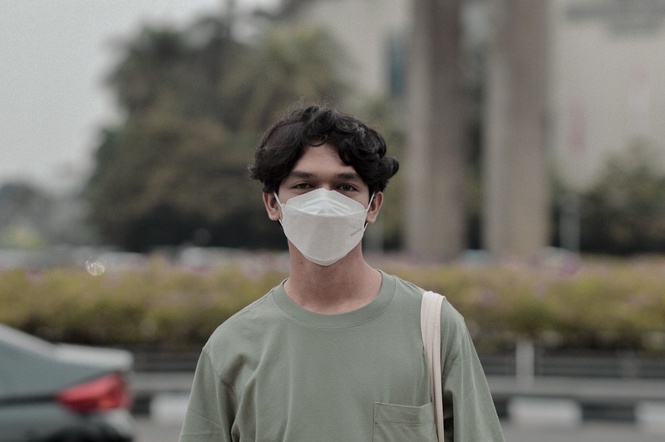
Haze is back in Malaysia, turning familiar skylines grey and raising a health concern that goes far beyond poor visibility.
The main threat is PM2.5, a term used for fine particles measuring 2.5 micrometres or smaller.
They are about 30 times thinner than a human hair. Because they are so small, they can travel beyond the nose and throat, reaching deep into the lungs. Research reviewed by the World Health Organization links long-term and short-term exposure to fine particulate pollution with respiratory and cardiovascular problems.
For many people, haze causes itchy eyes, a dry throat, headaches or a nagging cough.
For others, the risks are greater. Children, older adults, pregnant women, people with asthma, chronic obstructive pulmonary disease, heart disease and other long-term illnesses should be particularly careful when air quality deteriorates.
Malaysia has faced serious haze events before. During the 2005 haze episode, the Air Pollution Index, or API, rose above 500 in some areas.
The practical lesson remains relevant today: do not wait for symptoms before taking precautions.
Check the air-quality reading. Reduce outdoor exposure. Keep indoor air as clean as possible.
Understand Malaysia’s API Readings
The official Air Pollutant Index Management System, known as APIMS, is run by the Department of Environment Malaysia. It provides local API readings and air-quality updates.
The official MyIPU app is another useful tool for checking conditions before school, work, exercise or travel.
Do not rely only on the colour or visibility of the sky. Humidity, rain and weather patterns can affect visibility. Air may look clearer on some days even when PM2.5 levels remain elevated. The API is a more reliable guide for deciding whether to change your plans.
Malaysia’s API categories are generally presented as follows:
API reading Air-quality category: (0–50 means good), (51–100 means moderate), (101–200 means unhealthy),(201–300 means very unhealthy), and (Above 300 means hazardous).
When readings move into the unhealthy range, children, older adults, pregnant women and people with heart or lung conditions should limit time outdoors and avoid strenuous activity.
As readings rise further, everyone should reduce prolonged outdoor exposure where possible.The figures are not a reason to panic. They are a prompt to act early.
Keep Outdoor Air Outside
Staying indoors is usually the first line of defence during a haze episode. Yet indoor spaces are only safer if they limit the amount of polluted air entering.
Keep doors and windows shut when the air quality is poor, especially when haze is visible or the API is unhealthy. Check for gaps beneath doors, around windows and along sliding-door frames. A door sweep or sealing tape can reduce air leakage. A damp towel placed along the bottom of a door can offer a temporary solution when there is a noticeable gap.
No home is fully airtight. That is normal. The goal is to reduce the outdoor air coming into the rooms where you sleep, work and spend most of your time.
If you use air conditioning, choose recirculation mode where it is available. This reduces the intake of polluted outdoor air. Clean or replace air-conditioning filters according to the manufacturer’s instructions. A dirty filter may restrict airflow and reduce the system’s effectiveness.
Create a Cleaner-Air Room
A portable air purifier may help reduce indoor particle levels, particularly for homes with young children, older adults or people with asthma.
Rather than trying to clean the whole house, focus on one room. A bedroom is often the best option because people spend many hours there. A smaller living room can also work if it is where the household gathers during the day.
Choose a purifier with a true HEPA filter. HEPA filters are designed to capture fine airborne particles, including PM2.5. They are commonly tested to capture at least 99.97% of particles measuring 0.3 micrometres under laboratory conditions.
That does not mean every purifier can clean every space equally well. Real-world results depend on the room size, airflow, placement, filter condition and the unit’s clean air delivery rate, or CADR. A compact purifier placed in a large, open-plan living area may have limited impact.
Check that the purifier is suitable for the room’s size. Keep doors and windows closed while it is running. Place it where airflow is not blocked by furniture, curtains or walls. Replace filters when the manufacturer recommends.
Avoid air-cleaning products that intentionally produce ozone. Health agencies warn that ozone can irritate the lungs. It is not a safe replacement for filtration.
Do Not Create More Indoor Pollution
Haze is difficult enough without adding smoke and particles inside the home.
Avoid burning incense, scented candles and mosquito coils indoors during poor-air-quality days. Do not smoke or vape inside. These activities can add particles and respiratory irritants to the same air your family is already trying to protect.
Cooking can also produce indoor particles. Deep-frying, grilling and charring food can create smoke, especially in small kitchens. You do not need to stop cooking.
Consider lower-smoke methods for a few days, such as steaming, boiling, baking or stir-frying over moderate heat. Use a kitchen extractor if it is effective, but be mindful that some systems can pull outdoor air indoors.
Cleaning methods matter too.
Avoid dry sweeping. A broom can lift settled dust and particles back into the air. Use a damp microfibre cloth or wet mop instead. Damp cleaning captures dust rather than redistributing it.
Vacuuming can be useful if the machine has sealed HEPA filtration. Older or standard vacuum cleaners may release fine dust through the exhaust, making the air less clean after you have finished.
Pause Outdoor Exercise When Conditions Worsen
Outdoor exercise increases the amount of polluted air reaching the lungs. During a run, football match, futsal game or cycling session, breathing becomes faster and deeper. More PM2.5 may be inhaled as a result.
When API readings are unhealthy, move workouts indoors if possible. Choose a home workout, a gym session in a well-ventilated but enclosed space, or a lower-intensity routine. A rest day is also a sensible option.
The concern is not limited to serious athletes. Children playing outside, older adults taking long walks and people doing physical outdoor chores can all take in more polluted air during exertion.
Schools, clubs and organisers should monitor official API updates before holding outdoor assemblies, sports training or prolonged activities outside.
Parents should watch for notices from schools, the Ministry of Education and local authorities, since outdoor programmes may be adjusted during significant haze events.
Use the Right Mask for Essential Trips
Some outdoor trips cannot be delayed. People still need to commute, attend classes, seek medical care and buy food.
For unavoidable time outdoors, a well-fitted N95, KN95 or KF94 respirator offers better protection from PM2.5 than a surgical or cloth mask. These respirators are designed to filter fine airborne particles when they fit closely against the face.
Surgical masks are primarily designed to reduce droplets and splashes. Cloth masks vary in quality, thickness and fit. Neither offers the same filtration or seal as a properly worn particulate respirator.
Fit is critical.
The respirator should cover the nose, mouth and chin. Press the nose clip firmly around the bridge of the nose. Adjust the straps so there are no obvious gaps around the cheeks. Facial hair may interfere with the seal, allowing polluted air to enter around the edges.
A respirator reduces exposure. It does not make prolonged outdoor activity risk-free during severe haze.
For babies and very young children, staying in cleaner indoor air is usually more practical than relying on a mask. Young children may struggle to wear respirators correctly for long periods. A poorly fitting mask offers limited protection.
Your Car Can Still Take In Haze
A car is not automatically a clean-air space. Smoke and traffic pollution can enter through open windows, vents and poorly maintained air-conditioning systems.
Keep windows closed during haze. Switch the air-conditioning system to internal recirculation mode after starting the engine. This reduces the amount of outside air being drawn into the cabin, particularly in traffic.
Check the cabin air filter and replace it according to your vehicle manufacturer’s schedule. Recirculation mode cannot remove every pollutant, but it can lower exposure compared with continuously pulling in outside air.
Extra Precautions for Asthma, Heart Disease and Children
People with asthma should keep their reliever inhaler nearby and check that it has not expired. Follow your written asthma action plan if you have one.
Contact a doctor or clinic if you need your reliever medication more often than usual, wake at night because of coughing or breathlessness, or find that your prescribed treatment is not working as expected.
Those with chronic lung disease or heart disease should also take symptoms seriously. Worsening wheezing, persistent breathlessness, chest discomfort or a sudden drop in exercise tolerance should not be dismissed as ordinary haze irritation.
Children may not always explain symptoms clearly. Watch for persistent coughing, wheezing, rapid breathing, unusual tiredness, poor feeding in younger children, or complaints of chest discomfort.
Inform schools and caregivers if your child has asthma or another medical condition. Ensure they know how to contact you and where authorised medication is kept.
Do Not Forget Outdoor Workers and Pets
Many Malaysians cannot simply stay inside when haze arrives. Delivery riders, construction workers, plantation staff, security personnel, cleaners, road crews and market traders may spend long hours outdoors.
Employers should monitor APIMS updates, reduce unnecessary strenuous work during worsening air quality, provide suitable respiratory protection and allow regular breaks in cleaner-air indoor areas where possible.
Workers with breathing symptoms should be able to report them and seek care promptly.
Pets can be affected too. Keep cats, dogs and other animals indoors as much as possible when air quality is poor. Limit vigorous walks or play sessions. Contact a veterinarian if a pet develops persistent coughing, wheezing, breathing difficulty, unusual tiredness or obvious eye irritation.
Wash for Comfort, Not as a Cure
After spending time outdoors, change out of clothes with visible dust or smoke residue. Wash your hands and face. A shower may help you feel more comfortable.
If your eyes feel itchy or gritty, rinse them gently with clean water. Avoid rubbing them. Contact-lens wearers may find glasses more comfortable during haze periods.
These steps do not remove particles already inhaled. The most effective protection happens before and during exposure.
Drink water regularly if haze leaves your throat dry. It may ease discomfort. It does not block PM2.5 or “flush toxins” from the body. There is also no reliable evidence that detox drinks, supplements, honey or herbal remedies can prevent haze-related illness.
Know When to Seek Medical Attention
Mild eye, throat and nose irritation often improves after a person moves into cleaner air. Severe or worsening symptoms need medical attention.
Visit a clinic if you develop persistent or severe coughing, chest tightness, wheezing, worsening breathlessness, dizziness, significant eye pain or symptoms that do not improve after getting away from haze. People with asthma, chronic lung disease or heart disease should seek help earlier if their normal symptoms worsen.
Seek urgent medical care for severe difficulty breathing, blue or grey lips, confusion, fainting or severe chest pain. Haze can disrupt school runs, work schedules and family plans. It does not have to leave people helpless.
Check APIMS or MyIPU before heading out. Close doors and windows when readings worsen. Keep one room cleaner with a correctly sized HEPA purifier if possible. Avoid indoor smoke. Postpone outdoor workouts. Use a well-fitted N95, KN95 or KF94 respirator when you cannot avoid being outdoors.
Small decisions can reduce exposure. During haze season, they can help protect the lungs and hearts of the people who matter most.
The post Haze Returns: A Practical, Evidenced-Based Guide to Protecting Your Lungs in Malaysia first appeared on PP Health Malaysia.