A baby drinking less than usual or an older parent becoming unusually breathless during a familiar walk may not immediately appear to be signs of a respiratory problem.
However, when haze blankets the air, subtle changes in breathing, feeding or energy levels can indicate that the lungs are being affected.
According to Dr Syed Ajmal Bin Syed Ali, Consultant Physician, Respiratory Physician & Int. Pulmonologist, and Dr Noor Zehan Abdul Rahim, Consultant Paediatrician and Paediatric Respiratory Physician at Sunway Medical Centre, Sunway City (SMC), vulnerable individuals need extra attention when air quality deteriorates.
“People often expect haze-related breathing problems to be obvious, but the earliest warning signs can be subtle, especially for vulnerable adults or older people,” says Dr Syed.
Dr Noor Zehan adds, “Becoming unusually breathless, or noticing changes in a child’s feeding or breathing patterns, may be among the earliest signs that haze is affecting the lungs.”
Why Haze Can Affect Certain People More Severely
One of the main concerns during haze is PM2.5—fine particles small enough to penetrate deep into the respiratory tract. When these particles reach the smaller airways and air sacs, they can trigger inflammation and increase mucus production. This may lead to coughing, wheezing, chest tightness and breathlessness, Dr Syed explained.
Some people are more vulnerable to these effects:
- Older adults: Ageing can reduce lung capacity and the ability to clear inhaled particles.
- Children: Their smaller airways and developing lungs make them more susceptible to breathing difficulties.
- People with asthma or COPD: Even well-controlled conditions can flare up after exposure to polluted air.
Dr Syed and Dr Noor Zehan stressed that people with asthma or COPD should not assume they are protected simply because their symptoms are under control.
Dr Syed advised patients to continue taking their prescribed medications and keep reliever inhalers accessible. Parents should also be fully familiar with their child’s asthma action plan, Dr Noor Zehan advised.
A Change from the Usual May Be the First Clue
The most useful warning sign may simply be a noticeable change from what is normal for that person, says Dr Syed.
For older adults, this could include:
- Increased coughing or phlegm
- Wheezing
- Chest tightness
- Becoming unusually short of breath during routine activities
For example, someone who normally completes a familiar walk with ease but suddenly needs to stop more often may be experiencing haze-related breathing difficulties.
Babies May Show Breathing Trouble Through Feeding and Behaviour
In babies and young children, respiratory symptoms may be less obvious. They may first appear as changes in normal behaviour or daily routines.
Dr Noor Zehan explained that coughing and nasal congestion can progress to breathing or feeding difficulties. A baby who becomes unusually irritable or drinks less because of a blocked nose may already be showing early signs of respiratory distress.
“Don’t wait until a child is visibly struggling to breathe before seeking help,” said Dr Noor Zehan.
“Early signs such as reduced feeding, unusual irritability or increasing breathing difficulties should not be ignored.”
When to Seek Medical Attention
Air-quality readings can help families decide when to reduce exposure, but symptoms are just as important to monitor.
Dr Syed advised seeking medical attention if breathlessness, coughing or wheezing worsens, or if usual medication no longer provides adequate relief.
Dr Noor Zehan similarly advised parents to seek medical attention if a child’s cough or congestion begins interfering with breathing or feeding.
Stay Indoors But Keep Moving
Both doctors recommended staying indoors as much as possible and avoiding strenuous outdoor activities. Staying indoors does not mean remaining inactive, however.
Children can play indoors, while older adults can choose light indoor movement.
When outdoor air quality deteriorates, families should:
- Keep windows and doors closed.
- Use air purifiers that filter fine particles, where available.
- Maintain air-conditioning and air-purifier filters regularly.
- Avoid strenuous outdoor activities.
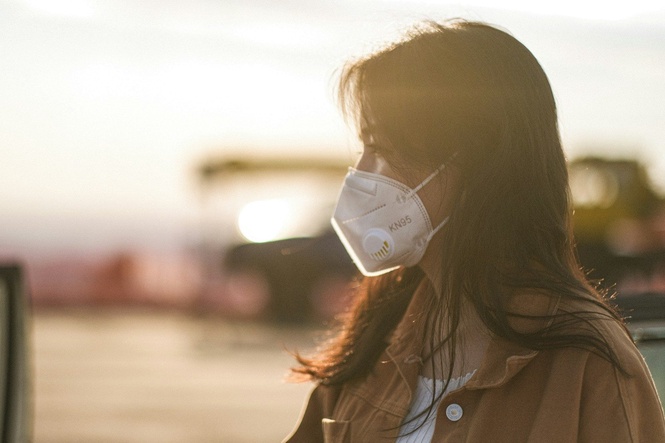
- Wear a properly fitted N95 or K95 mask if going outdoors is unavoidable.
Dr Noor Zehan also cautioned against using essential oils as a haze remedy. They do not remove pollutants from the air and may introduce additional substances into the indoor environment.
Protect Your Family by Acting Early
Protecting your family during haze involves more than staying indoors. It also means recognising early changes in breathing, feeding, behaviour and energy levels, limiting exposure to polluted air and knowing when medical attention is needed.
Small changes may be easy to overlook—but noticing them early can help prevent respiratory symptoms from becoming more serious.
The medical information of this article is contributed by Dr Syed Ajmal Bin Syed Ali, Consultant Physician, Respiratory Physician & Int. Pulmonologist, and Dr Noor Zehan Abdul Rahim, Consultant Paediatrician and Paediatric Respiratory Physician from Sunway Medical Centre, Sunway City (SMC)
The post Haze Warning Signs You Shouldn’t Ignore Especially in Babies and Older Adults first appeared on PP Health Malaysia.