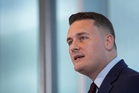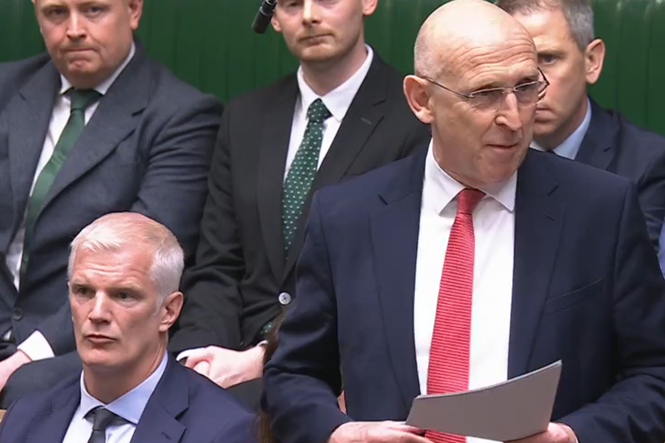
Former defence secretary John Healey has lashed out at Sir Keir Starmer and Rachel Reeves in a withering resignation speech, accusing the prime minister of allowing the Treasury to determine Britain’s defence policy based on cost-saving measures.
Addressing the Commons for the first time since his shock resignation last Thursday, Mr Healey said there is “no date for reaching 3 per cent” spending on defence, and warned that “our adversaries do not follow timetables set by the Treasury”.
He said the UK’s defence spending plan falls “well short of what is required”, and called on the government to make “bolder priorities” and “harder choices” to ensure Britain is protected in an increasingly dangerous world.
But Mr Healey’s comments came hours after Sir Keir made it clear that there will be no extra money allocated to defence spending, while one of his most senior military chiefs there would have to be cuts to the armed forces.
Addressing the Commons about his dramatic resignation last week, Mr Healey told MPs that he wanted to give his first words on his resignation to the Commons “as I take my seat on the backbenches for the first time in 10 years.”
Expressing his frustration over the row which saw him make a surprise departure from Sir Keir’s government, he said: “This is not the moment for calibration or incremental change. This means bigger politics, bolder priorities and harder choices.”
His comments come as military chiefs are warning that the UK could be fighting Russia in the next five year and with the situation in the Middle East increasingly uncertain.
He was followed by Mr Carns, who gave a personal statement over his departure as armed forces minister. He described the Defence Investment Plan (Dip) as “inadequate.”
He said: “There comes a point when honesty requires action and for me that point came last week.”
He pointed out that 90 per cent of casualties in Ukraine are from drones.
He went on: “What is it going to take that these figures are not fiction, they are reality born out of the blood and the steel of a hot war.”
But earlier Sir Keir insisted that his plans were adequate.
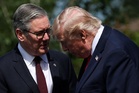
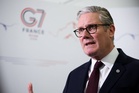
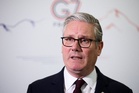
Speaking to journalists at the G7 gathering of leaders of the world’s largest economies in France, the prime minister insisted he had already produced the biggest increase in spending since the 1980s.
Days after losing his defence secretary, John Healey, and armed forces minister, Al Carns, Sir Keir insisted the money had been allocated.
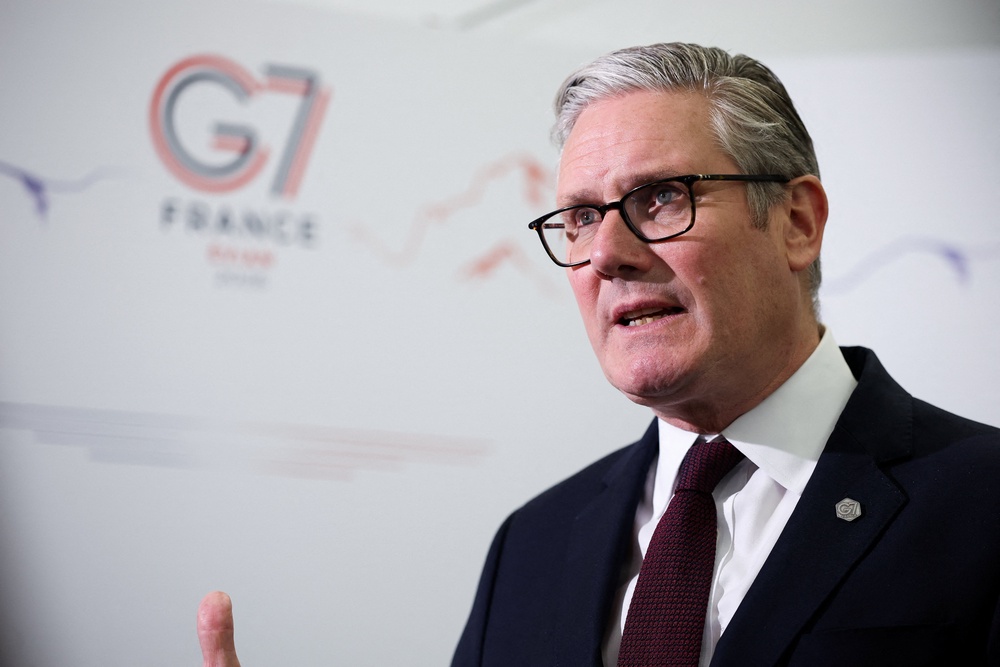
He said: “The position on investment in defence is firstly that we increased, last year, defence spending from 2.3 per cent to 2.6 per cent. That’s the biggest increase since the 1980s.
“And that means £270bn will be spent this parliament on defence. On top of that defence investment plan, which obviously gives us the capability for the future, we’ll put even more money in, in relation to that. I’ve been really clear that that’s required difficult decisions.”
But when asked if there was any more money, he made it clear there would not be. He said: “I have taken the decision to reallocate money from other departments. Obviously, the new defence secretary [Dan Jarvis] is reading in, and we’re talking to him about how and what we will spend that money in terms of capability.
“And he’s got his own thoughts now about what the priorities should be, and so I think that’s the discussion we’re in the middle of at the moment.”
Mr Healey and Mr Carns resigned because the amount of extra cash available amounted to a tiny proportion of what was needed, with just £10bn allocated, meaning the UK was far from the trajectory needed to reach 3.5 per cent in the next parliament.
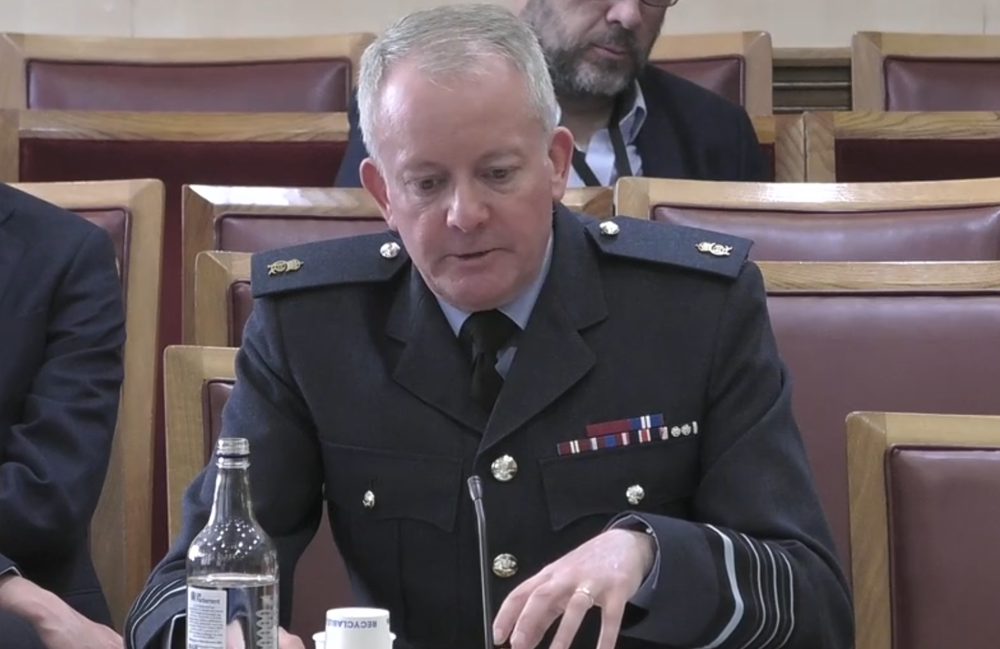
Meanwhile, speaking to the International Relations and Defence Committee in the House of Lords, air chief marshal Sir Richard Knighton, chief of the defence staff, warned that operations and capabilities will have to be “dialled back” unless the funding offer does not increase from £13.5bn.
He was questioned at first by the committee chair Lord George Robertson, the former Labour defence secretary and chair of Nato, who chaired Sir Keir’s defence review and has been very critical of the prime minister’s approach.
Sir Richard said: “We will have to dial back our activities and our exercise and operational activity if the level of resource funding that is available to us does not increase.”
He cited the example of aviation fuel rising costs, which have added a burden on expenditure in the RAF.
“The levers that we have to pull to reduce that expenditure are principally around our activities, which means exercises, training, operations,” he noted.
“So, clearly, we would prioritise those activities around what the government cared about most, but it would be disingenuous of me to suggest that there is not going to be a consequence of this settlement.”
Read MoreThames Water edges closer to nationalisation amid concerns over rescue deal
Trump looks awkward in bizarre aerial photo of grinning G7 world leaders
Starmer must resign after Makerfield by-election result, Streeting says
I’ve not been snubbed by Trump — we get on really well, Starmer insists
Even Reform’s own data suggests it will lose Makerfield by-election, insider says
Brendan Cox: ‘If Jo were alive – she would fight to fix this country’