
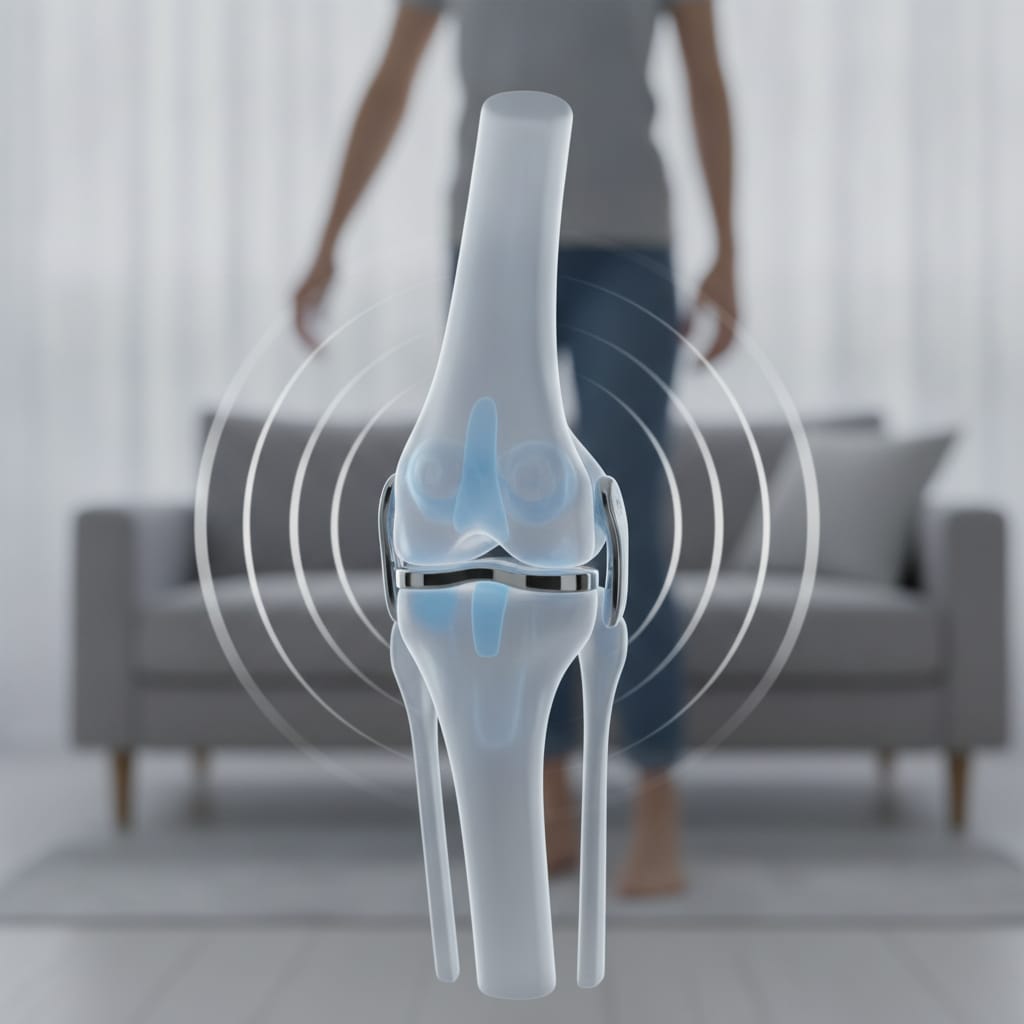
You stand up from the sofa and your knees crack.
You stretch your fingers and they click.
You turn your neck and hear a little pop.
For some people it’s almost a daily soundtrack. It often raises the same question: “Am I wearing out my joints?”
The reassuring news is that, most of the time, the answer is no.
Our bodies make all sorts of noises. Stomachs rumble, hearts beat, lungs fill with air and joints click. While some sounds deserve medical attention, many are simply part of being human.
So what exactly causes these mysterious pops and cracks?
One of the most common reasons is tiny bubbles of gas inside the fluid that lubricates our joints. Think of this fluid as nature’s own engine oil. When a joint moves or stretches, pressure changes inside it and small gas bubbles can form or collapse, producing that familiar popping sound. This is the reason many people can crack their knuckles.
Contrary to what many of us were told as children, cracking your knuckles has never been convincingly shown to cause arthritis. It may annoy the people sitting next to you, but current research has not shown that it damages healthy joints.
Sometimes the noise comes from tendons or ligaments. These tough bands of tissue can briefly move over a small bony prominence before snapping back into place, creating a click. This often happens around the shoulder, hip, knee or ankle and is usually harmless if it isn’t painful.
As we get older, our joints naturally change. The smooth cartilage that cushions the ends of our bones becomes slightly less smooth, and this can make movement a little noisier. It doesn’t necessarily mean the joint is diseased; it’s simply another reminder that our bodies, like the rest of us, are getting older.
The important question isn’t whether your joints make noise.
It’s whether they hurt.
A painless click is usually nothing to worry about. However, if the clicking is accompanied by pain, swelling, redness, warmth, the joint locking, giving way, or you can no longer move it properly, that’s a different story. These symptoms may suggest an injury, inflammation or arthritis and should be checked by a healthcare professional.
Sports injuries can also produce clicking joints. A torn cartilage in the knee, for example, may cause painful clicking or even make the knee lock in one position. Likewise, injuries to the shoulder can produce repeated popping together with weakness or instability.
People often ask whether supplements such as glucosamine or collagen can stop joints clicking.
The evidence is mixed. Some people feel they benefit, while others notice no difference at all. These supplements are generally not miracle cures. A healthy weight, regular exercise and strong muscles around the joints usually make a much bigger difference than any tablet.
Movement is actually one of the best things you can do for healthy joints. Walking, swimming, cycling and gentle strength exercises help nourish cartilage, improve flexibility and strengthen the muscles that support your joints. Ironically, avoiding movement because your joints click can sometimes make stiffness worse.
Excess body weight also puts extra pressure on weight-bearing joints such as the knees and hips. Even losing a small amount of weight can reduce the load passing through these joints with every step.
Good posture, sensible lifting techniques and staying active throughout life all help keep joints functioning well for longer.
Our bodies are wonderfully engineered. They bend, twist, lift, carry and adapt to decades of use. A few harmless clicks and pops are often just evidence that the machinery is still working.
So the next time your knee cracks as you stand up, don’t panic.
Listen to your body—but don’t be frightened by every little noise it makes. Pain, swelling and loss of function deserve attention. A painless click usually deserves nothing more than a smile.
Until next time, stay curious, stay active, and remember that understanding your body is one of the best investments you can make in your health.
The Daily Durian (zaynp100@yahoo.com) is a content creator under the Newswav Creator programme, where you get to express yourself, be a citizen journalist, and at the same time monetize your content & reach millions of users on Newswav. Log in to creator.newswav.com and become a Newswav Creator now!
The User Content (as defined on Newswav Terms of Use) above including the views expressed and media (pictures, videos, citations etc) were submitted & posted by the author. Newswav is solely an aggregation platform that hosts the User Content. If you have any questions about the content, copyright or other issues of the work, please contact creator@newswav.com.