Table of Contents
Experts urge high-risk individuals to look beyond lifestyle changes alone to manage LDL-C, reduce long-term cardiovascular risk.
ROUGHLY a decade ago, the conversation around heart and cardiovascular centred around Malaysians above the age of 50, but since then, the age range has dropped to those 30 years old and above.
Answering a question from theSun, Sunway Medical Centre consultant cardiologist Dr Lim Bee Chian explained that he believes it is not entirely that those being afflicted with heart disease are getting younger, but rather the awareness has been bolstered by social media and the advances made in the field of medicine.
That awareness, however, may be a double-edged sword. As more Malaysians are becoming aware of the issue, there are also as many that believe exercising regularly and eating a balanced diet are sufficient to protect them from heart disease.
However, experts caution that for individuals at high cardiovascular risk, these measures alone may not be enough to effectively control low-density lipoprotein cholesterol (LDL-C), commonly known as “bad cholesterol”, and reduce long-term risk of heart attack and stroke.
Healthy habits may not lower cholesterol enough
In conjunction with World Heart Day, the Keep it Low, Keep it Stable Media Roundtable by Sunway Medical Centre highlighted the importance of understanding how cholesterol is produced and managed in the body.
While lifestyle choices play an important role, the liver is the primary organ responsible for producing around 80% of the cholesterol in the bloodstream, while the balance comes from dietary sources. This means that, in many individuals, biological factors and genetics can continue to drive elevated LDL-C even with healthy habits.
This is particularly important in the context of Malaysia’s persistently high rates of heart disease, which underscore the need to strengthen prevention and improve early detection of cardiovascular risk.
An estimated one in three Malaysian adults or 7.6 million people, live with high cholesterol, while four in 10 have elevated LDL-C levels, yet around half are unaware of their condition due to the lack of symptoms. This leaves many untreated and unknowingly exposed to cardiovascular risk.
Keeping LDL-C low can cut risk
Experts emphasised that individuals with high-risk profiles, including those with existing cardiovascular disease such as heart attack or stroke, diabetes, high blood pressure, obesity, elevated LDL-C or multiple combined risk factors, require a more structured and sustained approach to risk management.
“As the liver produces 80% of cholesterol, relying on lifestyle changes alone may not be sufficient for high-risk individuals to bring LDL-C down to recommended targets. In these instances, medical treatment is often required to achieve control, alongside diet and exercise, to meaningfully reduce cardiovascular risk,” said Lim.
According to him, it highlights the importance of establishing each individual’s risk in order to establish a personalised LDL-C target. Evidence supports the importance of sustained LDL-C reduction over time.
“The recommended targets would depend on individual risk levels and those at higher risk typically require lower LDL-C targets.
“For example, individuals at high risk should maintain LDL-C below 1.8 mmol/L which has been shown to slow the progression of plaque buildup in the arteries, while lower levels sustained over longer periods may help stabilise or even reverse plaque in some patients. The key is not just lowering LDL-C, but keeping it low and stable.”

Diet, exercise and treatment work together
The roundtable introduced the “Heart Health Trifecta”, a practical framework reinforcing that optimal cardiovascular protection for high-risk individuals requires all three pillars working together:
- Diet to reduce cholesterol intake and support metabolic health;
- Exercise to improve cardiovascular fitness and overall wellbeing;
- Medical treatment when prescribed to achieve and maintain LDL-C targets.
Experts stressed that missing any one component may leave residual cardiovascular risk insufficiently managed.
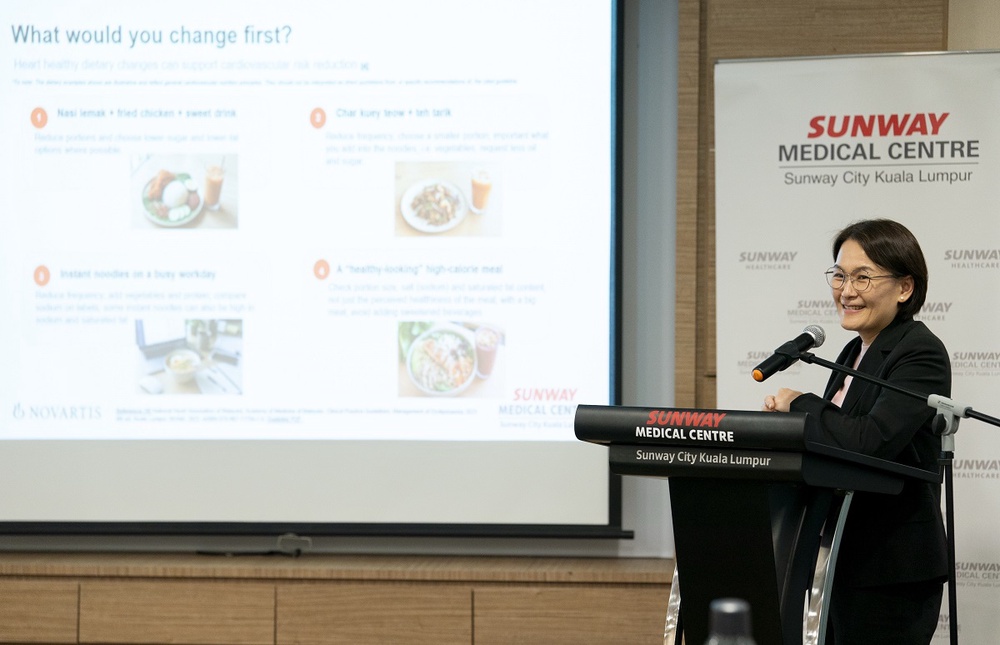
Sunway Medical Centre Dietetics assistant director Celeste Lau explained: “Heart-healthy eating does not need to be complicated, but the focus should be on making small, consistent changes or choosing healthier food substitutes on a daily basis.
“In this way, we build eating habits that can be maintained over the long term, because consistency is what drives meaningful improvement in cholesterol levels.
“For those with elevated LDL-C, this means making practical, realistic choices that help reduce overall saturated fat intake, improve dietary quality and support better cholesterol control as part of a broader management approach.”
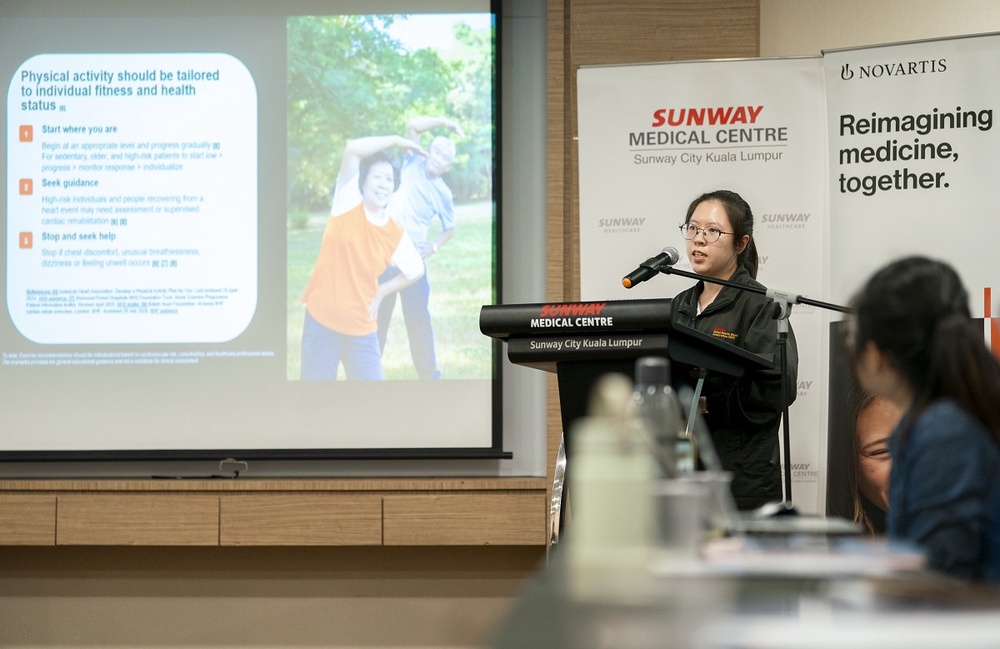
Sunway Medical Centre physiotherapist Nathalie Goh also chimed in, pointing out that physical activity should be structured to safely elevate the heart rate when it comes to high-risk individuals and patients with cardiovascular conditions.
“While this may cause mild breathlessness, this is a useful sign that the cardiovascular system is being engaged within a safe and effective range. This can include supervised rehabilitation programmes, low-impact social activities such as walking groups, line dancing or individually tailored exercise plans developed with healthcare professionals.
“The key is not intensity alone, but consistency and suitability to the individual’s condition. When done regularly and safely, exercise becomes an important part of long-term cardiac rehabilitation, helping to improve functional capacity, independence and overall quality of life,” she said.
Treatment options continue to expand
During the roundtable, Lim also discussed the full range of lipid-lowering therapies available in cardiovascular care.
These range from statins and ezetimibe to PCSK-9 inhibitors and RNA-based therapies, with additional options being considered for patients unable to meet the recommended LDL-C targets using conventional measures.
This evolving treatment landscape reflects a growing toolkit to support patients who require additional LDL-C reduction beyond lifestyle measures and established standard treatments as part of specialist-led care guided by individual patient needs, supporting sustained LDL-C reduction in alignment with guideline-recommended targets.
Malaysians are encouraged to visit the Unblocked Movement microsite to check their individual cardiovascular risk and corresponding LDL-C target.
Afterwards, they should speak to their doctor to determine appropriate long-term management strategies based on individual risk profiles.
The Keep it Low, Keep it Stable Media Roundtable supports broader national efforts to improve cardiovascular prevention.
This can be done through earlier screening, sustained lifestyle change and timely, guideline-based treatment where clinically appropriate.
READ MORE:
A child can be overweight yet malnourished, warns dietitian
Does family mealtimes help children develop healthy eating habits?
Fitness should go beyond six-packs to build leaders, says high-performance coach