_1652931074_9592.jpg)
Why it is better for older sedan cars to use smaller alloy wheels with thicker tires for better ride comfort in Malaysia where our roads are pothole prone
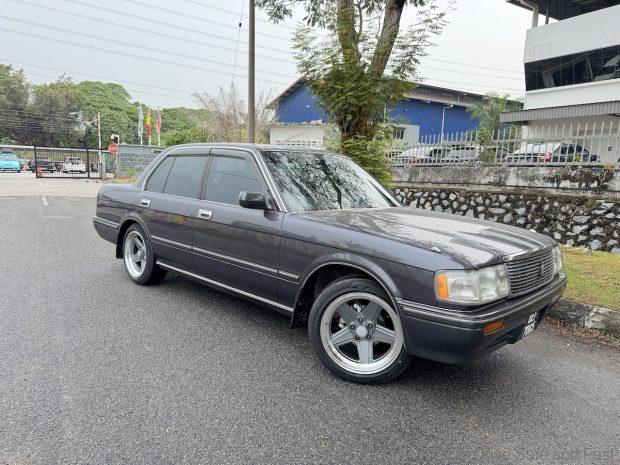
Driving an older sedan in Malaysia often comes with a trade-off, classic comfort versus harsh road feedback. Low-profile tires paired with large rims look stylish, but they transform every pothole, tarmac joint, and flash-flood crater into a bone-jarring impact that damages both your spine and your car’s suspension. WE are sharing this after we found the 18-inch wheels on our classic Toyota Crown a little bumpy and also our turning radius a little less due to the wide rubbers.
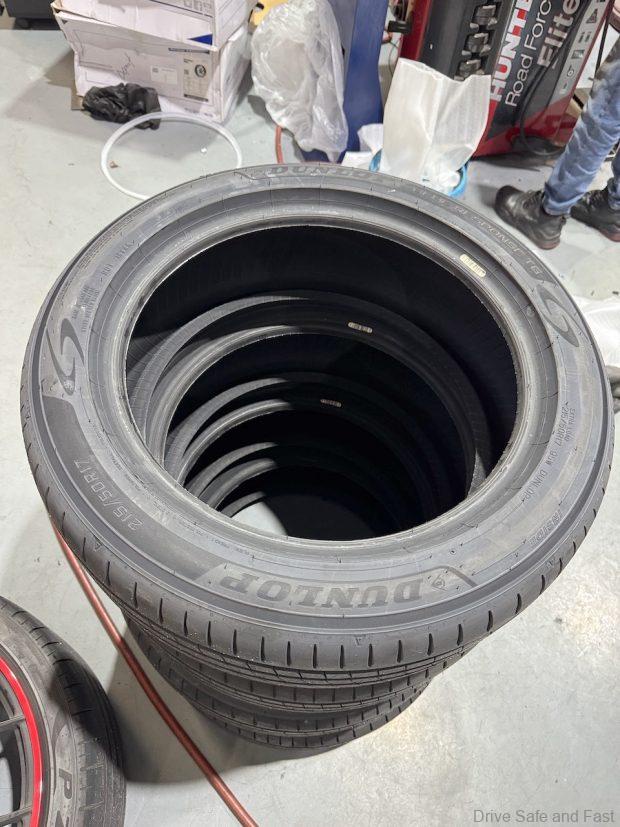
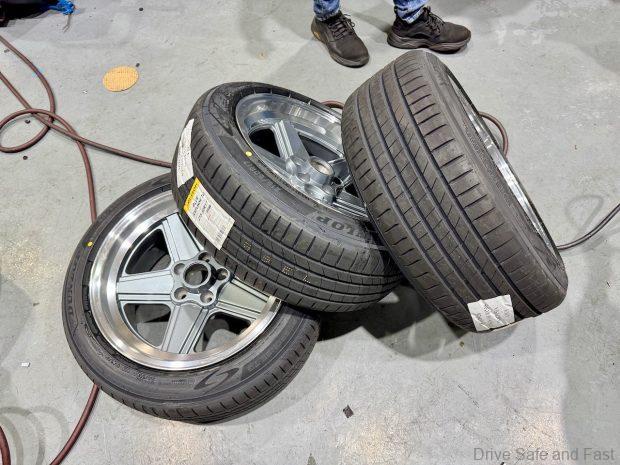
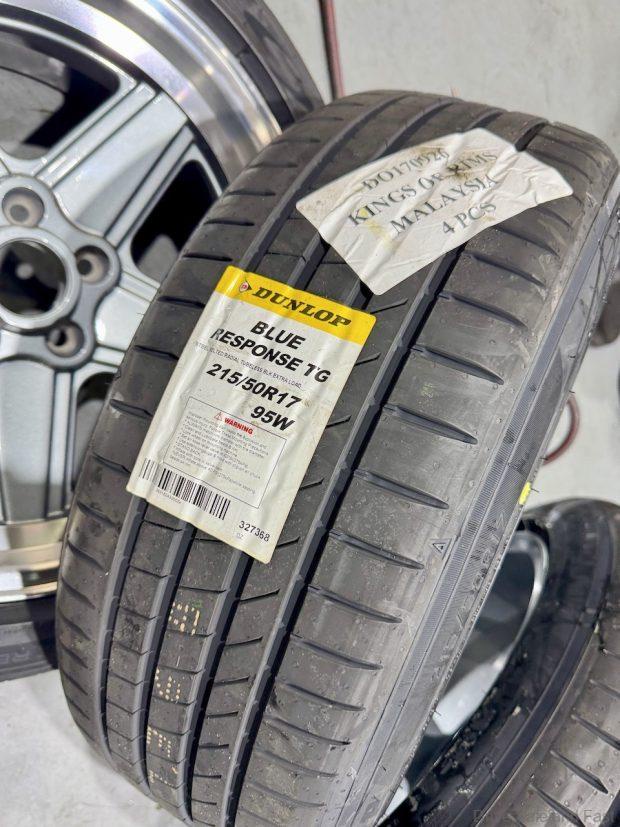
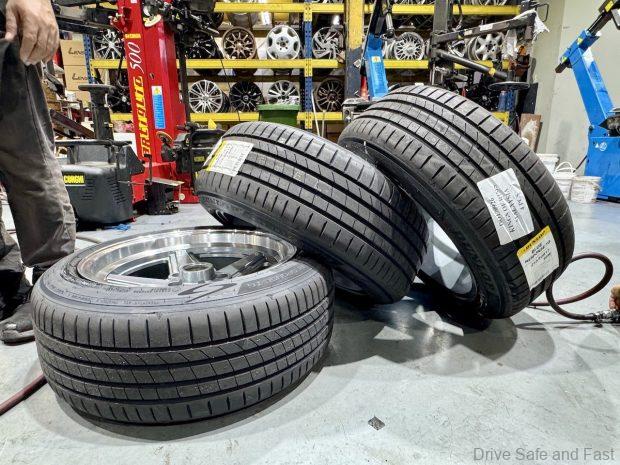
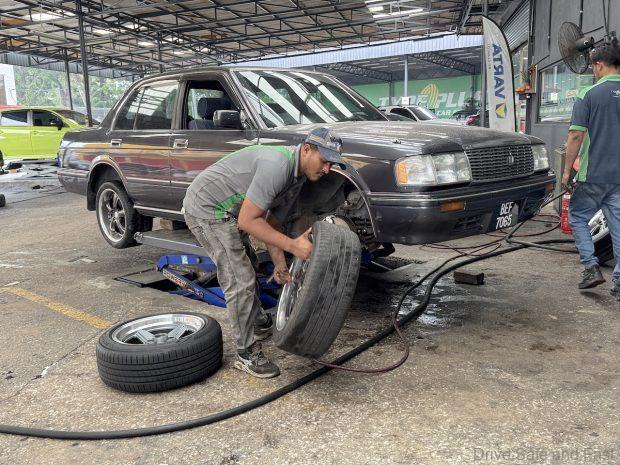
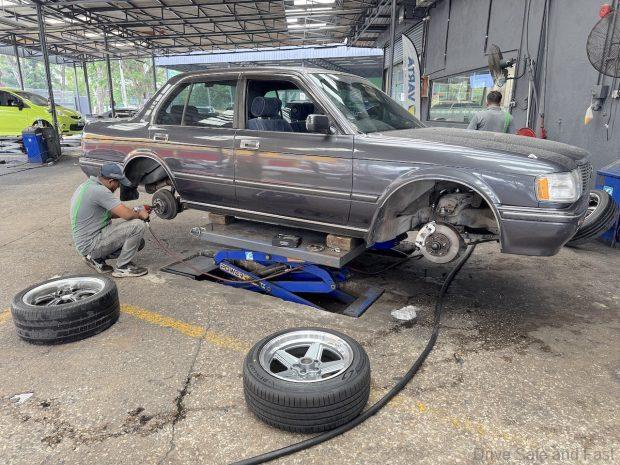
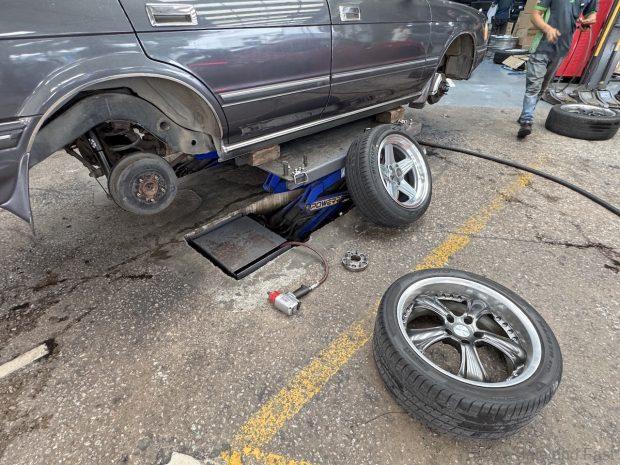
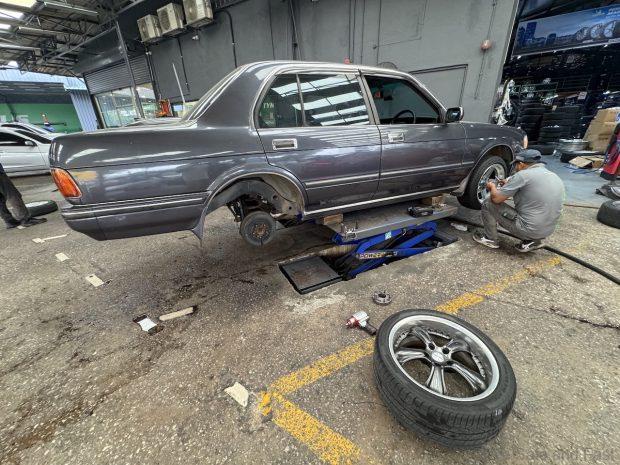
After downsizing to 17-inch wheels from King Of Rims in Shah Alam (it is very difficult to find wheels to suit older Japanese cars) with 50 series Dunlop Blue Response TG rubbers we immediately found our ride much more comfortable and better turning radius.
Downsizing your alloy wheels while switching to higher-profile (thicker) tires is one of the most effective upgrades you can make to restore smooth ride quality on Malaysian roads.
Why Smaller Wheels and Thicker Tires Work
The secret lies in sidewall height. The rubber section between the edge of the rim and the tread acts as your car’s primary air spring, absorbing initial road shocks before forces reach the shocks or chassis.
Superior Shock Absorption: A tall sidewall deforms under impact, dissipating shock energy before it hits your wheel or suspension components.
Rim & Tire Protection: Low-profile tires offer minimal cushion, leaving aluminum rims vulnerable to cracking or bending on deep potholes. Thicker sidewalls protect expensive wheels.
Reduced Road Noise (NVH): Rubber cushions acoustic vibration better than rigid metal rims, noticeably quieting cabin noise on rough tarmac.
Saves Aging Suspensions: Older sedans feature worn bushings, dampers, and ball joints. Higher-profile rubber absorbs micro-vibrations, extending the lifespan of chassis parts.
Cost Savings on Replacement Rubber: High-profile tire sizes (e.g., 16-inch or 17-inch fits) cost significantly less in Malaysia than low-profile 18-inch or 19-inch options.
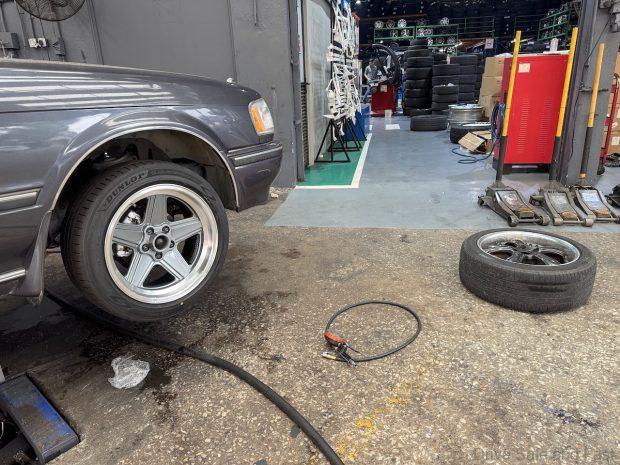
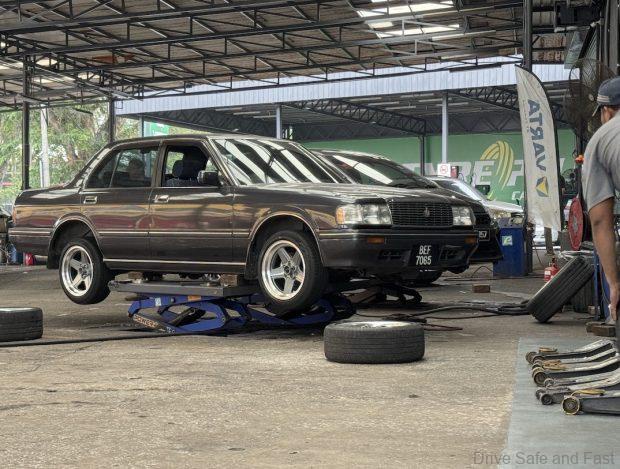
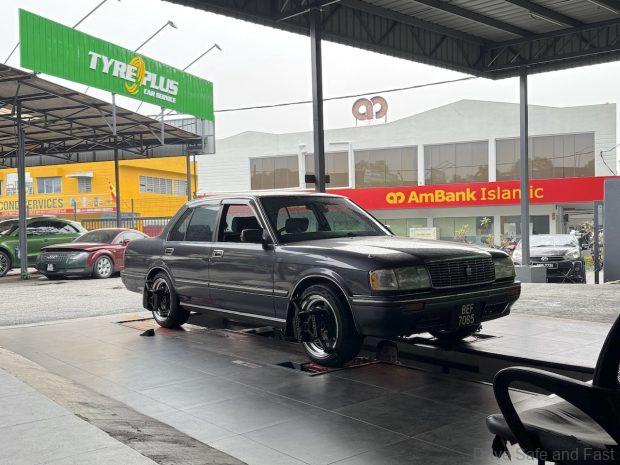
When sizing down wheel diameter, keep the total outer tire diameter within 1.5% to 2% of the original factory specification to ensure speedometers and ABS sensors function correctly.
Crucial Steps Before Downsizing
Check Brake Caliper Clearance: Ensure the smaller alloy wheel inner barrel clears your sedan’s front brake calipers.
Maintain Load Index Rating: Select replacement tires that meet or exceed the original manufacturer’s load capacity rating.
Keep Overall Diameter Equal: Pair smaller wheel diameters with higher aspect ratios (e.g., moving from a 45-series profile to a 60-series profile).
In conclusion, downsizing your alloy wheels and tyres gives aging sedans like this Crown Super Saloon the compliance needed to handle everyday Malaysian road conditions comfortably and reliably.
The post Here Is Why We Downsized The Wheels On Our Classic Toyota Crown first appeared on DSF.my.