_1652931074_9592.jpg)
The Environmental Impact of New Vehicle Transit Wraps: Why Plastic Protection Is Backfiring On Car Manufacturers
Why it is bad for new cars being wrapped in plastic to protect the paint during transport …… well as plastic waste is an increasing issue ….. is there another option for car manufacturers?
When a brand-new car arrives at a dealership, it is often covered in white, adhesive-backed plastic film across the hood, roof, and doors. Known as transit protective film or transport wrap, this single-use plastic is designed to shield pristine paint from rock chips, bird droppings, UV exposure and rail dust during shipment from the factory floor to the buyer.
However, as single-use plastic waste becomes a global environmental crisis, the automotive industry’s heavy reliance on transit wraps is coming under intense scrutiny. Beyond the obvious ecological damage, the practice carries significant hidden drawbacks for both automakers and dealerships.
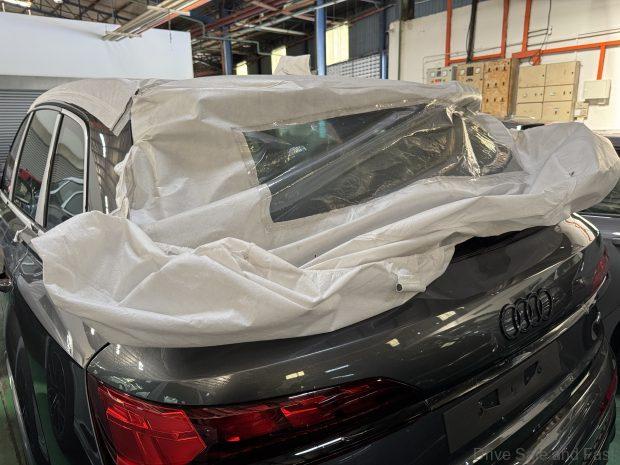
Why Plastic Transit Wraps Are Problematic
1. Millions of Tons of Non-Recyclable Plastic Waste Most transit wraps are made from Low-Density Polyethylene (LDPE) or Polyvinyl Chloride (PVC) combined with strong acrylic adhesives. Because these films are heavily contaminated with adhesives, dirt, and road grime by the time the vehicle reaches its destination, they are almost impossible to recycle standardly. Globally, millions of new vehicles are produced annually, generating thousands of tons of plastic film destined straight for landfills or incinerators after a single trip.
2. The Risk of Paint Damage (The Irony of Transit Film) While designed to protect paint, plastic wraps can actually cause the damage they are meant to prevent:
If a vehicle sits in transport lots or under direct sunlight for too long, the adhesive bakes into the clear coat, leaving a stubborn residue that requires heavy chemical solvents to remove.
Temperature swings during transport cause moisture to get trapped under the impervious plastic barrier. This can lead to chemical reaction stains which is known in the auto industry as “ghosting” or paint haze that require expensive body-shop polishing to fix.
3. Peeling transit wrap off a fleet of vehicles is labor-intensive. Dealership detailers spend hours unwrapping cars, peeling off micro-shreds of plastic, and using harsh bug-and-tar removers to eliminate leftover adhesive, creating additional chemical waste streams.
Eco-Friendly Alternatives for Car Manufacturers
Driven by strict ESG (Environmental, Social, and Governance) targets and consumer demand for sustainability, car manufacturers are actively turning to cleaner alternatives to protect vehicles in transit:
Instead of applying plastic sheets, manufacturers can spray vehicles with temporary, water-based liquid coatings at the factory (Peelable Water-Based Transit Coatings (Liquid Wraps).
These spray-on masks cure into a protective barrier against weather and debris, then wash off effortlessly at the dealership using warm water and pH-neutral solutions, producing no solid film waste.
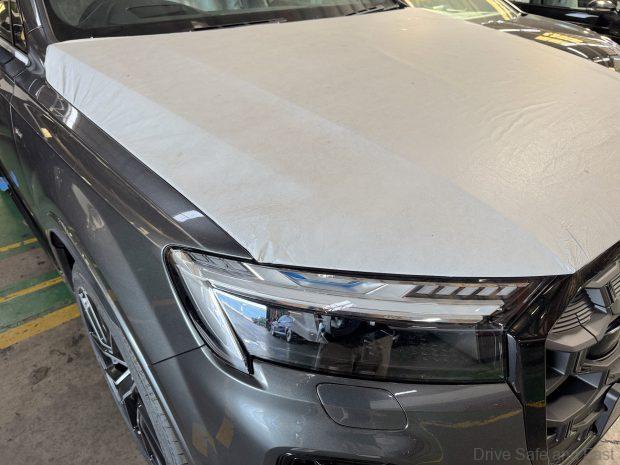
Modern material science has enabled transit films made from Polylactic Acid (PLA) derived from renewable plant sugars (Bio-Based & Compostable Protective Films). These films offer identical scratch protection to traditional polyethylene but break down far more safely in industrial composting facilities.
Used extensively by premium brands, tailored fabric or canvas transit covers protect high-risk panels (Reusable Heavy-Duty Car Covers). Dealers simply remove the covers, fold them, and ship them back to assembly plants via reverse logistics loops to be reused hundreds of times.
Rather than wrapping cars individually to shield them from open-air transport hazards, logistics fleets are shifting toward enclosed vehicle carriers and covered auto-rack railcars. While requiring higher initial transport costs, it completely eliminates the need for single-use body protection.
The Road Ahead
Single-use plastic transport wraps represent an outdated model of quality control that trades temporary convenience for long-term environmental degradation. By embracing water-based liquid masks, bio-based films, and closed-loop reusable transport covers, car manufacturers can protect their vehicles’ finishes while taking a major step toward zero-waste automotive manufacturing.
In conclusion ….. the blame cannot be entirely on the car manufacturer …… the handling of a new vehicle from factory to showroom should be more professional and careful to avoid the slightest mishap and this starts with education of workers at all levels or forwarding and transportation.
The post High Plastic Waste In New Car Transportation Has To End first appeared on DSF.my.