
With Holy Week expected to bring heavier passenger traffic at airports, travelers are being reminded to plan ahead, arrive early, and complete all travel requirements before heading to their flights.
Among those issuing reminders was Cebu Pacific, which urged passengers to check their flight details carefully, allow extra time for airport travel, and complete online procedures in advance to help ensure a smoother journey.
One of the most important steps for passengers is confirming the correct airport terminal indicated on their itinerary and boarding pass, particularly since flight numbers may begin with 5J, DG, or T6. Effective March 29, 2026, all DG and T6 flights operating to and from Ninoy Aquino International Airport Terminal 2 have been transferred to Clark International Airport.
Travelers are also advised to leave earlier than usual for the airport, given the heavier road traffic typically seen during peak travel periods. Passengers should be at the airport at least three hours before departure for domestic flights and four hours before international flights. Check-in counters close 45 minutes before departure for domestic flights and one hour before departure for international flights, while boarding begins 45 minutes before scheduled takeoff.
To avoid long lines, passengers are encouraged to check in online through their airline’s official website or mobile app before going to the airport. Those without check-in baggage may proceed directly to their boarding gates, subject to airline procedures.
For international trips, passengers are likewise advised to complete or update their eTravel forms within 72 hours before departure from and arrival in the Philippines and save the QR code generated at the end of the process. Travelers taking roundtrip international flights must accomplish the form twice — once for departure and again for arrival. They must also complete the Customs Declaration Form before arrival and keep the QR code ready for scanning after baggage claim.
Travelers should also review baggage rules before leaving for the airport.
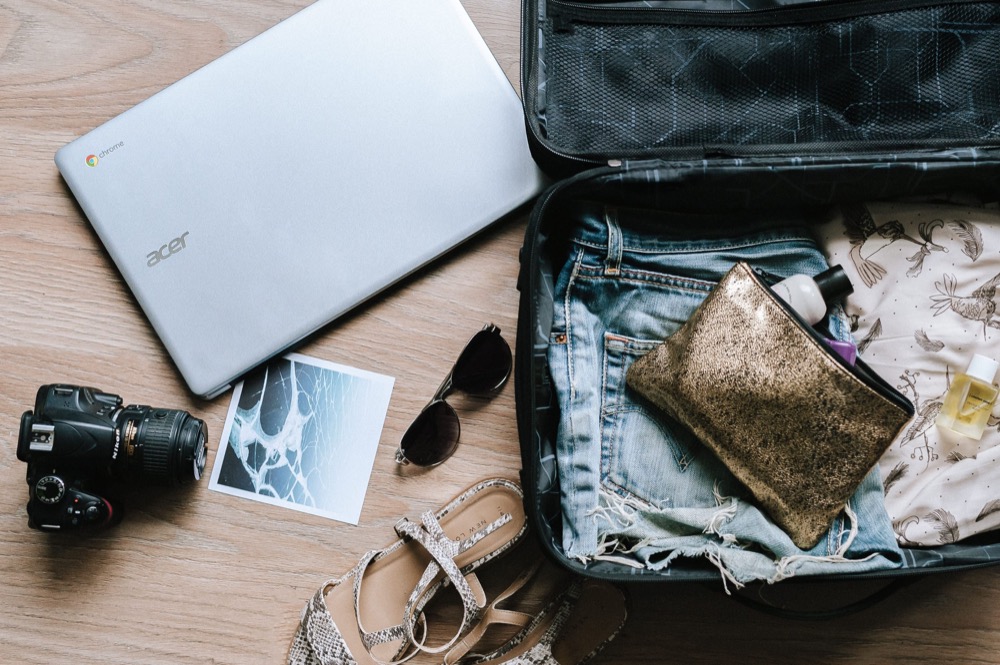
In general, passengers may bring one carry-on bag that fits in the overhead bin and one personal item, such as a purse, small backpack, or laptop bag, that fits under the seat, provided both items stay within the allowed weight and size limits set by the airline. Bags that exceed the permitted size or weight may be charged at the boarding gate. Buying prepaid baggage online ahead of time is also typically cheaper than paying airport rates.
Passengers are further reminded to place portable electronic devices such as phones, laptops, and tablets in their carry-on baggage rather than in checked luggage. Power banks must also be hand-carried and are subject to airline safety rules based on capacity. During flights, these should not be stored in the overhead bin or under the seat, and their use and charging may be restricted.
For flights departing from select domestic airports, travelers may also be required to self-tag their check-in luggage before proceeding to the bag drop counters, while self-bag drop kiosks are available in some major airports. Passengers are likewise encouraged to update their contact details so they can receive flight reminders and other travel advisories.



