
Hong Kong’s health authorities have begun screening for visitors at the airport and ports from Russia after a lab worker died from severe pneumonia of undetermined cause at a plague research laboratory in Siberia.
Hong Kong’s public health agency, Centre for Health Protection (CHP), issued a precautionary alert to strengthen health surveillance at airports and ports for passengers arriving from Russia.
It said they are sending letters to all doctors and hospitals in Hong Kong, urging them to remain highly vigilant and strengthen monitoring.
CHP said the immediate public health risk to Hong Kong was low and there was no evidence of ongoing transmission of the suspected pneumonic plague.
The CHP said it was implementing a “series of preventative measures and will continue to closely monitor the situation, respond swiftly, and strictly prevent imported cases to protect public health.”
The advisory was based on available information and “given the lack of evidence of sustained transmission”, the centre said.
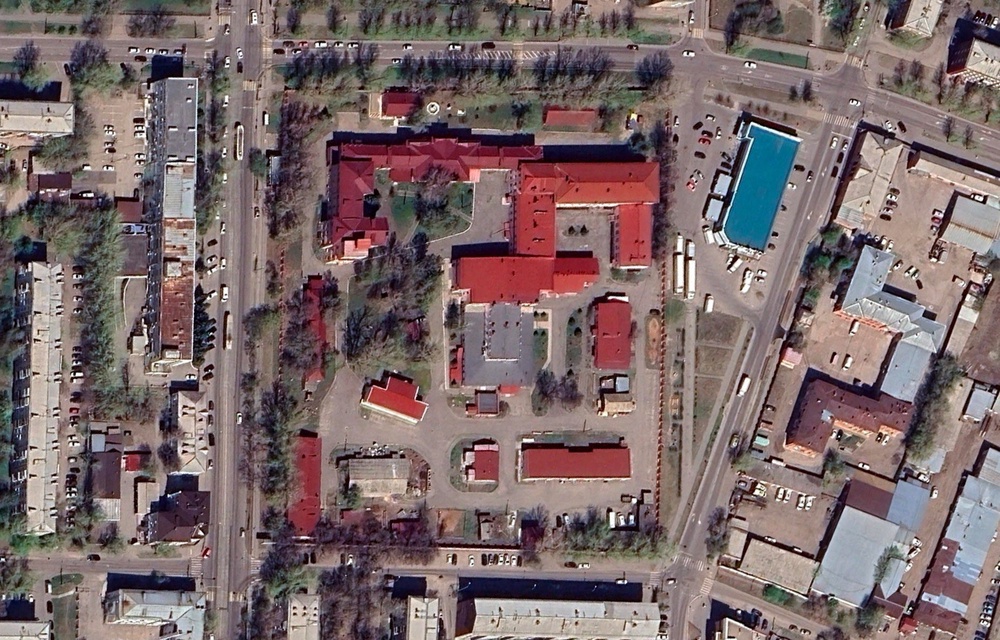
The death of a 28-year-old employee at an anti-plague research centre in Siberia triggered global headlines and concerns over a potential outbreak. Russia has insisted that there is no risk of an endemic.
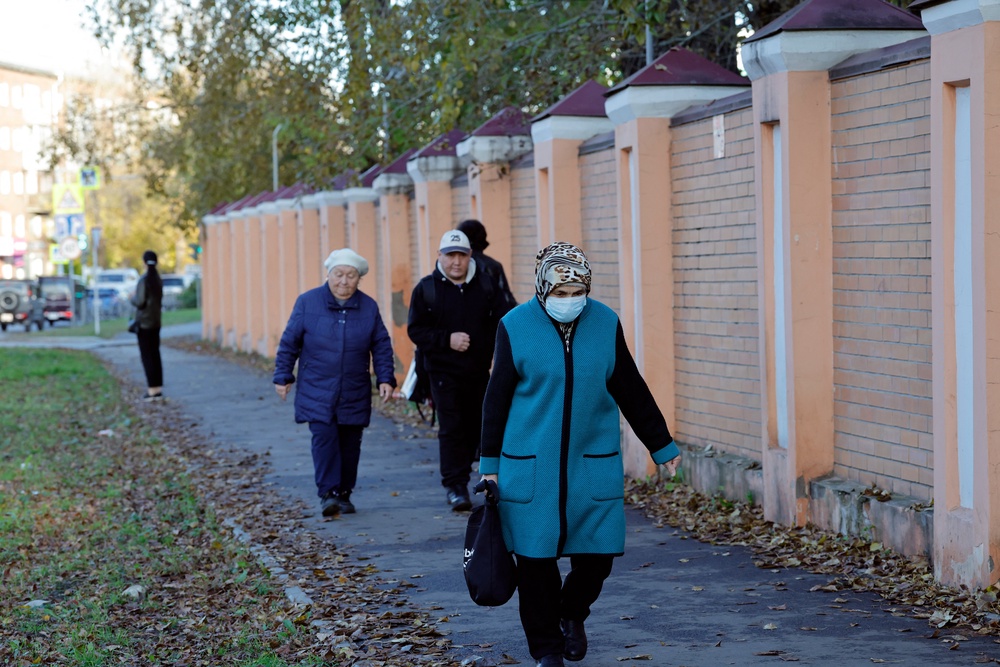
However, 200 people who came into contact with the woman were quarantined, and parts of the hospital in the town of Shelekhov where she died were cordoned off, and an aluminium plant told its workers to wear masks.
Russian officials have not confirmed that the suspected disease is pneumonic plague, a serious lung infection, often described as the most virulent form of plague.
Hong Kong authorities on Monday asked port health officers to conduct temperature checks on passengers at the relevant flight gates and to conduct health assessments on passengers exhibiting symptoms.
The airport arrival area would display notices and make voice announcements appealing to airlines that passengers who have visited Irkutsk Oblast in Siberia, Russia within the past 14 days “should proactively report to on-site health personnel upon arrival” for further health assessment.

“If relevant arriving passengers exhibit pneumonia symptoms, they will be immediately referred to public hospitals for further testing after assessment by port health officers,” it said.
The CHP asked officials to provide Hong Kong Airport Authority and airlines with updates on the Russian case, with airlines urged to ask crew members to strictly implement preventative measures if passengers on flights exhibit fever or symptoms.
Hong Kong authorities said the latest data from WHO and Russia indicate that no cases of plague have been recorded in Irkutsk Oblast recently.
Even the tests on the deceased lab worker’s contacts have not detected any high-threat pathogens, nor have any other severe pneumonia cases related to the case been found.
It comes after Macau introduced similar preventative measures. It urged all travellers to complete an individual health declaration at Macau’s primary border checkpoints.
Taiwan’s premier Cho Jung-tai on Monday said he was “highly concerned” and had instructed the health ministry to maintain close contact with international health organisations and monitor developments.
He called on authorities to enhance monitoring of travel associated with Taiwan's “Mini Three Links”, a direct postal, transportation and trade links between Fujian province on the Chinese mainland and Taiwan-administered offshore islands.
The South Korea Disease Control and Prevention Agency reviewed its response posture.
It concluded that domestic risk remains “low”, with no evidence of sustained transmission, but said Russia could be added to an enhanced quarantine screening list if the risk rises.
Read MoreRussia arrests Japanese journalist and accuses him of spying
Hong Kong hiker dies while hiking near uninhabited historical Hakka village
Bear kills man and seriously injures woman at their home in Mongolia
Why North Korea is at the heart of South Korea’s strange rift with Ukraine
Berlin Marathon cheat apologises after being pictured riding bike during race
Doctors shrink tumour of baby still in womb in major breakthrough