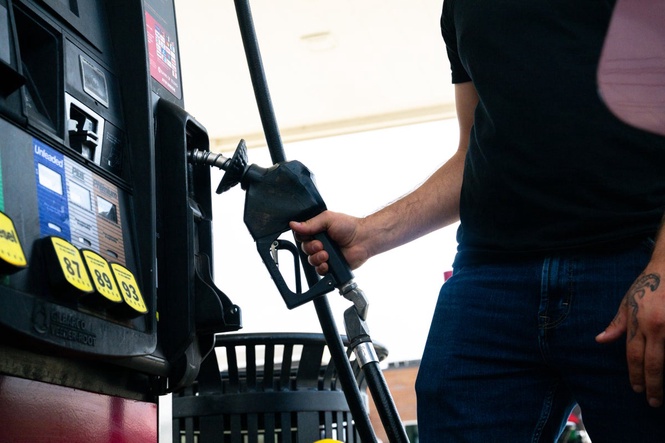
Democrats campaigned hard on lowering prices, especially at the gas pump.
But their success in reclaiming both the House and Senate in the midterm elections is unlikely to translate into quick, meaningful relief for American drivers.
Several obstacles stand in their way: the new Congress won’t convene until January; lawmakers have limited tools to lower fuel prices; and even an abrupt end to the Iran war would not immediately see costs drop, experts say.
Gas prices have soared since the U.S. and Israel launched their war on Iran in February, largely because of the closure of the Strait of Hormuz, a vital oil shipping route. The national average for a gallon of gasoline stood at $4.06 Friday, up from $2.98 two days before the conflict began, according to AAA.
The pressure to bring prices down is clear. Exit polls show that a majority of voters were very concerned about fuel costs when they cast their ballots in the midterms.
Why prices are unlikely to fall immediately
Democrats swept to victory in a string of red states Tuesday, delivering a sharp rebuke to the Trump administration. As of Friday, the party was projected to win 54 Senate seats and 253 House seats, with some races still uncalled.
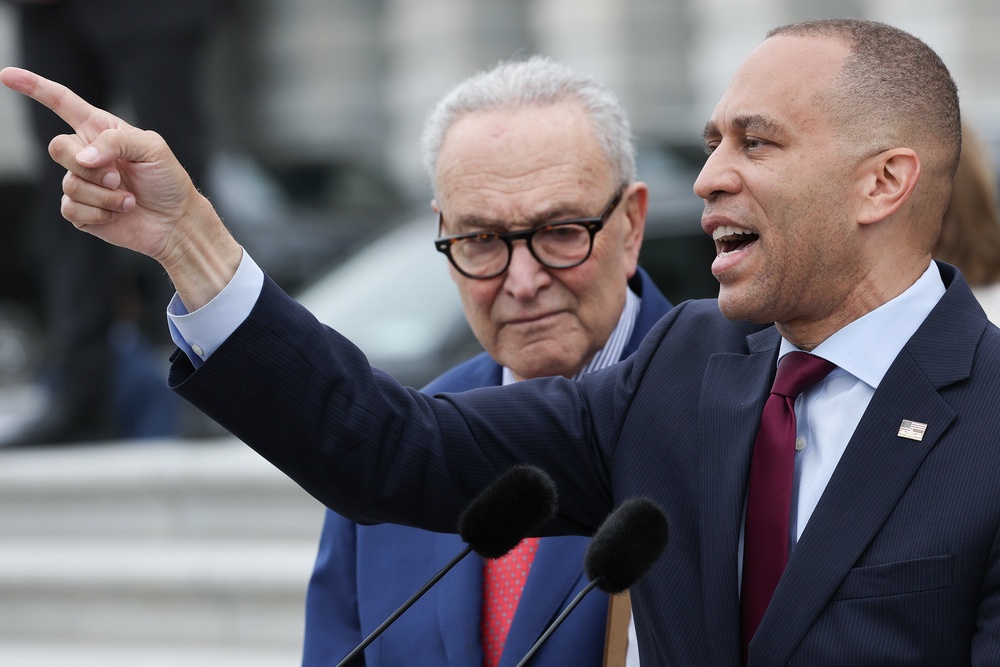
House Minority Leader Hakeem Jeffries and Senate Minority Leader Chuck Schumer — both favorites to become majority leaders — have pledged to bring down gas prices. “Relief is on the way,” Schumer said Wednesday.
But that relief could take time. The new Congress will not be sworn in until January 3, just under two months from now. Lawmakers will then need to choose leaders and finalize committee assignments before turning to their legislative agenda.
Even then, their options for lowering oil prices will be limited, given that these are set by the global market, NPR reported.
Over the past year, the White House has driven most federal efforts to lower prices, including temporarily lifting diesel sanctions on Russia. Republican lawmakers floated several proposals of their own, but intraparty divisions derailed those efforts.
Democrats could also pressure Trump to end the Iran war, which he has acknowledged contributed to his party’s midterm losses. They could seek to cut off funding for the conflict or renew efforts to limit his military authority through war powers resolutions.
But Trump holds the veto power and has vowed to use it. He also has control over military operations and other executive actions that could affect oil supplies.
“ President Trump still retains full discretionary authority over military strikes, over blockades and sanctions, licenses, and so on," Jorge León, head of geopolitical analysis at Rystad Energy, told NPR.
Even an immediate end to the eight-month Iran war would not bring gas prices back to prewar levels overnight.
If traders were convinced the conflict was definitely over, crude oil prices could plunge by as much as $20 a barrel “in the next two, three days from the announcement,” Jaime Brito, executive director of refining and oil markets for Dow Jones Energy, told NPR.
But relief at the pump would take longer. Ships diverted to alternative routes would have to return to their usual journeys through the Strait of Hormuz, potentially creating backlogs. The oil would then need to be refined and the fuel delivered to market.
Jorge León, head of geopolitical analysis at Rystad Energy, told NPR that crude prices could take about six months to return to prewar levels, with gasoline and diesel following another month or two later — assuming the recovery goes smoothly.
Brito offered a shorter timeline, saying gasoline and diesel could return to prewar prices within three months of a ceasefire announcement or peace deal. But he stressed that the outlook was “optimistic.”
“ I don't want to say this, but, you know, expensive gasoline prices could be a new normal,” Brito warned.
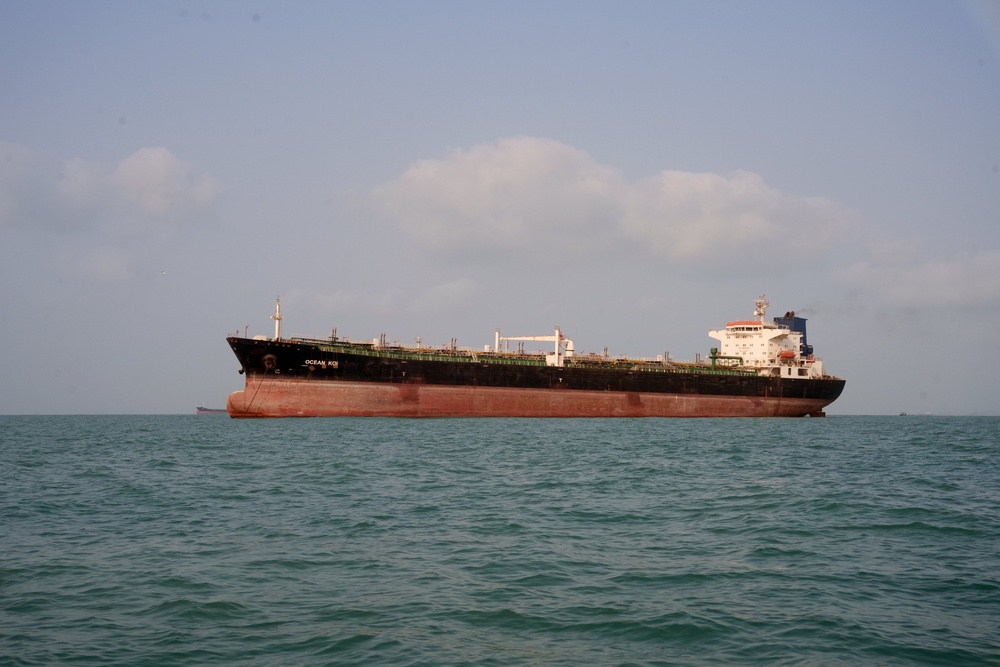
Experts were warning that it could take months for gas prices to return to prewar levels back in May, when a peace deal between the U.S. and Iran was tentatively on the table.
“Even assuming a true and lasting end to the military conflict, it would still be several months before traffic through the Strait of Hormuz returns to its pre-war level,” Rob Smith, an analyst with S&P Global Energy, told Axios at the time.
The reason for the lag is to do with global fuel movements and retail pricing back home, a phenomenon economists refer to as “rockets and feathers.”
When oil prices increase, so do gas prices, which represents the “rocket” part of the analogy. When oil prices drop, gasoline prices follow but drift down at a much slower rate, representing the “feather,” the Federal Reserve Bank of St. Louis explained.
Read MoreGas prices to hit record high on eve of midterms in blow to Trump
Here’s what Trump has done to Americans’ finances — the good, the bad and the ugly
AI saw its worst day on Wall Street after midterms blue wave. Here’s what to know
US sees unexpected jobs boom in October despite Americans' frustration with economy