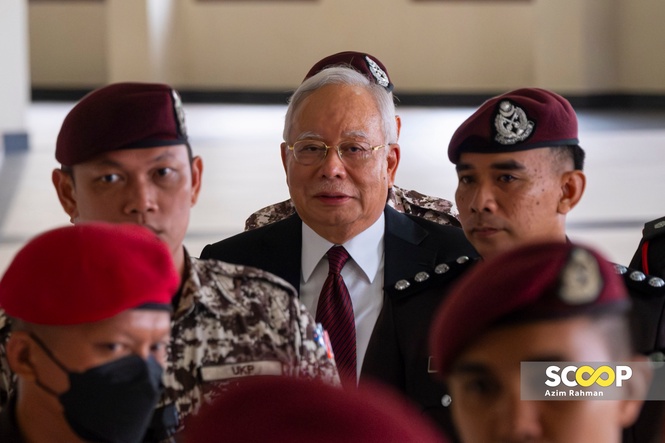
KUALA LUMPUR — Former prime minister Datuk Seri Najib Razak’s conditional royal pardon allowing him to serve the remainder of his sentence under house arrest would appear to have one precedent in Malaysia.
Najib’s lawyer, Tan Sri Muhammad Shafee Abdullah, however, has previously pointed to the case of Kenneth Lee Fook Mun as precedent for a prisoner being allowed to serve the remainder of his sentence at home following a royal order.
Lee, the grandson of former minister Tun H.S. Lee, was convicted of murdering accountant Linda Lee Good Yew.
Kenneth Lee
In January 2025, Shafee told the Trick Lama podcast that Kenneth had initially been sentenced to death before receiving a royal pardon which commuted the sentence to life imprisonment.
“After Kenneth’s mother passed away, his father, who was unwell, had no one to care for him. The final [pardons] order was for house arrest.
“So he is known to be a recipient of a similar addendum order, and he served the balance of his imprisonment from his home,” Shafee said.
Shafee also cited Section 43 of the Prisons Act 1995 and Regulation 111 of the Prisons Regulations 2000 in arguing that existing laws could accommodate house arrest.
Kenneth was convicted over the shooting death of Linda in Jalan Istana Baru, Kuala Lumpur, on Aug 22, 2000.
The High Court had convicted him of culpable homicide not amounting to murder and sentenced him to eight years in prison in 2003. The Court of Appeal later overturned the conviction and found him guilty of murder, imposing the death penalty in March 2005.
The differences between Lee’s case and Najib’s would be the nature of the crime involved—corruption for the latter and murder for the former—and the circumstances for allowing house arrest. Lee had a father who was unwell with no one to care for him, while Najib’s is the result of pressure from his party Umno given his political influential position.
Datuk Mokhtar Hashim
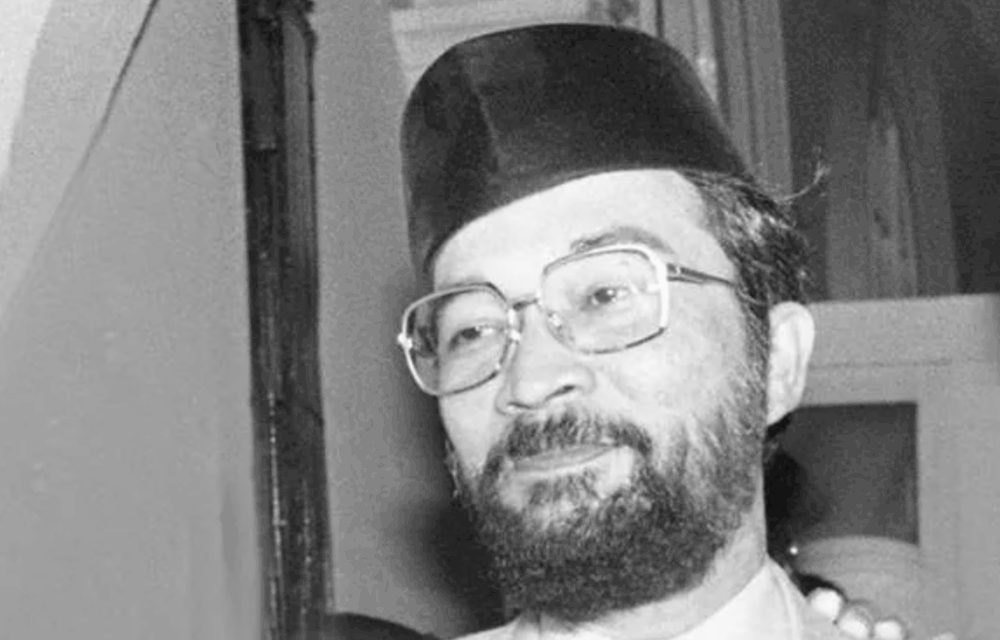
Former Culture, Youth and Sports Minister Datuk Mokhtar Hashim was another prominent politician to receive royal clemency after being convicted of murder, though house arrest was not involved.
Mokhtar was convicted of murdering then Negri Sembilan State Legislative
Assembly Speaker Datuk Mohd Taha Talib, on April 14, 1982, at Kampung Sri Asahan, Gemencheh.
Mokhtar was convicted by the Kuala Lumpur High Court in 1983 and sentenced to death. He maintained his innocence and was the only one among six people originally accused who was convicted.
In March 1984, the Pardons Board, chaired by then Yang di-Pertuan Agong Sultan Ahmad Shah, commuted his death sentence to life imprisonment.
Mokhtar was subsequently released in July 1991 after receiving a royal pardon, having spent about eight years in prison.
Datuk Seri Anwar Ibrahim
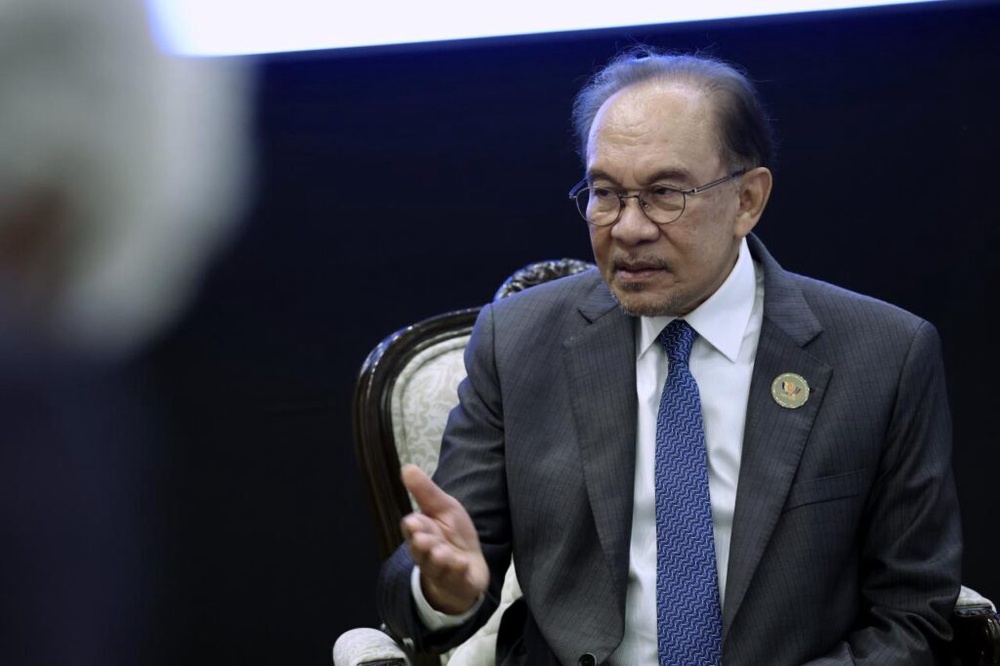
Prime Minister Datuk Seri Anwar Ibrahim is another prominent political figure to have received a royal pardon, releasing him from his sodomy conviction and sentence.
Anwar had been serving a five-year prison sentence after the Federal Court upheld his conviction in 2015.
His pardon was granted on May 16, 2018 by then Yang di-Pertuan Agong Sultan Muhammad V and he was released the same day. The full pardon set aside he 2015 conviction.
The pardon also restored his eligibility to participate in politics, enabling his return to active political life after the 14th General Election.
Datuk Harun Idris
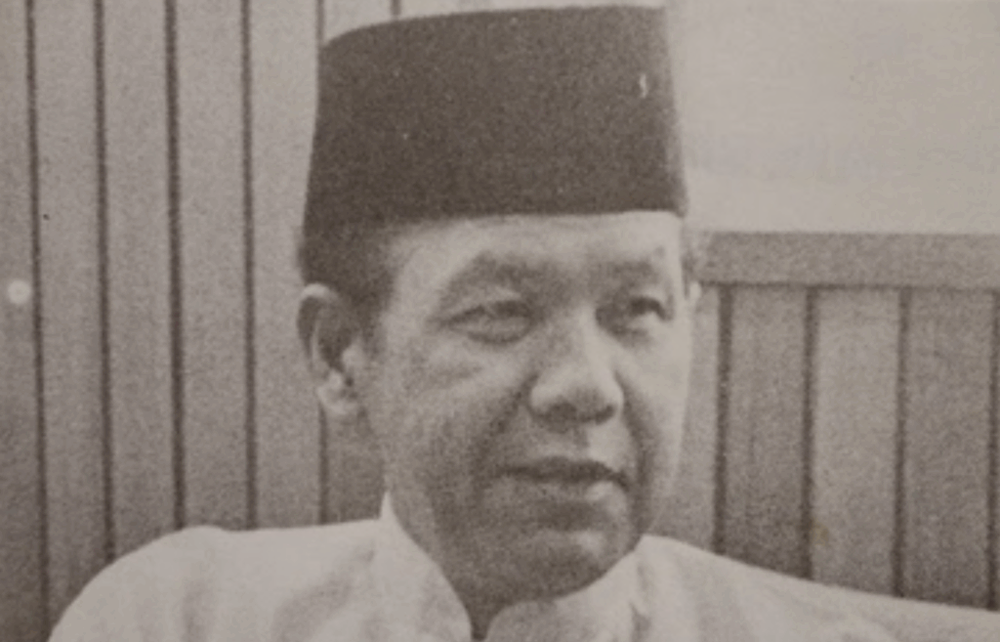
Former Selangor Menteri Besar Datuk Harun Idris had served part of his six-year sentence for corruption when he was granted a royal pardon in 1981.
He had been convicted of embezzlement offences linked to the financing of the 1975 Muhammad Ali-Joe Bugner boxing bout in Kuala Lumpur and matters involving Bank Rakyat.
Lim Kit Siang
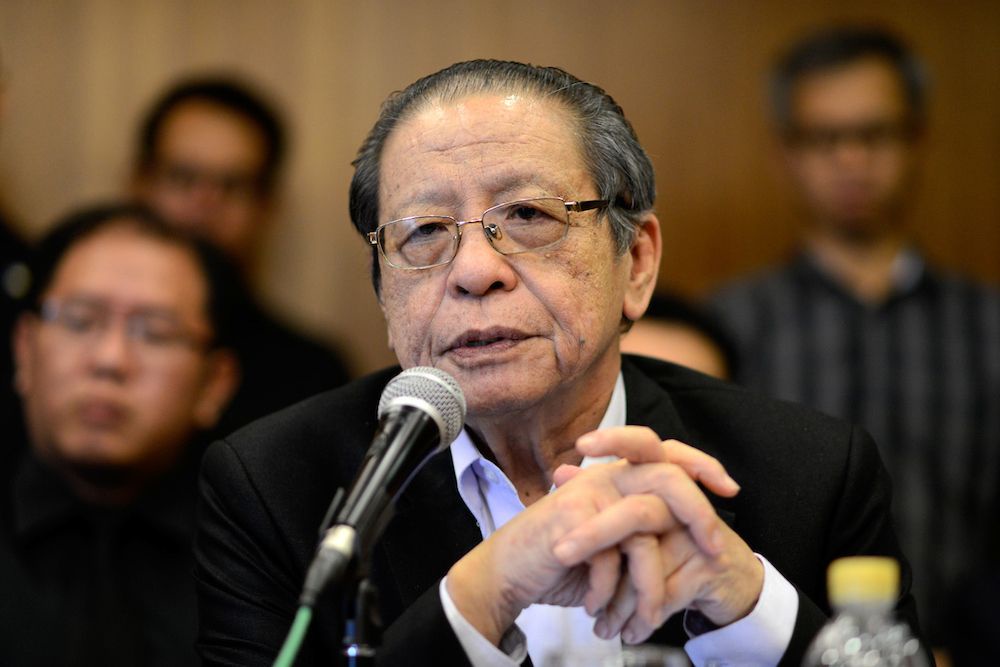
DAP veteran Lim Kit Siang also received a royal pardon, although unlike others, he had no criminal convictions nor was he imprisoned.
Lim had won the Bandar Melaka parliamentary seat in the 1969 general election but the result was voided due to a technical error over improper paperwork submitted.
Then prime minister Tun Abdul Razak Hussein moved a motion in Parliament to allow Lim to seek a royal pardon from the Yang di-Pertuan Agong, which was granted, thus allowing him to remain as the Bandar Melaka MP.
Royal clemency in Malaysia has thus been granted in different forms, from the commutation of death sentences and early release from prison to full pardons.
House arrest in Najib’s case, however, is considered by some as falling under the King’s royal prerogative, as it was ordered by His Majesty as chair of the Federal Territories Pardons Board; yet it remains without a legal framework.
Home Minister Datuk Seri Saifuddin Nasution has reiterated that Malaysia has no legislation regarding house arrest. The cabinet, however, has agreed in principle to drafting a bill on the matter, more for the purpose of dealing with overcrowding in prisons.
Najib’s conditional pardon will allows him to serve the remainder of his SRC International sentence under house arrest until Aug 23, 2028, provided he pays a RM50 million fine.
He has, to date, served four years at Kajang Prison for corruption involving RM42 million of SRC International funds. In January 2024, the same pardons board halved his original prison sentence of 12 years and lowered the court’s RM210 million fine to RM50 million. - September 21, 2026
The post House arrest and royal pardons in Malaysia: are there precedents? appeared first on Scoop.