

As the holder of the ASEAN chairmanship key for 2025, the world's lens will focus on Malaysia, highlighting the nation's wisdom in leading the future of its Southeast Asian counterparts. Anwar Ibrahim, as Prime Minister, will lead the ASEAN agenda discussions throughout the year.
Kuala Lumpur will once again witness any conventions that will be achieved. Interestingly, Anwar Ibrahim, as the ASEAN 2025 Chairman, has appointed Thaksin Shinawatra as his personal advisor, citing Malaysia's need for a statesman like Thaksin to share his expertise and ideas with Anwar on regional issues.
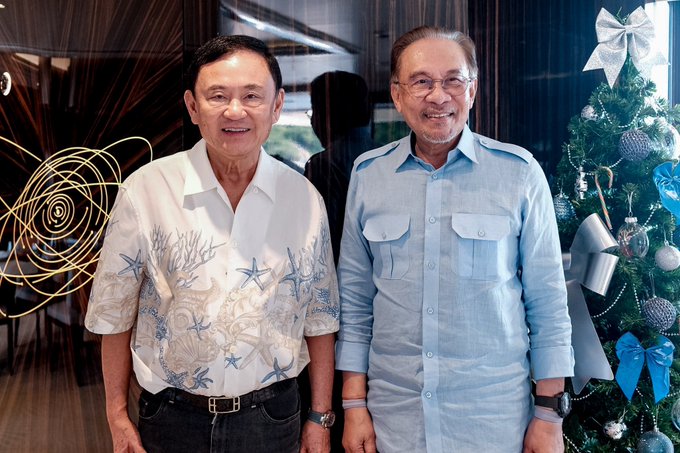
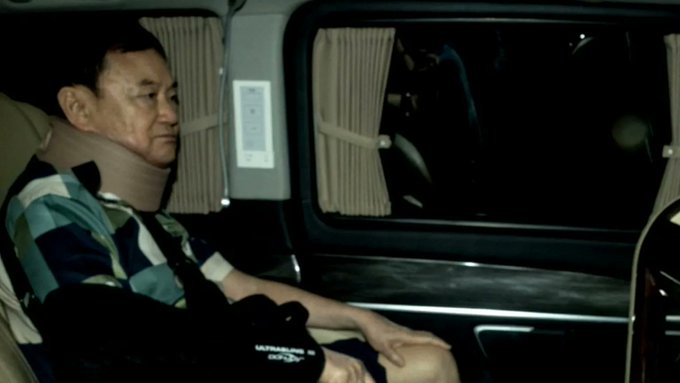
Thaksin, who returned to Thailand after 15 years abroad, is the father of Thailand's new Prime Minister, Paetongtarn. After his daughter became Prime Minister, Thaksin managed to get a reduction in his sentence from King Maha Vajiralongkorn for crimes including misuse of power, financial mismanagement, and corruption from 2008.
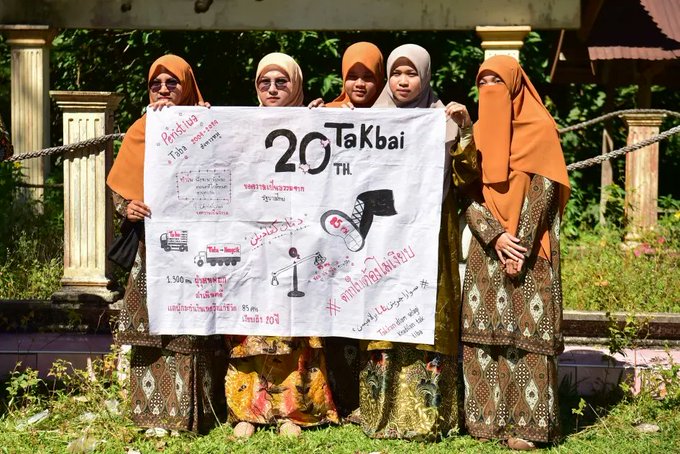
Anwar's appointment of Thaksin came after a court freed seven defendants, including a former MP from Thaksin's party, involved in the Tak Bai incident which claimed 85 Muslim lives in southern Thailand in 2004.
Recently, Anwar discussed peace efforts in Southern Thailand with Thaksin, questioning how Thaksin could contribute to these efforts. When Thaksin was ousted through yellow-shirt protests in 2006, Anwar's supporters drew inspiration for similar success in Malaysia through the Clean and Fair Election Coalition (BERSIH), also wearing yellow shirts.
Anwar Ibrahim's decision to appoint Thaksin Shinawatra as an advisor raises significant ethical and political questions. By bringing Thaksin into his fold, Anwar potentially undermines Malaysia's moral standing by associating with a figure convicted of corruption and abuse of power.
This move can be seen as a compromise of integrity for political gain, especially considering Thaksin's controversial past and his recent political rehabilitation in Thailand, which lacks transparency and justice. Anwar's strategy could be interpreted as prioritizing regional political alliances over domestic integrity and international perception, which might erode public trust in his leadership.
Furthermore, the timing of Thaksin's appointment following the release of those involved in the Tak Bai incident suggests a possible political maneuver rather than a genuine effort towards peace, potentially alienating victims' families and human rights advocates.
Anwar's reliance on Thaksin's experience might neglect the voices of local leaders and grassroots movements within ASEAN, focusing instead on elite diplomacy which might not resonate with the broader populace's needs.
This approach could weaken ASEAN's collective resolve and unity, particularly when facing external pressures like those from China or internal conflicts like in Myanmar. Anwar must reconsider his alliances to ensure they align with the principles of justice, transparency, and regional solidarity, rather than risking Malaysia's, and by extension, ASEAN's credibility on the international stage
Amir Al Fateh is a content creator under the Newswav Creator programme, where you get to express yourself, be a citizen journalist, and at the same time monetize your content & reach millions of users on Newswav. Log in to creator.newswav.com and become a Newswav Creator now!
The User Content (as defined on Newswav Terms of Use) above including the views expressed and media (pictures, videos, citations etc) were submitted & posted by the author. Newswav is solely an aggregation platform that hosts the User Content. If you have any questions about the content, copyright or other issues of the work, please contact Newswav.

