On an almost daily basis, major brands seem to be getting hit by huge hacks. It is easy to feel helpless, and really there is little that customers can do about the attacks themselves – but plenty you can do to limit the danger they pose.
In recent weeks, everyone from the owner of Hobbs to Asos have been caught up in high-profile cyber attacks, and many other major brands have been hit in recent times. In many of those hacks, customers’ personal information has been put at risk, meaning that the danger is not just for the companies or their employees but potentially anyone who has shopped with them in the past.
That is somewhat inevitable. Shopping online necessarily means handing over important personal and financial data to companies, at which point it is largely out of our hands and at the mercy of any cyber criminal who manages to break into them.
There is plenty the companies themselves can do to stop these attacks, such as working to ensure that their systems are as secure as possible, and they very often do. But the recent cyber attacks have shown that it is an ongoing fight, and that even trusted and reliable brands can be broken into with just one security error or clever hack.
How to protect yourself from cyber attacks
As such, the first thing to do is to proceed on that basis, being vigilant about the kinds of information you hand over and to whom, and trying to limit it as much as possible. If companies don’t have your data in the first place, then it cannot be stolen.
Use different passwords
Perhaps the easiest way to do this is to use different passwords on websites, which is relatively easy thanks to the wide array of password manager tools that are built into browsers such as Safari and Chrome. They will also generate a secure password for a given website, ensuring that it is unique.
That means that if a hacker does manage to get hold of your logins for one website, for instance, then they will not be able to use it elsewhere. These cyber attacks – known as “credential stuffing” – are a common and easy trick for criminals, who can for instance steal a password for a relatively unimportant website and then use it to break into another much more important one.
Be wary of suspicious messages
The same vigilance applies to the kinds of communications you might receive online. Cyber attacks might give hackers seemingly relatively innocent but actually very useful information – that you shop at a certain website, for instance – and then use that to send messages that claim to be from that company, perhaps asking you to log in.
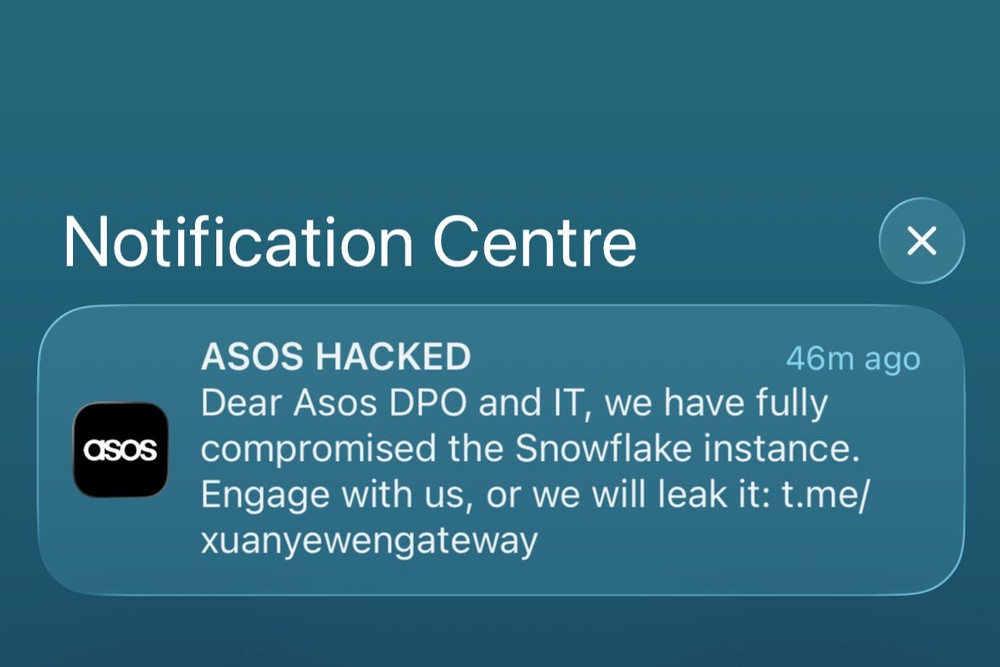
As such, experts advise checking even genuine-seeming emails or messages that might come from a website, and never clicking through an unconfirmed link to reset a password, for instance. In cases where you are not sure, it is best simply to just use a known contact number for a given company and check whether it is really them trying to send you a message.
Check your bank and online accounts
And it is generally a good idea to keep an eye out for any indications that hackers might have been successful, and actually broken into your accounts. That includes unusual activity in your online services, for instance, or unexpected financial transactions – both of which should be reported immediately.
Read MoreFears French supermarket hack could lead to targeting of home appliances
Anthropic lays out terrifying vision of how AI could go wrong